
The right gear for drinking water
Pumps to clear sludge, scrubbing to remove biofilm, and disinfectant meant for potable storage.
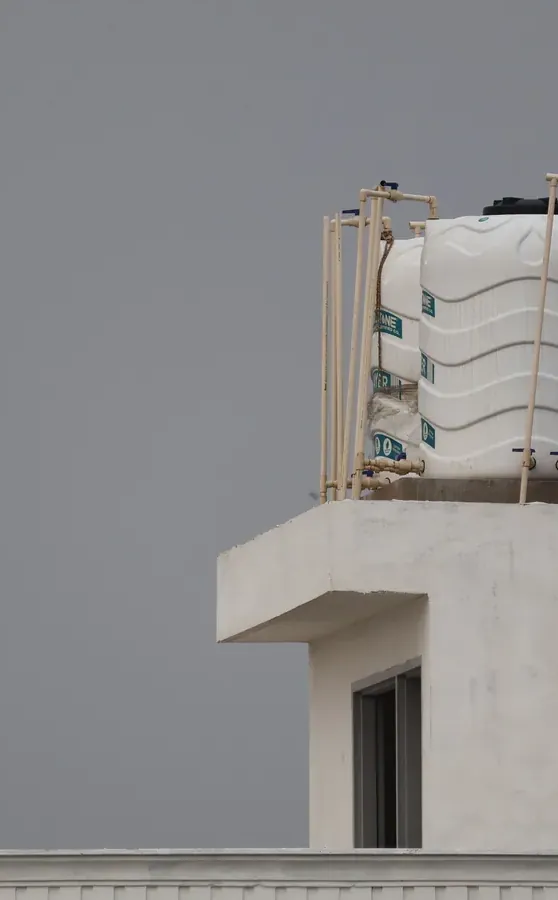
Al Majid is a small residential district in east Jeddah towards Asfan, with villas, apartments and a few simple shops scattered between the wadi and the road. Tanks here are affected by old cement floors and old pipework that sheds sediment into the water, and the simple piping network needs inspection while cleaning is underway.
Tanks here are usually paired with old pipes that leave rust marks in the water, and cleaning alone is not enough without checking the entire network. For the method itself, see the full water tank cleaning page.
Al Majid is relatively old and metal pipes here are corroded with age. Water draws rust particles from the pipes and deposits them in the tank, so the water runs grey even if the tank itself is clean. Pipe inspection is essential and must happen.
Villas and houses in the district have old cement or worn ceramic floors that pull sand and street dust in easily. Drains and pipes carry all of it to the tank, so the floor has a thick layer of sand and rust sediment together.
Al Majid is small and old pipework is not uniform, so each villa has its own old system. This means the tank operates under uneven pressure and sediment settles faster at certain times of day.
Al Majid is near Wadi Al Ghawla and Asfan Road, a small district with slow development and older infrastructure.
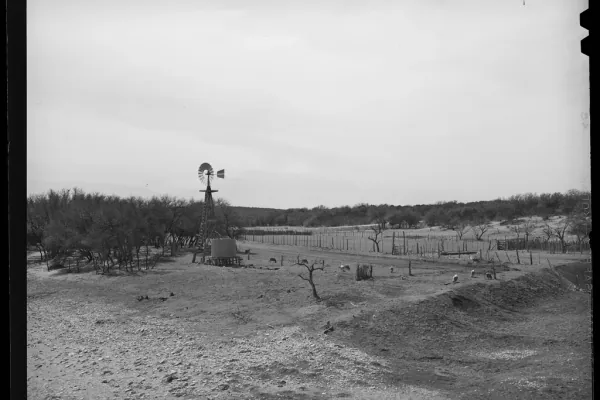
Inspection of the old tank in Al Majid includes checking for leaks and examining the wall condition from inside, because old metal tanks may be very thin.
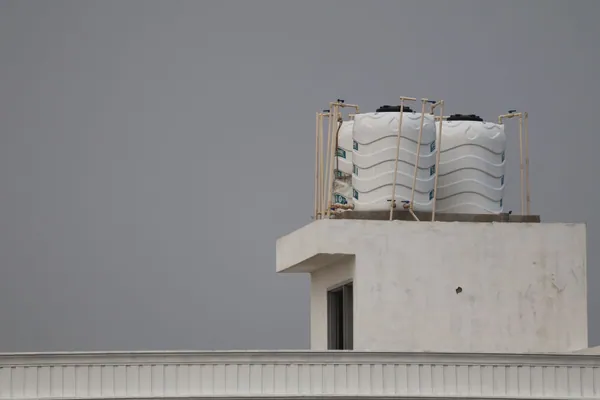
Full drainage is essential because sediment here is thick and mixed with sand from old pipes.
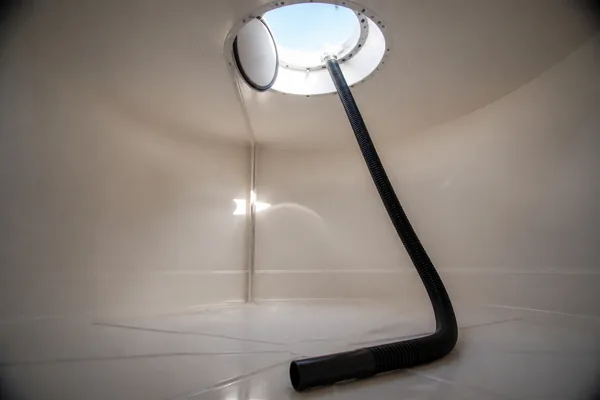
Sediment is vacuumed gently rather than blasted with high pressure, because fine sand may cling to tank walls.
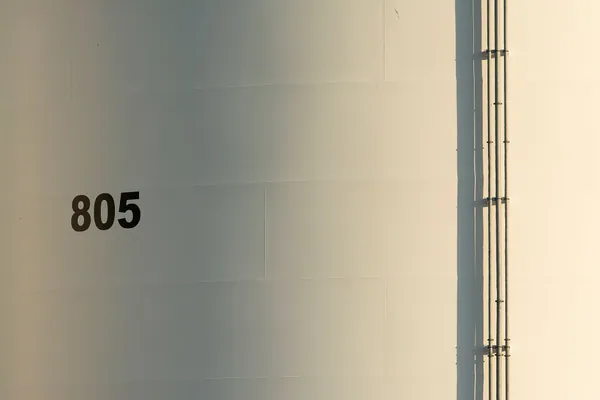
Manual scrubbing reaches the sand and rust stuck on the floor and corners, and we clean every trace before disinfection.
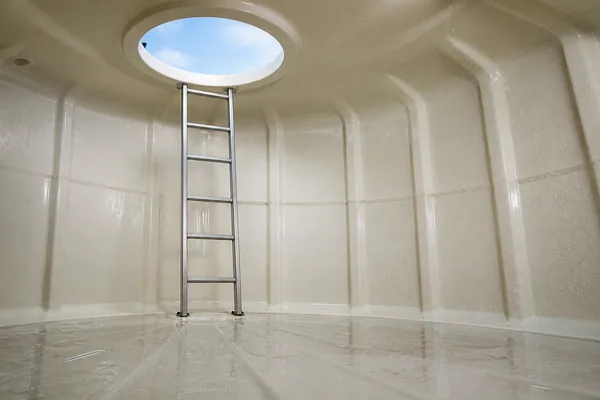
Disinfection clears the tank of rust and algae but does not stop new rust being brought in by the pipes.
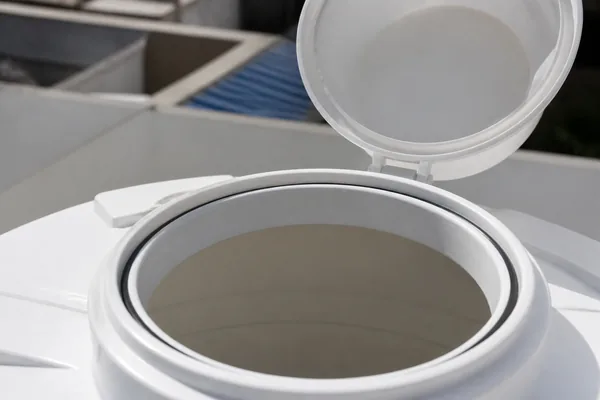
Final inspection of the lid and seal is important, and we recommend a maintenance specialist check the pipes after cleaning if the water has not cleared from grey.
The supply into the tank is shut and the tank is drained completely.
The sludge on the floor is scooped and pumped out first.
The biofilm on the walls is physically scrubbed off.
With the walls and floor clean, a disinfectant made for drinking-water storage is applied and given time to act on every surface.
The disinfectant and any loosened residue are rinsed down and pumped out, so the first tank of water after us is not carrying it.
We check the cover seal and inlet before refilling, so dust and insects stay out, then start the refill while you watch it run clear.
Pumps to clear sludge, scrubbing to remove biofilm, and disinfectant meant for potable storage.
We send a team, not one person, so a tank is drained, cleaned, disinfected and refilled in a single visit rather than left open for days.
We look at the lid seal and inlet, because a tank that got dirty fast usually has a way in.
Nothing is closed until the tank is refilling and you have seen the water run clean.
Photographs from real jobs carried out by the crew.












The commitment is simple enough to actually keep: we do not leave until the tank is disinfected, refilling, and you have seen it for yourself.
Mixed district: shops at street level with homes above them
Shops and villas together in a small district mean the tank serves different uses and uneven demand, so cleaning requires quick understanding of how water is used before work starts.
We provide these in Al Majid too, and more than one can share a single visit.



