
The right gear for drinking water
Pumps to clear sludge, scrubbing to remove biofilm, and disinfectant meant for potable storage.
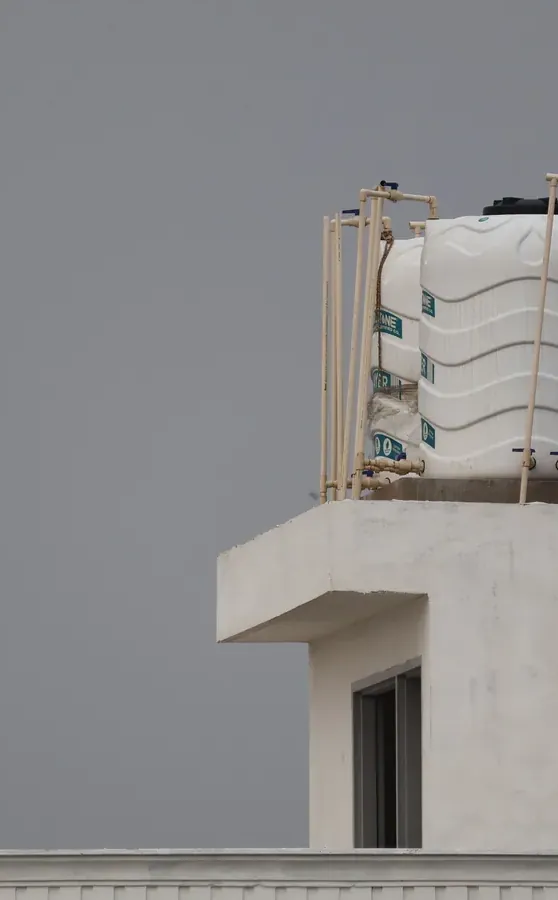
Al Rahmaniyah is a recently built district in north Jeddah between Al Furusiyah and Al Salihiyah, stretched along Al Furusiyah Street with new villas, apartments and small commercial plots. Most tanks here are modern, but the district lies in east Jeddah far from the sea and closest to open ground. Dry coarse dust from the desert and hills drifts under doors and settles on every surface, and tank sediment here is dry grey powder instead of the oily soot or salt spray of other areas.
Dry coarse dust from open ground and hills seeps under villa and flat doors and settles on every surface, so tanks collect dry grey powder instead of the coastal moisture or industrial grit found elsewhere. For the method itself, see our water tank cleaning service in detail.
East Jeddah lies closest to open ground and the hills beyond the ring roads. Dust here is dry, coarse and pale, very different from coastal areas. It enters tanks easily and accumulates as a grey dry layer on the floor and walls.
Most homes here are recently built with new supply lines and fittings, so rust stains and heavy lime scale from decades of age do not exist. Cleaning is simpler and quicker here without years of stubborn deposits.
The new district has both apartments and small shops, and Al Furusiyah Street is a main road bringing more dust than side streets. Exposed rooftop tanks collect this dust quickly.
A recently built district in north Jeddah along Al Furusiyah Street between Al Salihiyah and other newer residential areas, with modern villas and apartment buildings and small commercial units on the main roads.
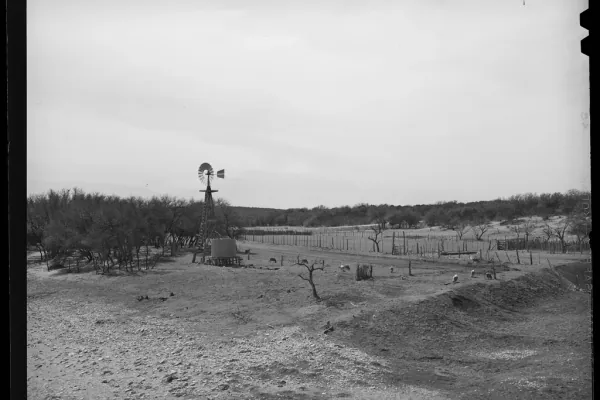
The team inspects the tank and assesses the amount of dry sand sediment, and checks the lid condition and modern fittings.
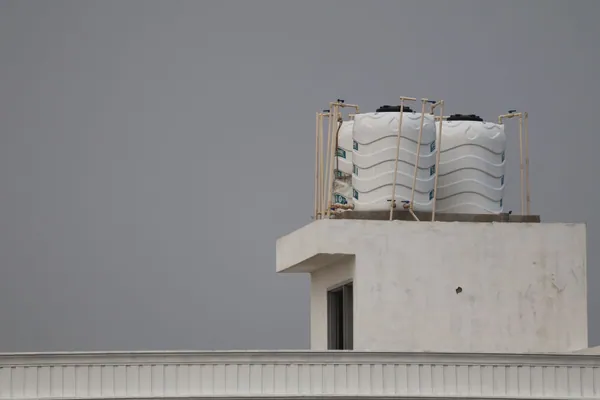
Drainage takes less time here because tanks are new and water is cleaner than in older districts.
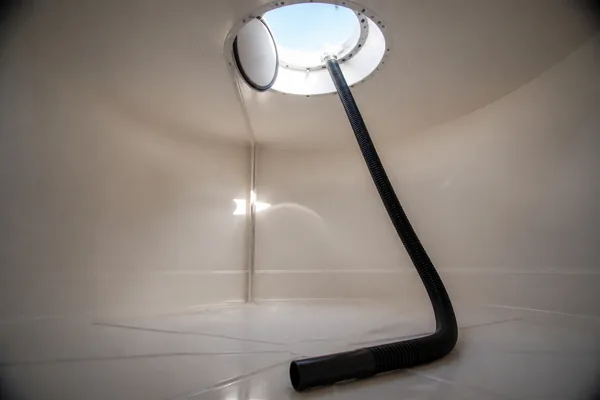
Sediment vacuuming focuses on removing the dry grey powder from the tank floor.
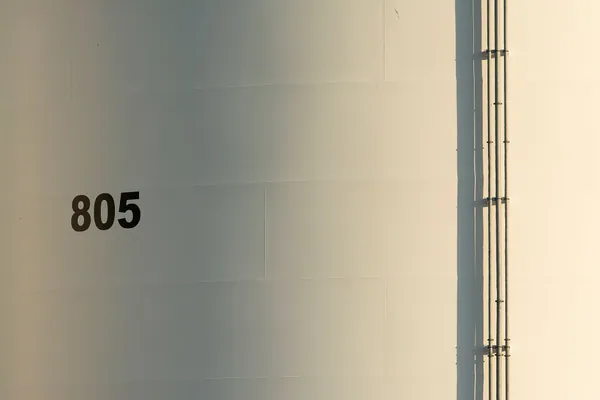
Scrubbing covers all walls to clear any clinging dust, with attention to corners and edges where dust settles.
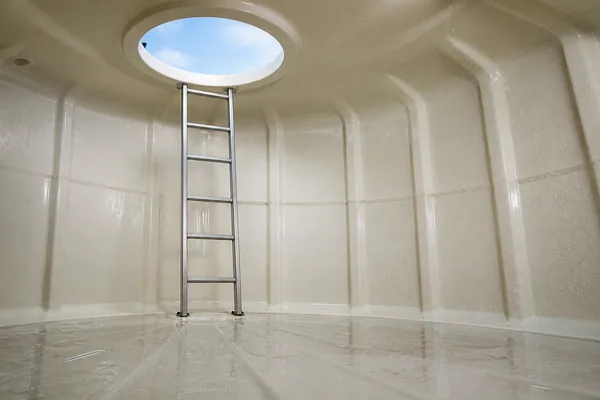
Disinfection follows complete cleaning and prevents bacterial growth on interior surfaces.
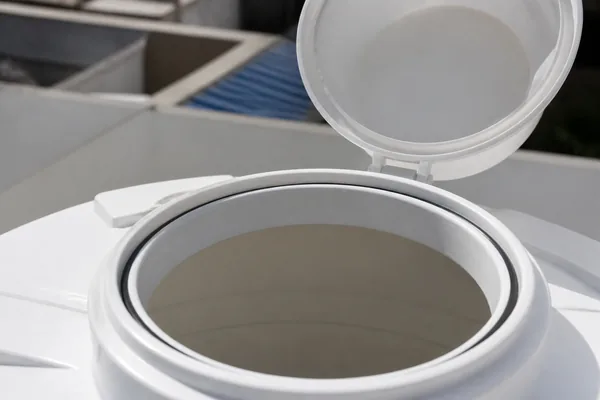
Final rinsing ensures all dust is cleared, and the lid is checked to confirm it seals completely against dust ingress.
The supply into the tank is shut and the tank is drained completely.
The sludge on the floor is scooped and pumped out first.
The biofilm on the walls is physically scrubbed off.
With the walls and floor clean, a disinfectant made for drinking-water storage is applied and given time to act on every surface.
The disinfectant and any loosened residue are rinsed down and pumped out, so the first tank of water after us is not carrying it.
We check the cover seal and inlet before refilling, so dust and insects stay out, then start the refill while you watch it run clear.
Pumps to clear sludge, scrubbing to remove biofilm, and disinfectant meant for potable storage.
We send a team, not one person, so a tank is drained, cleaned, disinfected and refilled in a single visit rather than left open for days.
We look at the lid seal and inlet, because a tank that got dirty fast usually has a way in.
Nothing is closed until the tank is refilling and you have seen the water run clean.
Photographs from real jobs carried out by the crew.












The commitment is simple enough to actually keep: we do not leave until the tank is disinfected, refilling, and you have seen it for yourself.
Tanks in Al Rahmaniyah sit on rooftops near Al Furusiyah Street and Bilal bin Rabah Mosque, and the team reaches them directly via the named streets running through the district.
We provide these in Al Rahmaniyah too, and more than one can share a single visit.



