
The right gear for drinking water
Pumps to clear sludge, scrubbing to remove biofilm, and disinfectant meant for potable storage.
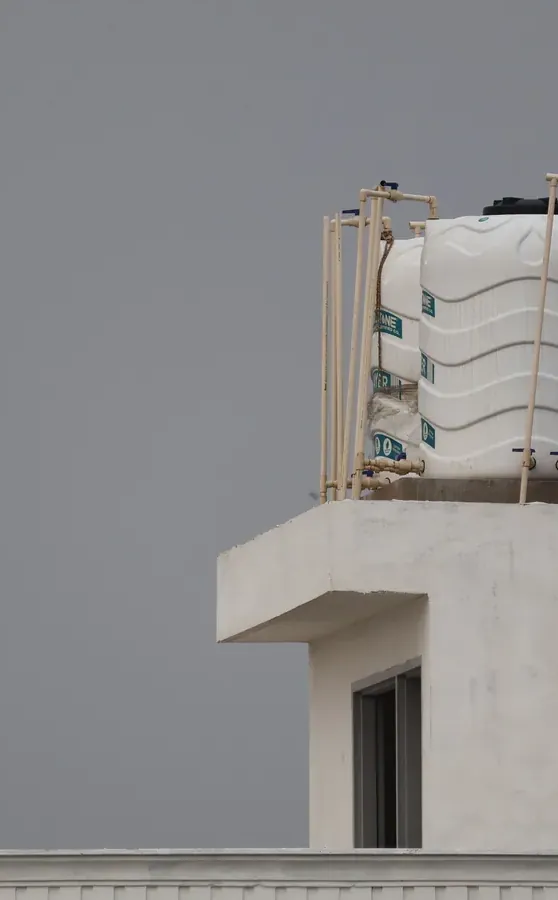
Water tanks in Al Bahr reflect the age of the district itself. Buildings stand close together, and pipework is very old, carrying water through hidden ducts that have gathered scale for decades. Rust marks stain the basins and heavy lime deposits cling to every tap. The tank here does not work alone; it is part of an ancient network shared by multiple households.
Sediment in Al Bahr tanks is thicker and harder than in new districts: water that has sat stagnant leaves doubled layers of scale and rust on every wall and the entire floor. For the method itself, see our guide to water tank cleaning.
Metal pipework in heritage buildings in Al Bahr delivers rust particles into the tank on an ongoing basis. Even after cleaning, water flowing through these corroded pipes carries fine metal particles. Cleaning alone cannot solve the problem if the pipes themselves are severely deteriorated and breaking down inside the walls.
In Al Bahr, several families may share a single rooftop or building tank. When we drain it, water stops for all units at once. Communicating with every neighbour and securing approval from all households is far more complex than in modern districts where tanks serve single properties.
Water stored for years leaves thick layers of mineral scale and rust stains on walls and floor. Scrubbing these deposits requires extra effort and sometimes specialist treatment. Very old tanks in Al Bahr may need soaking before aggressive scrubbing to loosen scale without damaging the structure.
Historic homes in Al Bahr often share a single water tank, and metal pipework buried within old walls carries decades of mineral deposits and corrosion products from hard water.
Tank inspection in Al Bahr focuses on seal failures and small cracks: polluted air from an old rooftop can enter easily through even tiny gaps in the structure and around the lid.
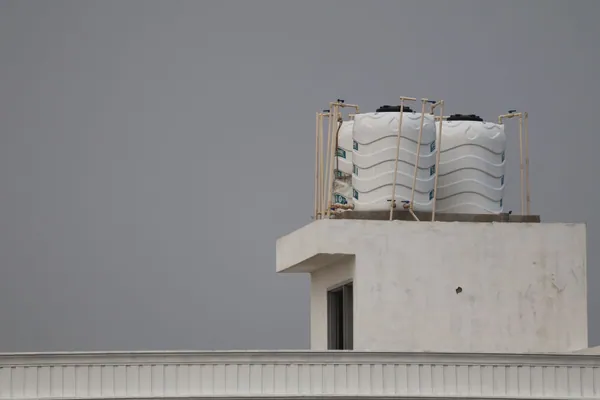
Full drainage requires coordination with neighbours who may not know you: we confirm agreement from all households and their cooperation before cutting water to the entire building.
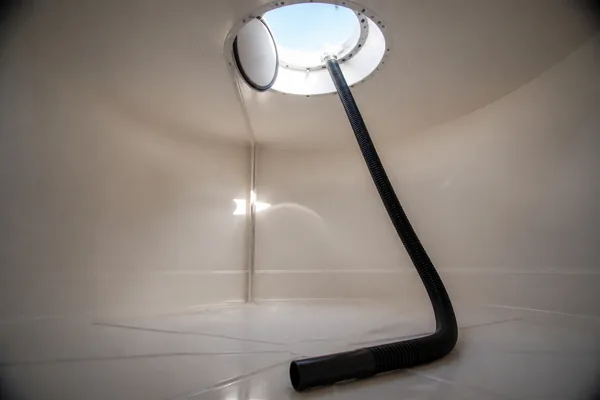
Sediment here is harder to remove: doubled layers of lime scale and rust require extra time and effort to lift from the floor and every corner without leaving traces.
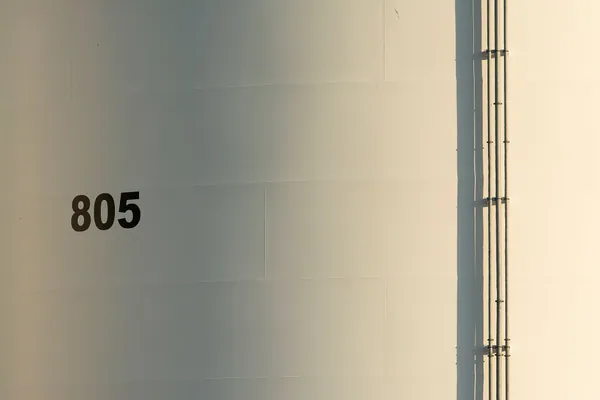
Hand scrubbing walls and corners takes much longer in Al Bahr: thick deposits need repeated scrubbing and persistent effort to reach bare metal or concrete underneath.
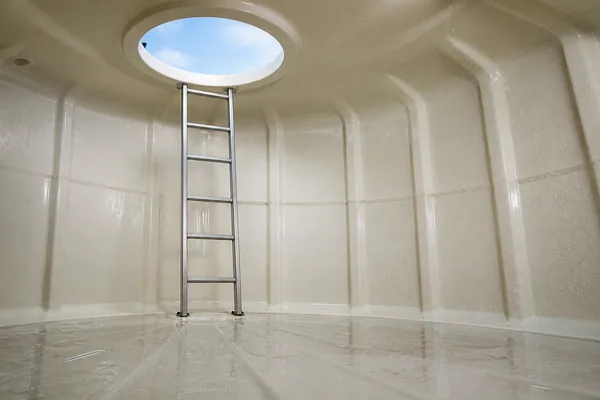
Disinfection in old buildings is crucial: humidity and mould may hide in old corners, so disinfectant needs adequate contact time to work effectively in damp tight spaces.
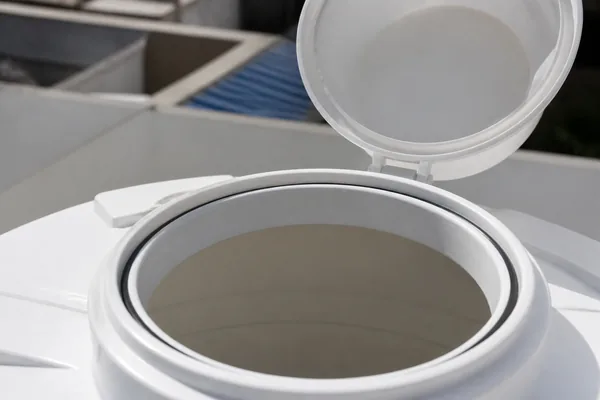
Final rinse must be intensive: any remaining mineral traces or salt deposits will leave a stale or metallic taste in water, especially in a district known for naturally hard water.
The supply into the tank is shut and the tank is drained completely.
The sludge on the floor is scooped and pumped out first.
The biofilm on the walls is physically scrubbed off.
With the walls and floor clean, a disinfectant made for drinking-water storage is applied and given time to act on every surface.
The disinfectant and any loosened residue are rinsed down and pumped out, so the first tank of water after us is not carrying it.
We check the cover seal and inlet before refilling, so dust and insects stay out, then start the refill while you watch it run clear.
Historic district: close-set buildings, narrow lanes and ageing services
Historic districts mean the tank is part of a network of very old pipework: regular cleaning slows the buildup of rust and scale, but it cannot fix deteriorating pipes that may eventually require replacement to improve water quality beyond tank cleaning alone.
Pumps to clear sludge, scrubbing to remove biofilm, and disinfectant meant for potable storage.
We send a team, not one person, so a tank is drained, cleaned, disinfected and refilled in a single visit rather than left open for days.
We look at the lid seal and inlet, because a tank that got dirty fast usually has a way in.
Nothing is closed until the tank is refilling and you have seen the water run clean.
Photographs from real jobs carried out by the crew.












The commitment is simple enough to actually keep: we do not leave until the tank is disinfected, refilling, and you have seen it for yourself.
Central Jeddah is the old heart of the city: Al Balad with its coral stone houses, and the dense apartment quarters around it with shops beneath the flats. Floors here are often terrazzo or older ceramic tile, worn smooth and easily stained by cooking grease that drifts up from the street. Older kitchens and bathrooms carry heavy scale on taps and around drains, and pipework in the older blocks leaves rust marks in basins. Rugs and curtains take on the fine black dust of the main roads, so they need washing more often than elsewhere.
We provide these in Al Bahr too, and more than one can share a single visit.



