
The right gear for drinking water
Pumps to clear sludge, scrubbing to remove biofilm, and disinfectant meant for potable storage.
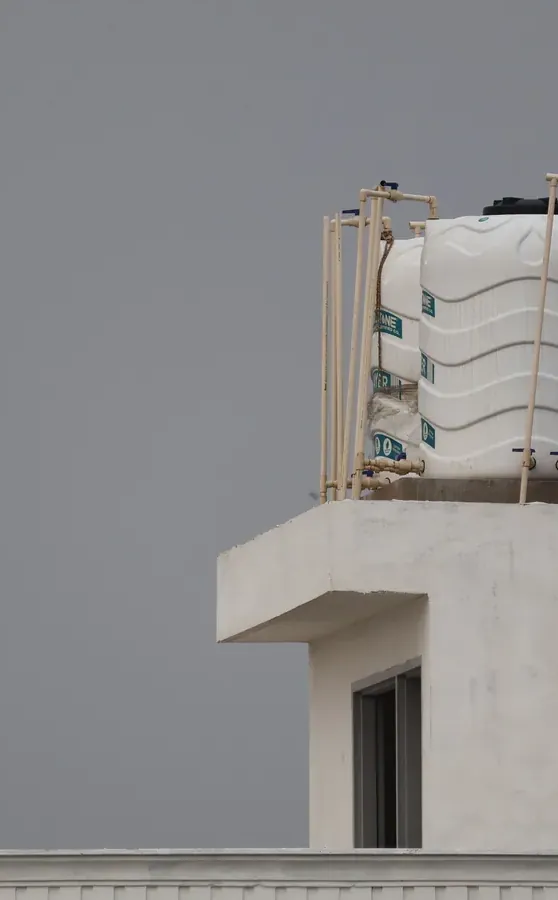
Al Ammariyah is an old central Jeddah district around Eve Cemetery in the heart of the city, and your tank serves apartment blocks on a grid of very tight streets. Water arrives from old pipes buried under crowded streets and reaches a tank squeezed between old buildings, accessible only from a narrow rooftop.
Tanks in Al Ammariyah are severely confined between building walls, reachable only through a narrow rooftop door and tight spiral stairs, and their sediment is deep and hard from many years of no maintenance. For the method itself, see what water tank cleaning involves.
Tight old roofs squeeze the tank between the neighbour's wall and a stairwell. Access is through a small roof door and spiral stairs that are narrow and steep. Draining the water needs care to avoid spraying the neighbour's property, and equipment must be lifted onto old roofs one step at a time.
The busy streets above the pipes vibrate and shake them. Lime scale has built up over decades, and water reaches the tank under weak pressure laden with chunks of scale. The tank holds all of it because weak pressure means slow circulation inside.
Old buildings may have tanks that are very old or of unknown age. Heavy sediment suggests it has never been cleaned or not for many years. Cleaning removes the deposits but may reveal that the tank itself is rusty or has small cracks.
A central district with the city's oldest cemetery at its core, woven through a very tight network of narrow streets and old adjoining apartment buildings, and horizontal pipes under the streets carry lime scale deposits from decades of heavy continuous use.
An old tank never cleaned may hold rock-hard mineral deposits, and we inspect it first to see if it can be cleaned or needs replacement.
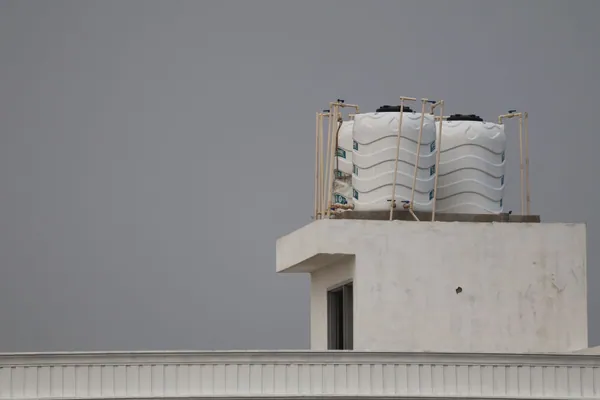
Draining in an old building means we may need to coordinate with other unit owners because a shared tank serves multiple flats.
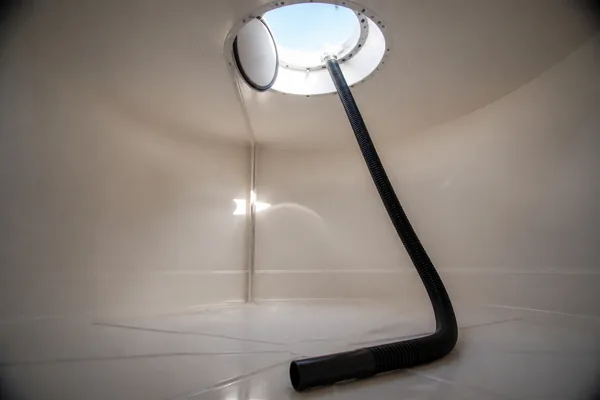
Suction needs extra power to shift hard stone-like sediment settled over decades, and our pump is strong but we protect the tank structure.
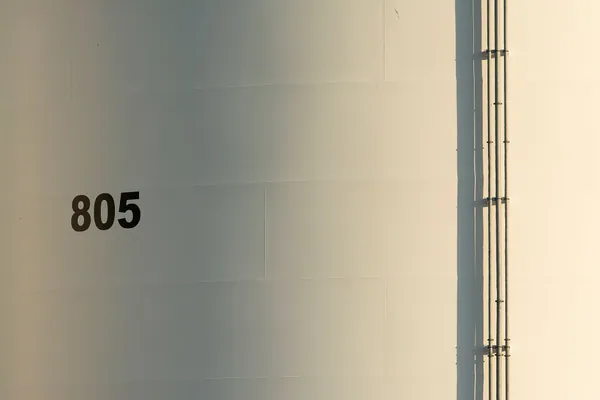
Hand scrubbing removes hardened deposits from walls, and this may take longer because the layers are thick and stuck fast.
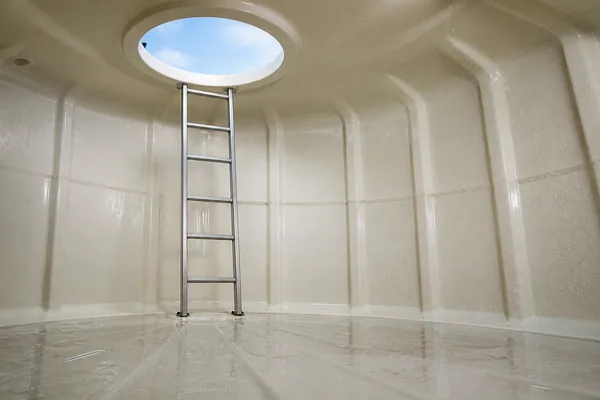
Disinfection kills bacteria that have lived in the tank alongside the deposits for years, and needs time to reach every surface.
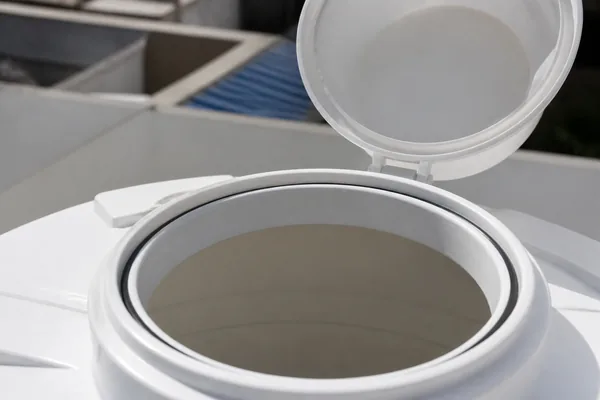
Final rinsing removes remaining sediment and all disinfectant, and lid check confirms it is sealed as tight as possible.
The supply into the tank is shut and the tank is drained completely.
The sludge on the floor is scooped and pumped out first.
The biofilm on the walls is physically scrubbed off.
With the walls and floor clean, a disinfectant made for drinking-water storage is applied and given time to act on every surface.
The disinfectant and any loosened residue are rinsed down and pumped out, so the first tank of water after us is not carrying it.
We check the cover seal and inlet before refilling, so dust and insects stay out, then start the refill while you watch it run clear.
Pumps to clear sludge, scrubbing to remove biofilm, and disinfectant meant for potable storage.
We send a team, not one person, so a tank is drained, cleaned, disinfected and refilled in a single visit rather than left open for days.
We look at the lid seal and inlet, because a tank that got dirty fast usually has a way in.
Nothing is closed until the tank is refilling and you have seen the water run clean.
Photographs from real jobs carried out by the crew.












The commitment is simple enough to actually keep: we do not leave until the tank is disinfected, refilling, and you have seen it for yourself.
Central Jeddah is the old heart of the city: Al Balad with its coral stone houses, and the dense apartment quarters around it with shops beneath the flats. Floors here are often terrazzo or older ceramic tile, worn smooth and easily stained by cooking grease that drifts up from the street. Older kitchens and bathrooms carry heavy scale on taps and around drains, and pipework in the older blocks leaves rust marks in basins. Rugs and curtains take on the fine black dust of the main roads, so they need washing more often than elsewhere.
We provide these in Al Ammariyah too, and more than one can share a single visit.



