
We test before we treat
Reading the water first isn't optional to us.
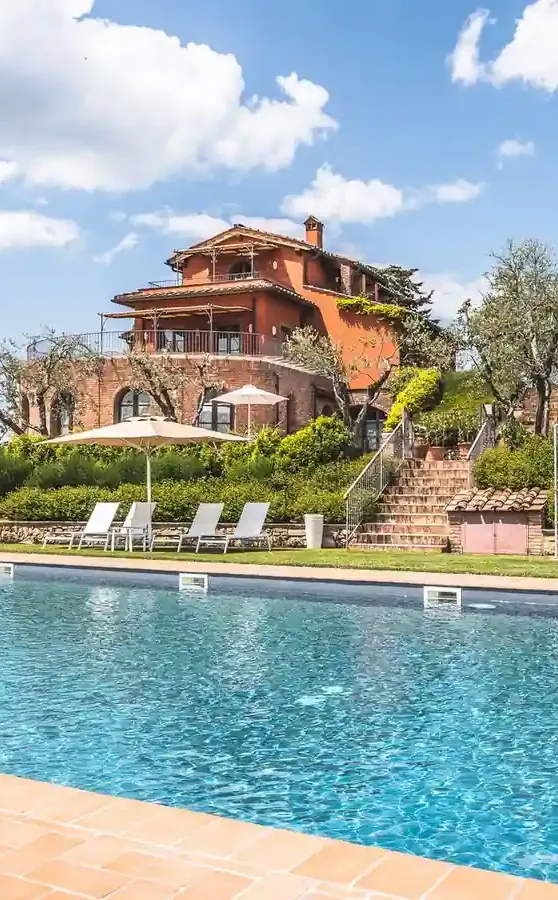
Prince Fawaz North is the northern half of the Prince Fawaz extension in south Jeddah, between the sea and the Jeddah Makkah Expressway. The air carries coastal humidity and industrial soot from the nearby port and heavy goods routes at the same time. Pools here face a complex mixture: sea salt, diesel soot, and the humidity from being caught between water and intense traffic.
Pools in Prince Fawaz North contend with three pollutants simultaneously: coastal salt, industrial soot and high humidity. This compound problem is harder to solve than any one of them alone. For the method itself, see how we approach swimming pool cleaning.
The air carries salt from the sea and soot from the heavy goods roads, and these two contaminants stick to filter media together, forming a hard deposit that plain water cannot rinse. Forceful backwash and sometimes chemical treatment are essential to restore flow.
The combination of humidity, salt and soot creates strong musty smell that clings to wet clothes and leaves a taste in the water. Continuous chemical treatment, strong ventilation and rapid surface skimming together are the only solution.
Most pools here are older with plain cement floors, which absorb moisture and soot together, blackening quickly and making deep cleaning difficult. Thorough drying after vacuuming is essential to prevent moisture penetrating the concrete.
The district lies between the sea and a major expressway in south Jeddah, close to industrial areas and the port. Air quality combines coastal salt spray with port and workshop emissions.
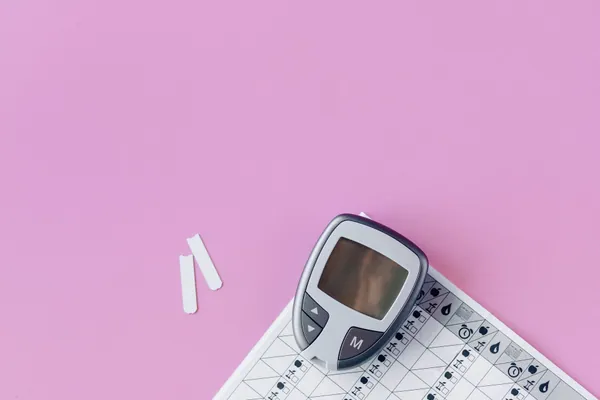
Water chemistry testing must screen for salt, soot and heavy particles: standard testing alone misses all three together.
Wall scraping requires a strong degreaser and extra time: salt and soot adhere harder than algae does.
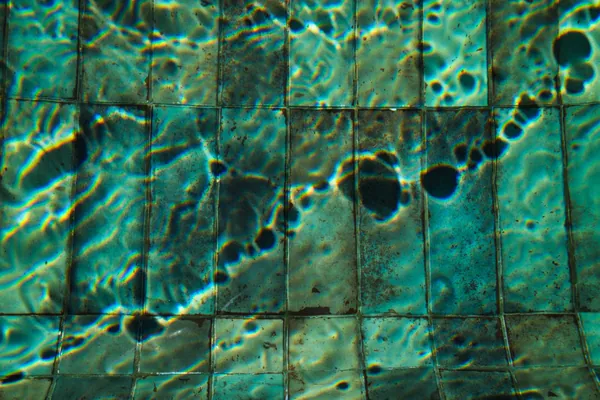
Floor vacuuming reveals heavy black sediment almost daily: this is environmental in areas near the port.
Skimmer and baskets clog very fast: daily or every other day cleaning is necessary.
Filter backwash must be forceful and run twice weekly at minimum: salt and soot together clog media fast.
Chemical balance requires constant monitoring: salt, soot and humidity shift the water properties rapidly.
pH, sanitiser and hardness are read at the start.
Floating leaves and debris come off before we brush.
Algae and the oily waterline film cling to the surfaces.
Silt settles in the deep end and the corners the return jets never reach.
The skimmer and pump baskets are cleared and the filter checked or backwashed.
With the water clean, we balance and dose, then walk the pool with you before leaving.
Prince Fawaz North sits about 1 km from Kilo 14 and about 1 km from Prince Fawaz South.
Open in Google MapsReading the water first isn't optional to us.
The company runs a large crew, and we send a team rather than one person.
Pumps, vacuum heads and the test kit come with the team.
If the pump or the plumbing is the real problem, we tell you.
Photographs from real jobs carried out by the crew.












The commitment is simple enough to actually keep: we don't leave until you've seen the result and had your say on it.
South Jeddah runs from the port and the industrial city down towards Al Khumrah, and homes here sit between the sea and the heavy goods roads. The dust is darker and oilier than in the north, a mix of diesel soot and workshop grit, and it clings to net curtains, window sills and the tops of kitchen cupboards. Floors in the older low rise housing are often plain cement or ceramic tile that darkens where soot is walked in. Humidity from the coast adds mildew in bathrooms and a musty smell in stored fabrics.
We provide these in Prince Fawaz North too, and more than one can share a single visit.



