
We test before we treat
Reading the water first isn't optional to us.
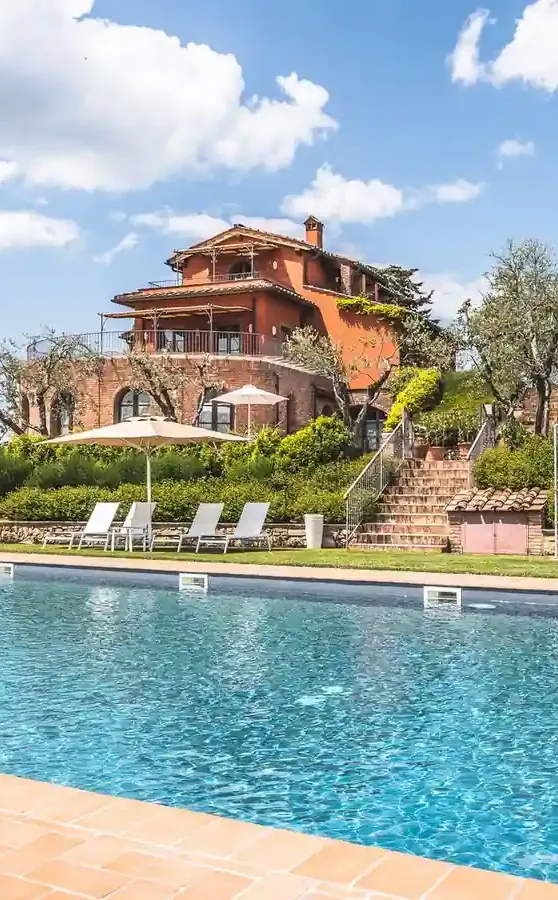
Prince Fawaz South sits between the sea and the heavy goods routes where port trucks and workshops are dense and close. Diesel soot settles on every surface and works into filters fast, and the pools here get dirty in ways that differ completely from quieter residential areas. Salt and soot together create a specific maintenance demand.
Diesel-cut soot in south Jeddah settles faster on every surface than ordinary dust does, and standing pool water attracts it at a visible rate. What takes days elsewhere takes hours here. For the method itself, see how we approach swimming pool cleaning.
Heavy goods routes running alongside the district release fine soot mixed with diesel oils. This soot penetrates filter media and pipework deeply and clings to wet walls for weeks. Deep regular cleaning of the entire system is essential to prevent blockages and slow flow.
Coastal humidity combined with soot leaves a musty smell and a stale taste to the water and to wet towels. Chemical treatment alone cannot eliminate the odour; good ventilation and frequent skimmer cleaning must accompany it.
Most pools in this area are older and the floor is bare cement, not tiled. Cement absorbs both soot and moisture together, making it harder to clean than modern tiled floors and holding discolouration permanently if not sealed.
The district lies between Haramain Road and the coast on one side, and the Jeddah Makkah Expressway on the other, crossed by an open stormwater channel. The air carries both coastal humidity and industrial soot, a compound problem for pool water.

Water chemistry testing must include screening for oils and heavy particles: standard testing misses soot that has settled deep into the filter system.
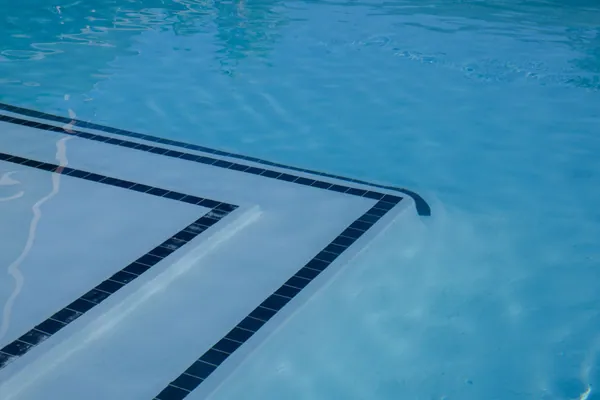
Wall scraping here demands a strong degreaser and extra time: soot mixed with oils does not come off with ordinary scraping technique.
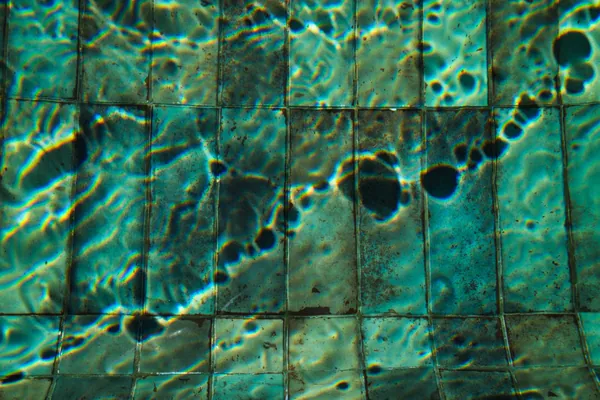
Floor vacuuming reveals heavy black sediment: we use powerful equipment to remove it without disturbing the rest of the floor layer.
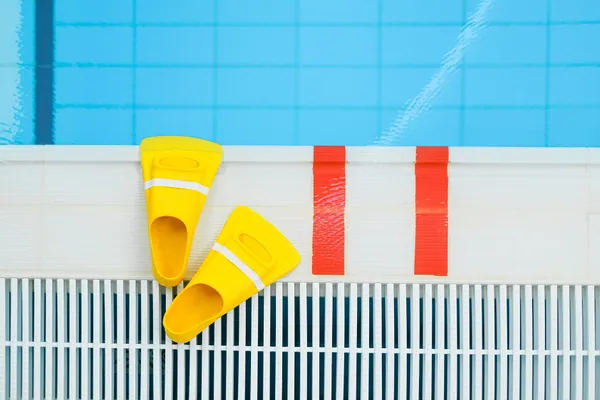
Skimmer and baskets clog fast from soot and oils: cleaning every two days is necessary, not weekly.
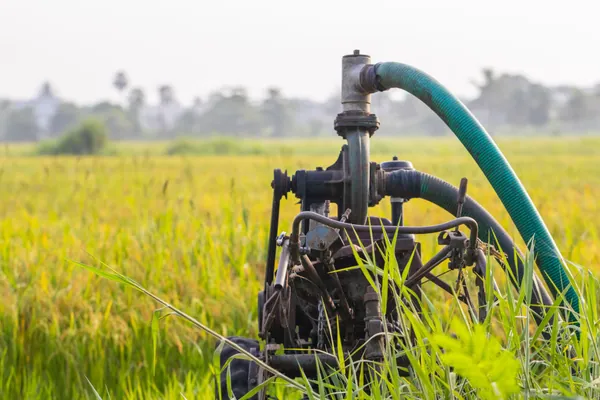
Filter backwash has to be forceful and sometimes chemical: soot clogs media noticeably fast and weakens flow.
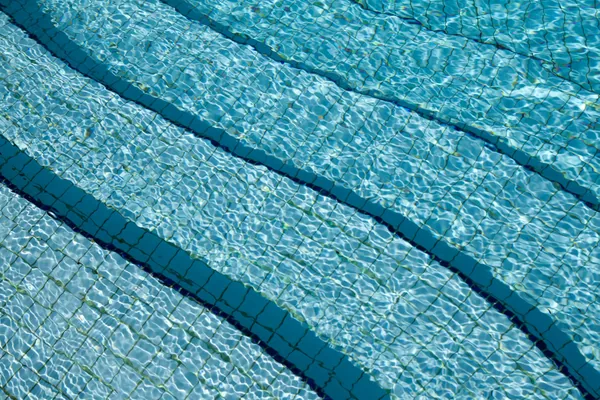
Chemical balance must account for humidity and soot together: chlorine and pH alone cannot manage water in this environment.
pH, sanitiser and hardness are read at the start.
Floating leaves and debris come off before we brush.
Algae and the oily waterline film cling to the surfaces.
Silt settles in the deep end and the corners the return jets never reach.
The skimmer and pump baskets are cleared and the filter checked or backwashed.
With the water clean, we balance and dose, then walk the pool with you before leaving.
Prince Fawaz South sits about 1 km from Prince Fawaz North and about 1 km from Al Shifa.
Open in Google MapsReading the water first isn't optional to us.
The company runs a large crew, and we send a team rather than one person.
Pumps, vacuum heads and the test kit come with the team.
If the pump or the plumbing is the real problem, we tell you.
Photographs from real jobs carried out by the crew.












The commitment is simple enough to actually keep: we don't leave until you've seen the result and had your say on it.
South Jeddah runs from the port and the industrial city down towards Al Khumrah, and homes here sit between the sea and the heavy goods roads. The dust is darker and oilier than in the north, a mix of diesel soot and workshop grit, and it clings to net curtains, window sills and the tops of kitchen cupboards. Floors in the older low rise housing are often plain cement or ceramic tile that darkens where soot is walked in. Humidity from the coast adds mildew in bathrooms and a musty smell in stored fabrics.
We provide these in Prince Fawaz South too, and more than one can share a single visit.



