
We test before we treat
Reading the water first isn't optional to us.
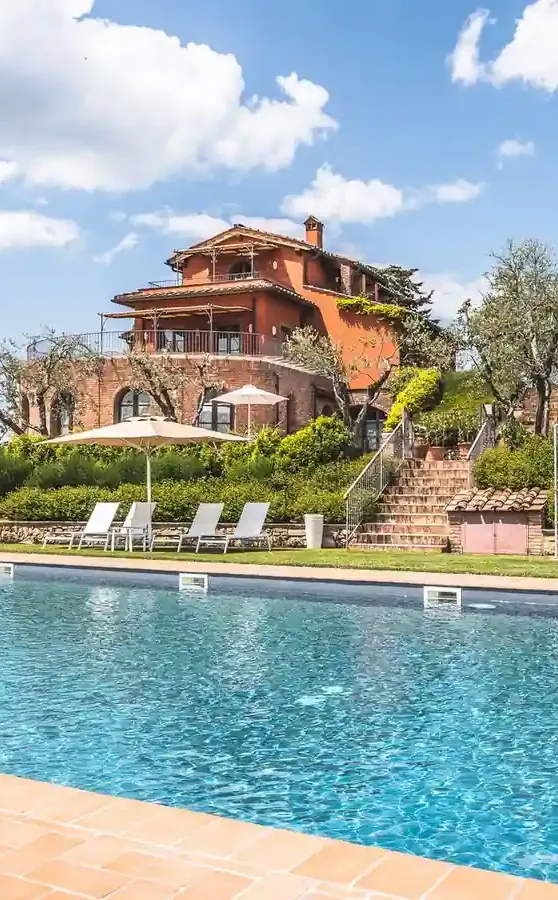
Khaleej Salman sits on the Red Sea where humidity and salt air are present year round, and that changes everything about the pool. Sea air deposits a salt film on glass, fabric and the water itself, which turns alkaline faster than inland districts. Cleaning here is not just brushing and filtering: it is precise testing because salt accumulates even when the water looks clear.
Water here tends alkaline faster than inland neighbourhoods, and salt deposits clog the filter before any visual change becomes obvious to the eye. For the method itself, see the full swimming pool cleaning page.
Coastal air carries salt particles that enter the pool on the wind, spray, and even on feet returning from the beach. This raises mineral load and pushes the water alkaline at speed. Regular testing is essential because strong chlorine smell may signal salt saturation, not residual chlorine effectiveness.
High humidity throughout the year creates ideal conditions for algae, even if chlorine is adequate. Walls and floor require regular brushing, and the water needs weekly testing rather than monthly monitoring, to catch early drift.
Fine salt particles and beach dust from the nearby shore clog the filter faster than inland areas see. Backwash needs higher frequency, and internal filter media may require earlier replacement than standard schedules allow.
The coastal location is ringed by water, coral reefs and persistent sea breezes, which means salt and high humidity enter every pool daily and alter its chemistry.

Salt and humidity affect reading accuracy, so we measure more than once to confirm the actual balance and rule out false readings from environmental moisture.
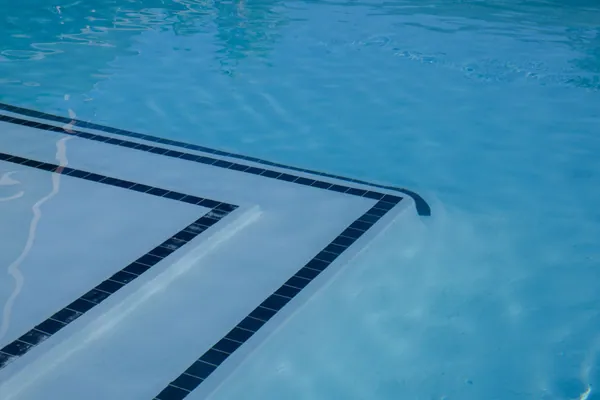
Walls and waterline gather salt from evaporation, and brushing requires extra care to remove the white mineral layers that form weekly.
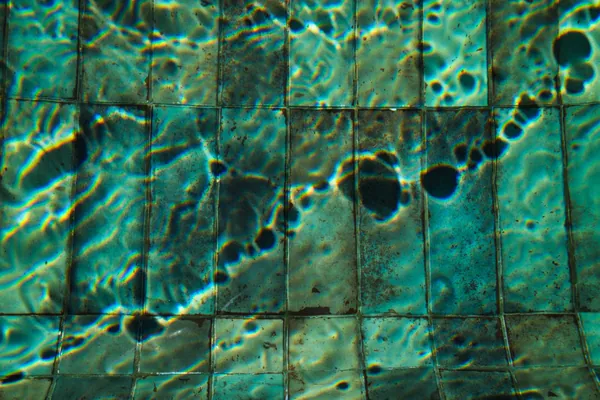
Salt deposits build on the floor fast, and vacuuming must be deep and thorough weekly to prevent sediment jamming the pump.
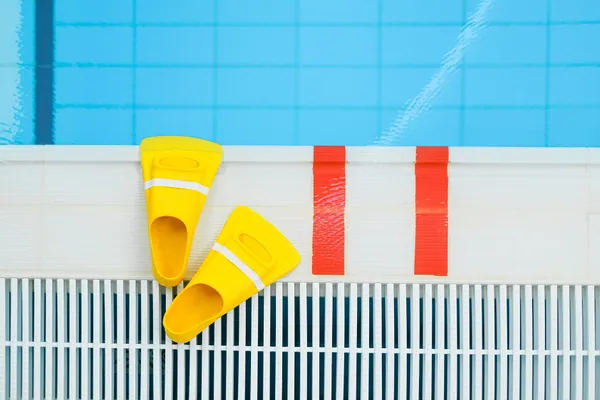
Salt clogs the skimmer and baskets faster than in other areas, and regular cleaning prevents filter bypass and brown water.

Backwash requires higher pressure and weekly cycles to clear salt crystal deposits that collect in filter media despite frequent cleaning.
Chemical balance shifts faster than in inland areas because salt and humidity are constant, requiring adjustment every five to seven days rather than fortnightly.
pH, sanitiser and hardness are read at the start.
Floating leaves and debris come off before we brush.
Algae and the oily waterline film cling to the surfaces.
Silt settles in the deep end and the corners the return jets never reach.
The skimmer and pump baskets are cleared and the filter checked or backwashed.
With the water clean, we balance and dose, then walk the pool with you before leaving.
Khaleej Salman sits about 8.5 km from Al Shati Al Thahabi and about 11 km from Al Zumurrud.
Open in Google MapsReading the water first isn't optional to us.
The company runs a large crew, and we send a team rather than one person.
Pumps, vacuum heads and the test kit come with the team.
If the pump or the plumbing is the real problem, we tell you.
Photographs from real jobs carried out by the crew.












The commitment is simple enough to actually keep: we don't leave until you've seen the result and had your say on it.
North Jeddah is largely newer villa districts and compounds around Obhur and inland from it. Homes here tend to have marble or porcelain floors, large windows and a garden or courtyard, so the routine is set by what comes in from outside: fine sand carried on sandals, and sprinkler spray that dries to a chalky ring on tiles. Near the creek and the coast, sea air leaves a faint salt film on glass and on outdoor cushions, which stiffens fabric. Curtains and upholstery in these open plan rooms catch the dust that settles overnight.
We provide these in Khaleej Salman too, and more than one can share a single visit.



