
We test before we clean
Testing the material on a hidden spot is a step we treat as necessary, not optional.
Al Wadi is an industrial zone of warehouses, loading yards and constant heavy truck movement, and carpet here lies between the port and the sea on one side and diesel roads on the other. The dust is not desert sand but a dark brown mix of diesel soot, workshop particles and fine metal dust that clings to carpet far more stubbornly than ordinary dust does.
Carpet in the office areas of warehouses collects black diesel dust and sea salt together, making it harder to clean than carpet in purely residential districts with simpler soiling patterns. For the method itself, see our guide to carpet and rug cleaning.
Heavy roads and trucks around Al Wadi release oily soot that ordinary vacuuming cannot shift. Soot mixes with machine oils and heavy hydrocarbons and clings in the pile base because it is oily, not dry. Strong vacuuming may not lift it alone, and plain water does not dissolve oil. The carpet needs pre-treatment to break the bond before extraction can remove the particles.
The sea is close and salty moisture rises, so carpet here carries sea salt on top of diesel soot. Salt crystallises at edges and corners, and moisture traps mustiness in the fibres, so rapid drying and precise moisture control are critical. Stored fabrics above carpet hold salt vapour and odour that extraction must reach.
Carpet in warehouse offices and reception areas faces staff and workers moving between loading yards all day. Dirt ground under shoes is a complex mix of soil, oil, salt and metal dust, not simple household dirt. The pile fills with industrial matter that needs different extraction than residential carpet requires.
Al Wadi holds modern warehouses and storage facilities on organised streets, but it is ringed by heavy goods roads and intense logistics traffic, so carpet is exposed to industrial oily dust and sea salt at the same time.
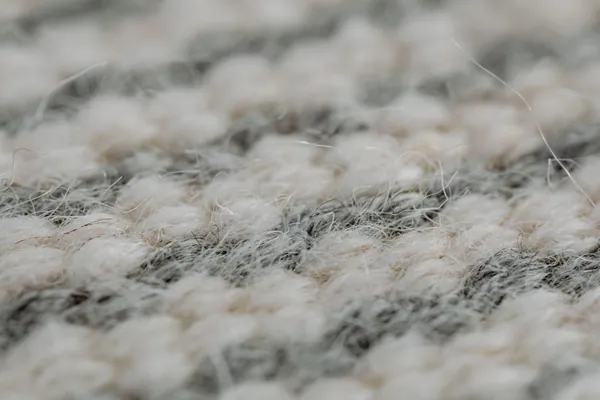
Industrial carpet in offices and fitted carpet in corridors are each sorted by fibre type before the washing method is chosen.
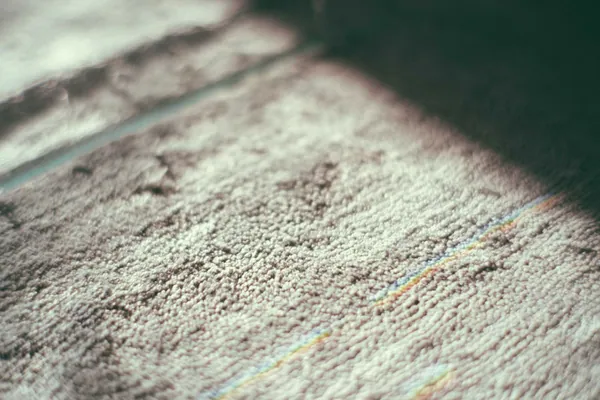
Deep dry vacuuming is essential here because oily soot settles deeper in the base than dry dust, and strong vacuuming may be needed more than once.
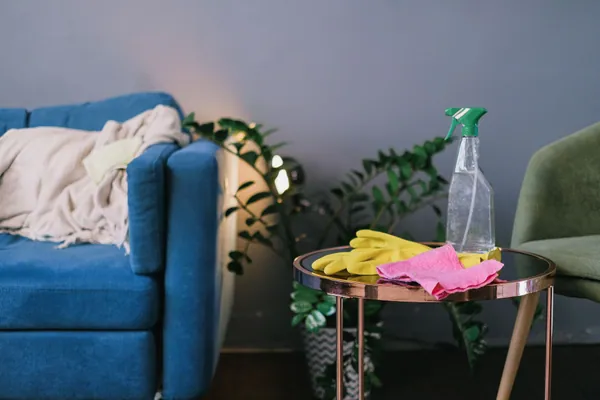
Oily stains, crystallised salt deposits and black mould each need different products and different treatment processes to avoid fibre damage.
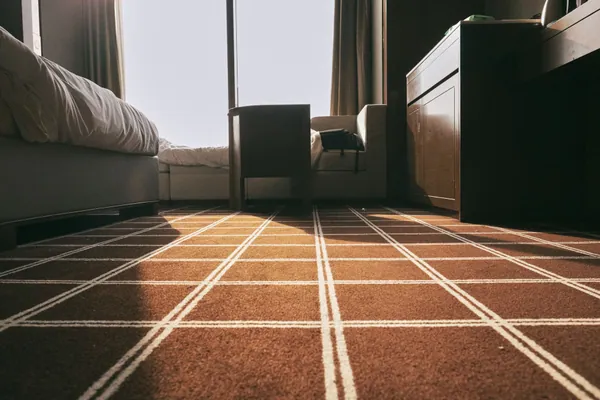
Industrial carpet is washed in hot water at high pressure to extract both soot and salt together from deep in the fibres.
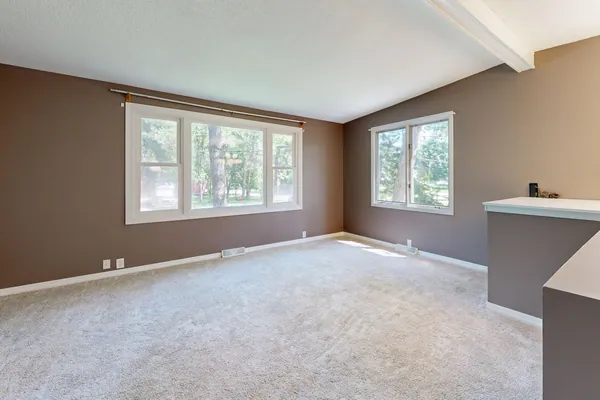
Fitted carpet stays in place and hot extraction removes both water and soil together without leaving any residue or trapped salt.
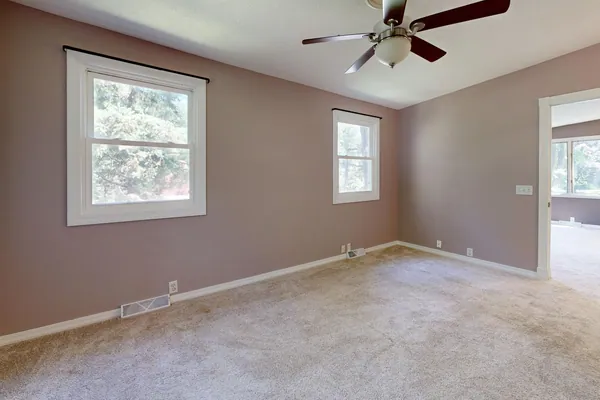
Rapid drying is crucial here because coastal humidity can cause mildew if carpet dries slowly, so powerful air movers and warm currents must reach from base to surface.
Wool, synthetic and silk-blends do not take the same heat or the same material.
Before any water.
An oil stain is not treated like a juice stain.
Hot water loosens what is bound in the pile and the extractor pulls it straight back out with the water, together, so nothing is left sitting in the base.
The borders and fringe are done by hand, where machines skip and where wear shows first, so the whole rug looks even.
The carpet is left slightly damp, not wet.
Industrial area: workshops, warehouses and loading yards
Al Wadi is industrial, and carpet here carries pollutants not found in residential carpet: diesel soot, sea salt and mineral oils together. The crew must understand that cleaning here is stronger and deeper, and drying tolerates no shortcuts or delays.
Testing the material on a hidden spot is a step we treat as necessary, not optional.
The company runs a large workforce, and we send a team rather than one worker.
The deep vacuum and extraction machines are ours and arrive with the team.
If a rug needs repair or re-fringing rather than cleaning, we say so.
Photographs from real jobs carried out by the crew.












The commitment is simple enough to actually keep: we do not leave before you have seen the result and told us what you think.
South Jeddah runs from the port and the industrial city down towards Al Khumrah, and homes here sit between the sea and the heavy goods roads. The dust is darker and oilier than in the north, a mix of diesel soot and workshop grit, and it clings to net curtains, window sills and the tops of kitchen cupboards. Floors in the older low rise housing are often plain cement or ceramic tile that darkens where soot is walked in. Humidity from the coast adds mildew in bathrooms and a musty smell in stored fabrics.
We provide these in Al Wadi too, and more than one can share a single visit.



