
The gear reaches the scale
Proper descalers, matched to each surface, are what move mineral off glass and out of grout.
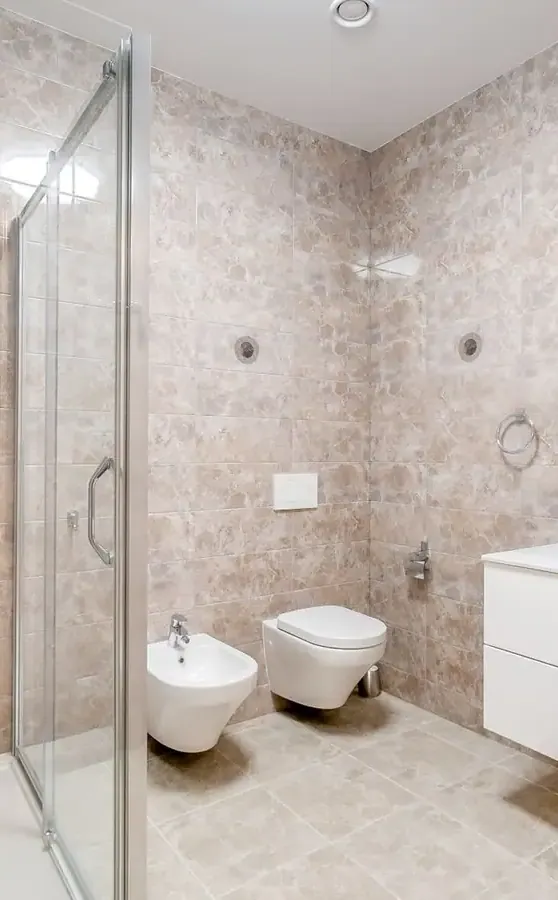
Al Rughamah is a mixed district in east Jeddah with shops at street level and homes above, situated within the hills and valley belt east of the city close to Wadi Al Qaws and the Mareekh Mountains. The district is relatively older for this part of Jeddah. Its position among hills means the air is drier than the coast but surfaces soil quickly with coarse sand and fine grit that wash and settle before water does.
Floors here scratch quickly from grit if not swept before mopping, and smooth marble may be marked. For the method itself, see what bathroom cleaning involves.
The hills and valley terrain sends dust that is coarser and paler than coastal dust, and fine grit enters from streets and gardens. Marble and ceramic floors scratch fast if grit sits under water when mopped, and mirrors and glass acquire fine scratches from the same grit.
Homes in Al Rughamah are older than new subdivisions in south Jeddah, and buried pipework deposits fine sand and mineral sediment inside itself. Roof tank water carries fine sand down and leaves a grey sediment film in basins and baths that ordinary wiping does not shift.
Shops below the flats use water all day, so bathrooms experience constant humidity beyond purely residential areas. Mould finds ideal damp conditions and moisture gets trapped in corners and distant edges.
The district lies in the hills and valley zone away from the sea. The air is drier and the dust is paler and coarser than coastal dust, though small stones enter homes from streets and gardens.
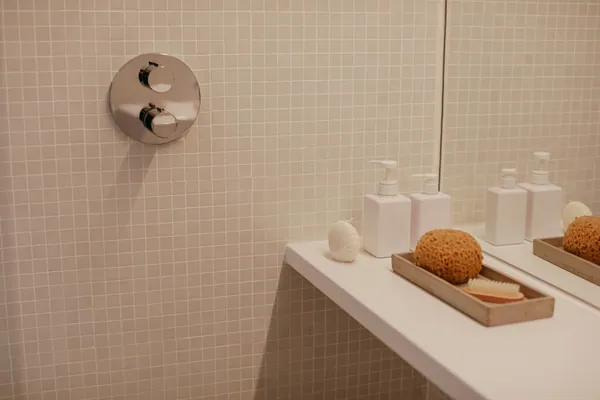
Smooth surfaces need testing first to measure how deep gravel scratches go before any remedial work.
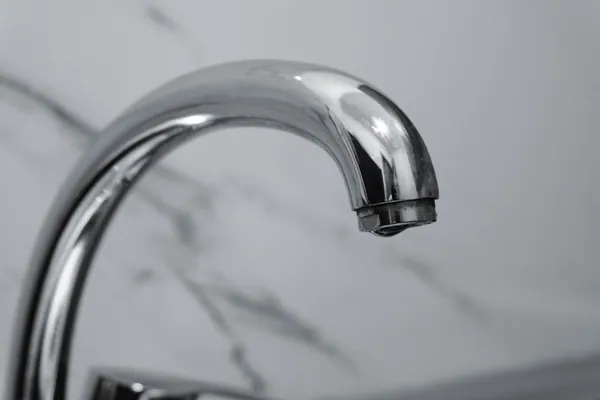
Limescale on taps may mix with fine sand from the roof tank. We soak it with product that removes both.
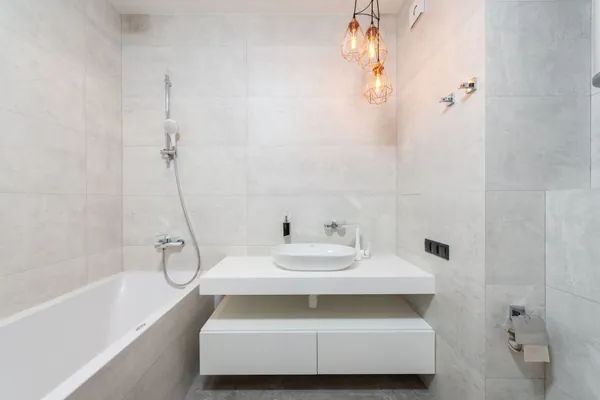
Grout collects coarse dust and mould together. We work it deeply but moisture may return.
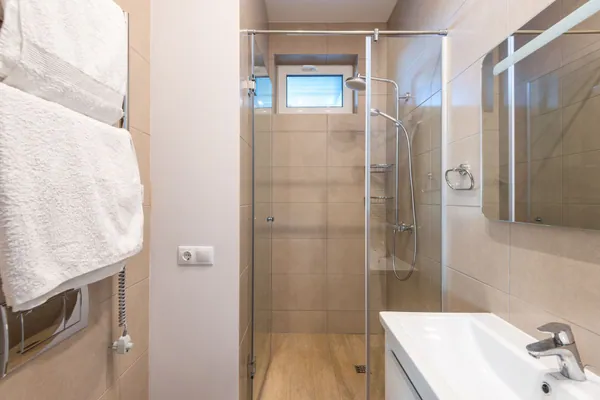
Glass and mirrors may have old scratches from grit. We clean them carefully and do not attempt to remove old scratches.
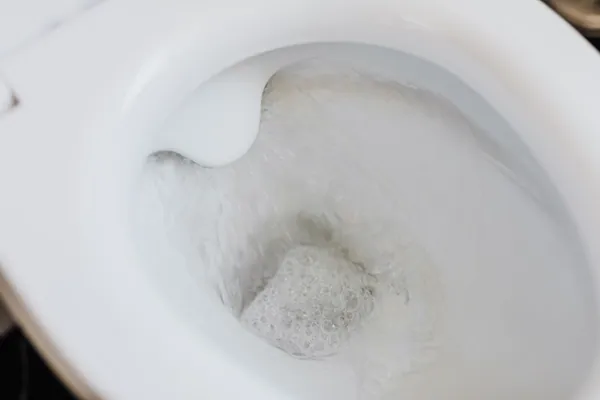
Basin, toilet and bath carry mineral sediment from the roof tank and sand together. We soak them with specialist product and work each fixture separately.
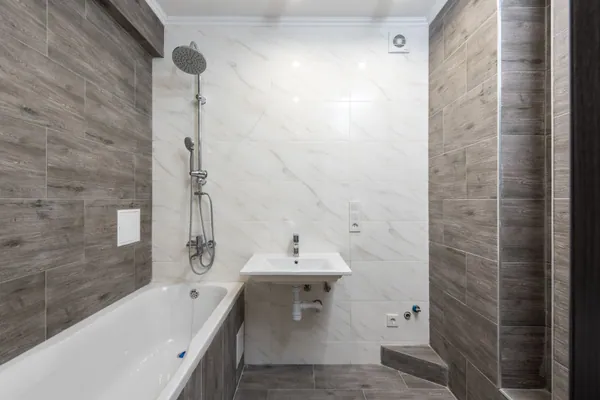
Drain may contain sand deposits and slow drainage. We clear it deeply of accumulated sediment.
We open the room, take everything off the ledges and shelves, and lift loose hair from the drains before any water or chemical goes down.
Scale on glass, taps and the shower head is not scrubbed off cold.
The joints are treated and scrubbed along the line, top to bottom, because film sits in the porous grout and a flat wipe never enters it.
The bowl, the base joint and the floor trap are done as one stage, since this is where odour lives.
What the products loosened is lifted off, and everything is rinsed downward so nothing dirty settles back onto a cleaned surface.
The damp low corners are dried so nothing feeds mould again, then we walk the room with you.
Proper descalers, matched to each surface, are what move mineral off glass and out of grout.
We send a team, not a single person.
Where scale has already etched the glass or mould has stained the grout for good, we tell you at the inspection.
Nothing is called done until you have walked the room and said so.
Photographs from real jobs carried out by the crew.












The commitment is simple enough to actually keep: we do not leave until you have seen the result and told us what you think of it.
East Jeddah lies furthest from the sea and closest to the open ground and hills beyond the ring roads, so the air is drier and the dust is coarser and paler than on the coast. It comes in under doors and settles on every flat surface overnight, making sofas, mattresses and curtains the heaviest part of the routine. Floors are mostly ceramic tile in the apartment districts and marble in the villa areas, both scratched by grit that is mopped rather than swept. Roof tank water leaves a grey film of sediment in baths and basins.
We provide these in Al Rughamah too, and more than one can share a single visit.



