
The right gear for drinking water
Pumps to clear sludge, scrubbing to remove biofilm, and disinfectant meant for potable storage.
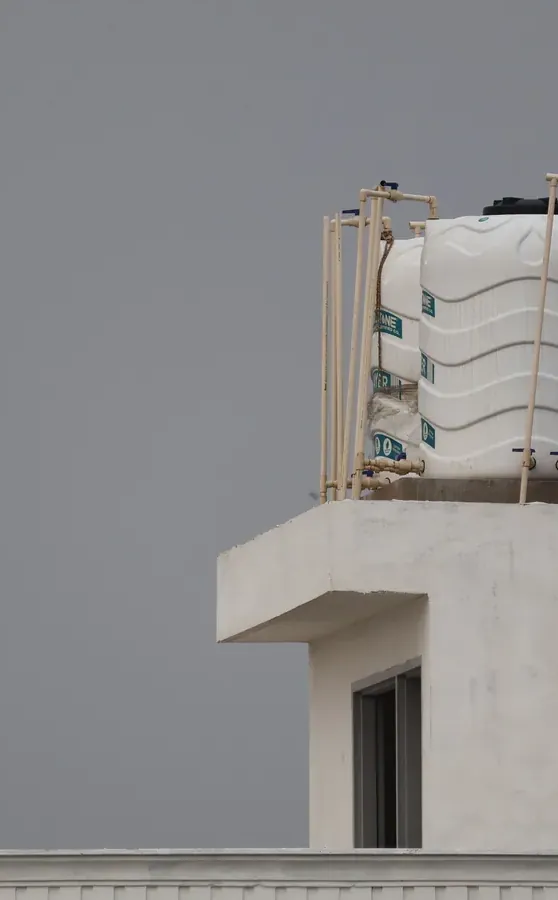
Taybah Ruhaili in northeast Jeddah is growing fast between Sharm Obhur and Wadi Obhur. Tanks here fill from local sources and sit in heat for days before use. Sediment and biofilm form quickly in these conditions, and clear water can hide what settles below the surface. A full tank clean every season keeps drinking water safe.
Tanks in Taybah Ruhaili need full cleaning more often than areas fed directly from main lines: manual filling and prolonged storage accelerate contamination. For the method itself, see our guide to water tank cleaning.
Local water carries fine sand and silt that settles fast. When a tank sits for days, a thick sediment bed forms below the water level. Vacuuming this layer requires powerful suction and safe discharge routes into proper waste lines or tanks.
Tanks with loose or broken lids let light and insects in, and algae thrives where warmth and sun meet water. Removing algae needs stiff brush work, chemical contact time, and immediate disinfection to prevent re-growth within days.
Broken, cracked or poorly fitted lids allow dust, insects and debris to fall in constantly. Checking and tightening the lid is part of the clean. Lids themselves are scrubbed and any gaps sealed to prevent future contamination.
A rapidly growing district with increasing population density, distant from main water lines. Tanks rely on periodic filling and long storage, accelerating sediment buildup and contamination.
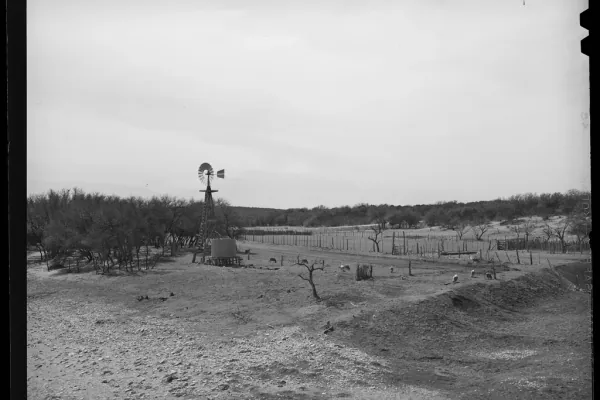
Pre-drain inspection reveals sediment and algae depth: tanks far from main supply lines typically hold more sludge than expected from sight alone.
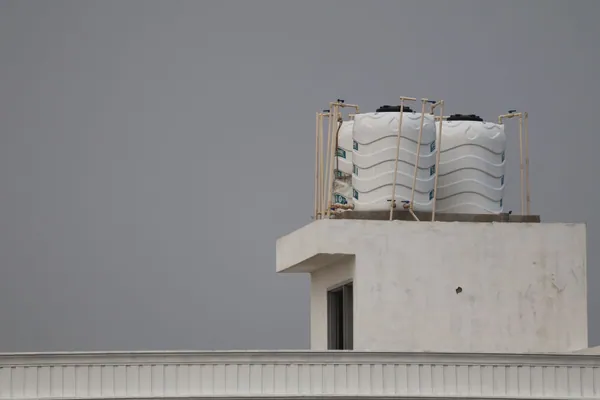
Draining old water is done via the bottom outlet or safe siphoning, and discharged water is assessed for visible contamination type before disposal.
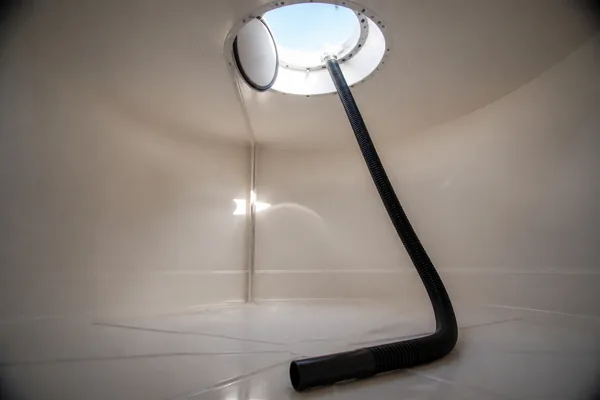
Vacuuming floor sediment requires strong suction equipment and safe discharge lines; heavy deposits often need multiple vacuum passes to clear completely.
Scrubbing walls and floor with stiff brushes and specialist cleaners removes algae and biofilm slime that causes odour and hides bacteria.
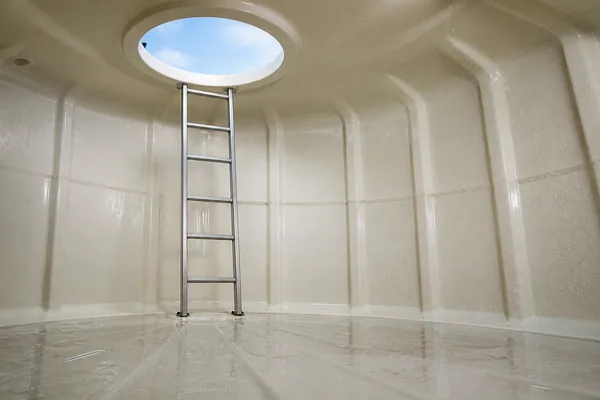
Disinfecting interior surfaces after scrubbing kills remaining bacteria and microbes; the disinfectant is left to contact surfaces long enough before final rinse.
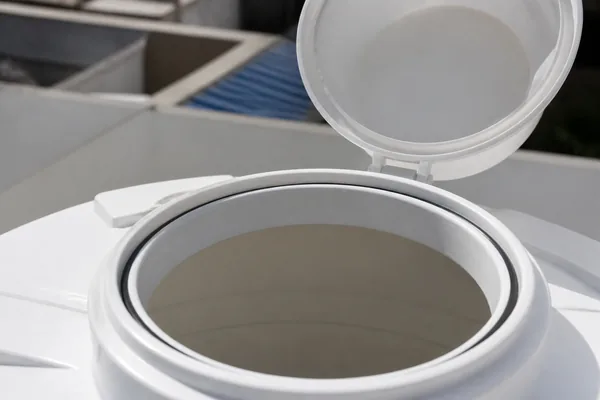
Checking the lid and all openings is essential: loose lids are tightened, cracked ones replaced or sealed, before the tank is refilled to prevent recontamination.
The supply into the tank is shut and the tank is drained completely.
The sludge on the floor is scooped and pumped out first.
The biofilm on the walls is physically scrubbed off.
With the walls and floor clean, a disinfectant made for drinking-water storage is applied and given time to act on every surface.
The disinfectant and any loosened residue are rinsed down and pumped out, so the first tank of water after us is not carrying it.
We check the cover seal and inlet before refilling, so dust and insects stay out, then start the refill while you watch it run clear.
Taybah Ruhaili sits about 1.5 km from Al Asalah and about 3.5 km from Al Wadiyah.
Open in Google MapsPumps to clear sludge, scrubbing to remove biofilm, and disinfectant meant for potable storage.
We send a team, not one person, so a tank is drained, cleaned, disinfected and refilled in a single visit rather than left open for days.
We look at the lid seal and inlet, because a tank that got dirty fast usually has a way in.
Nothing is closed until the tank is refilling and you have seen the water run clean.
Photographs from real jobs carried out by the crew.












The commitment is simple enough to actually keep: we do not leave until the tank is disinfected, refilling, and you have seen it for yourself.
North Jeddah is largely newer villa districts and compounds around Obhur and inland from it. Homes here tend to have marble or porcelain floors, large windows and a garden or courtyard, so the routine is set by what comes in from outside: fine sand carried on sandals, and sprinkler spray that dries to a chalky ring on tiles. Near the creek and the coast, sea air leaves a faint salt film on glass and on outdoor cushions, which stiffens fabric. Curtains and upholstery in these open plan rooms catch the dust that settles overnight.
We provide these in Taybah Ruhaili too, and more than one can share a single visit.



