
The right gear for drinking water
Pumps to clear sludge, scrubbing to remove biofilm, and disinfectant meant for potable storage.
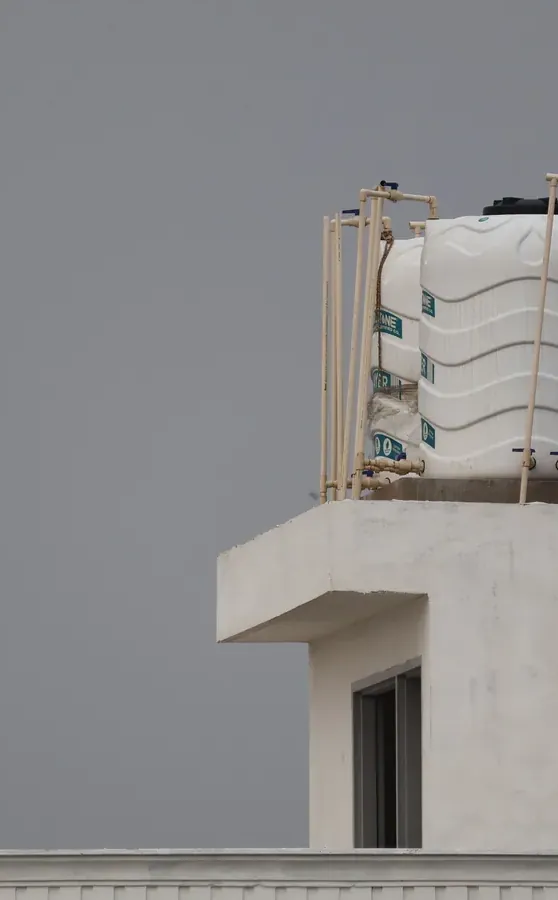
Al Waziriyah is a compact mixed district in south Jeddah bounded by distinct roads: Al Falah to the north, Stadium Street to the east and Al Mahjar to the west. Tanks here suffer heavy street dust and grit from light activities nearby. Salinity from the relative proximity to the coast combines with dust to deposit a complex mixed layer on the floor. The water here carries multiple contaminant types.
Dust here is darker and oilier than other areas because of proximity to the industrial zone and the heavy roads that encircle the neighbourhood. For the method itself, see the full water tank cleaning page.
The neighbourhood is enclosed by busy main roads and heavy trucks pass daily. Dust from these roads carries oily particles from diesel exhaust. This oily dust enters the tank and settles as a sticky layer on the floor, difficult to remove and tightly bonded to surfaces.
Al Waziriyah is close to the port and coastal industrial zone. Air carries sea salt mixed with diesel smoke from trucks. This combination of salt and oil deposits a complex thick layer on the tank floor, more dense and resistant than dust layers in other areas.
Alongside housing are shops and small workshops. Mixed use increases pressure on the shared tank. Different contaminants accumulate: commercial dust, sea salts from nearby coast, and industrial particles from the surrounding industrial area. The sediment is a mixture of all three.
A compact district bounded by main roads, close to the coast and port and the industrial zone, with a mix of housing, commerce and light craft and trade.
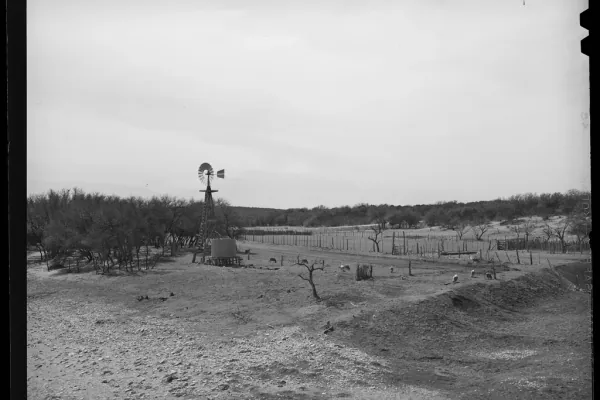
The initial inspection reveals a dark layer of oily dust and salt mixed together on the floor, reflecting the location near the port and heavy truck roads.
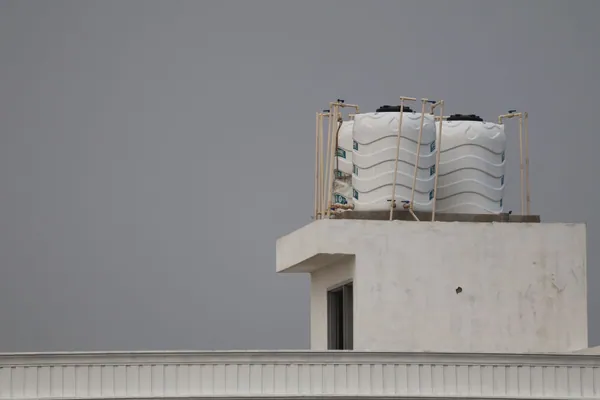
Full drainage is essential because standing water masks the complex layer of dust, salt and oily particles that have settled and bonded tightly on the floor.
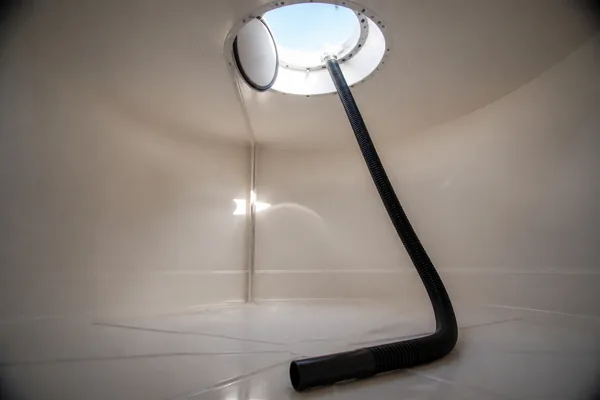
Sediment removal extracts a complex mix of oily dust, sea salt and industrial particles that have accumulated together, requiring specialised handling.
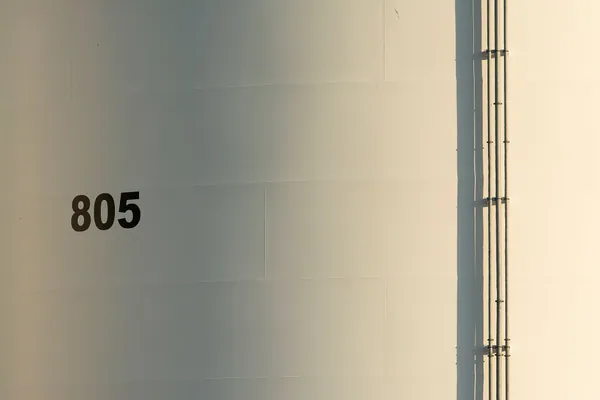
Wall scrubbing targets the dark sticky layer of oily dust and salt that is tightly bonded, requiring extra pressure and time to remove completely without damage.
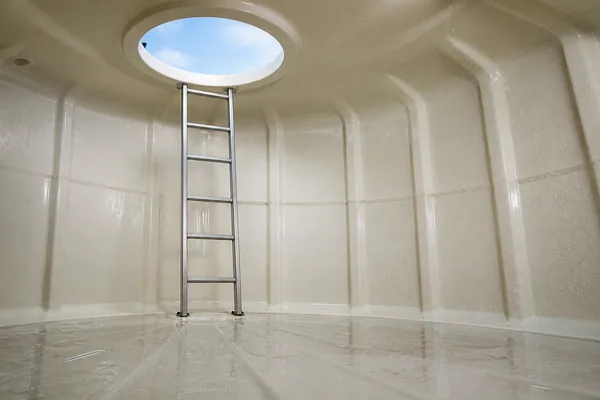
Disinfection must be very thorough because the mixed environment may carry multiple bacterial strains from different sources, and complete killing action is essential.
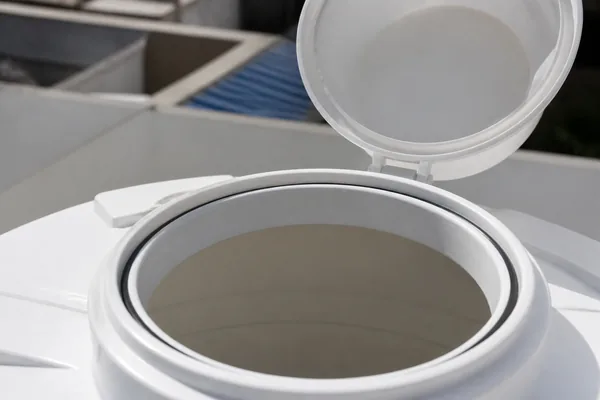
Cover and pipes are checked for cracks caused by daily vibration from nearby truck traffic, and for corrosion points from salt that allow ingress.
The supply into the tank is shut and the tank is drained completely.
The sludge on the floor is scooped and pumped out first.
The biofilm on the walls is physically scrubbed off.
With the walls and floor clean, a disinfectant made for drinking-water storage is applied and given time to act on every surface.
The disinfectant and any loosened residue are rinsed down and pumped out, so the first tank of water after us is not carrying it.
We check the cover seal and inlet before refilling, so dust and insects stay out, then start the refill while you watch it run clear.
Al Waziriyah has clear boundaries: Al Mahjar Street and Stadium Street define your location precisely, and these roads make it straightforward for the team to locate your building and arrange access when coordinating over the phone.
Pumps to clear sludge, scrubbing to remove biofilm, and disinfectant meant for potable storage.
We send a team, not one person, so a tank is drained, cleaned, disinfected and refilled in a single visit rather than left open for days.
We look at the lid seal and inlet, because a tank that got dirty fast usually has a way in.
Nothing is closed until the tank is refilling and you have seen the water run clean.
Photographs from real jobs carried out by the crew.












The commitment is simple enough to actually keep: we do not leave until the tank is disinfected, refilling, and you have seen it for yourself.
South Jeddah runs from the port and the industrial city down towards Al Khumrah, and homes here sit between the sea and the heavy goods roads. The dust is darker and oilier than in the north, a mix of diesel soot and workshop grit, and it clings to net curtains, window sills and the tops of kitchen cupboards. Floors in the older low rise housing are often plain cement or ceramic tile that darkens where soot is walked in. Humidity from the coast adds mildew in bathrooms and a musty smell in stored fabrics.
We provide these in Al Waziriyah too, and more than one can share a single visit.



