
The right gear for drinking water
Pumps to clear sludge, scrubbing to remove biofilm, and disinfectant meant for potable storage.
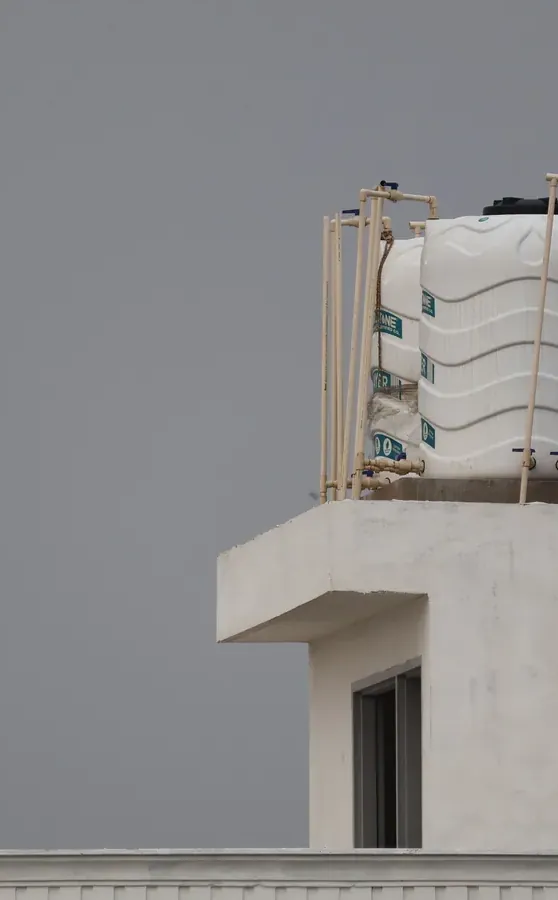
Al Mustaqbal is a mixed district in south Jeddah, known by Al Mustaqbal Hospital on its edge, where residential blocks host shops on ground floors and flats above them. One tank may serve a restaurant, a medical clinic, a small shop and families together, each drawing water at different times and in different quantities, which speeds up contamination.
Commercial tenants on ground floors consume large volumes of water during peak hours, draining the tank rapidly and refilling it in bursts, which stirs up sediment and muddies the water supply to all users. For the method itself, see our water tank cleaning service in detail.
The ground floor holds a restaurant using heavy water volumes for cooking and washing, the second floor holds a clinic demanding very clean water, and upper floors hold families. One tank cannot serve three different use standards, so water is compromised for all three. Sediment that suits domestic use violates clinic standards, and restaurant wastewater contaminates family drinking water.
The restaurant draws water heavily at breakfast and dinner, draining the tank quickly, then it refills in a rush. This fast draw lifts settled sediment to the top and pushes it into the risers to upper flats, causing repeated complaints of cloudy water. Regular users upstairs cannot predict when water will run clear.
Al Mustaqbal Hospital is nearby and sets high water quality norms for the area. Clinics and small medical practices complain water is not clean enough, and residents compare their supply to hospital standards. Cleaning must meet higher benchmarks than a purely residential district.
The district spans from University Road to King Khalid Road, with mixed-use buildings where ground floors are busy with commerce throughout the day and upper floors are residential.
We inspect the tank from outside, confirming location, size and lid condition, and trace which pipes connect to the shop, the clinic and the residential flats above.
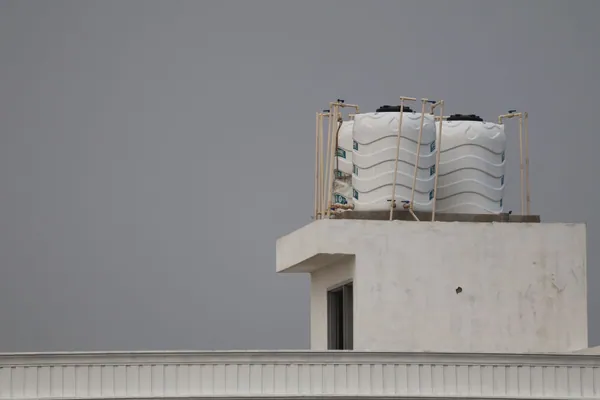
We drain the tank completely and move all water safely away from the shop and clinic, using strong pumps and long hoses to prevent spillage and mess in working commercial spaces.
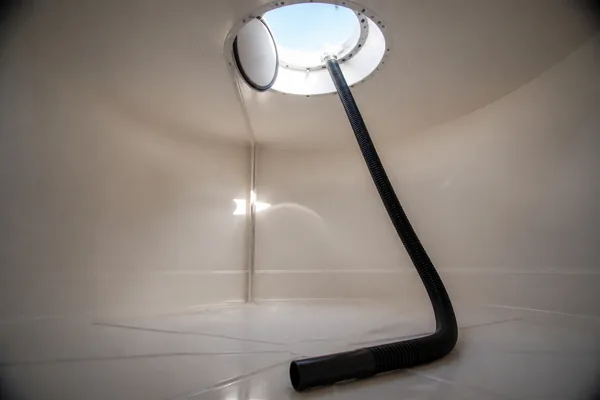
We vacuum sediment aggressively; commercial water use leaves oily and organic deposits that accumulate faster than domestic use alone, and the tank bottom requires extra suction power.
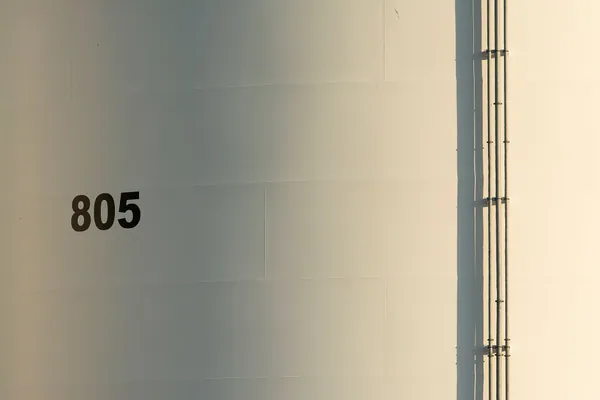
We scrub walls and floor by hand with stiff brushes, paying close attention to corners where bacteria grow rapidly in mixed-use tanks under heavy load.
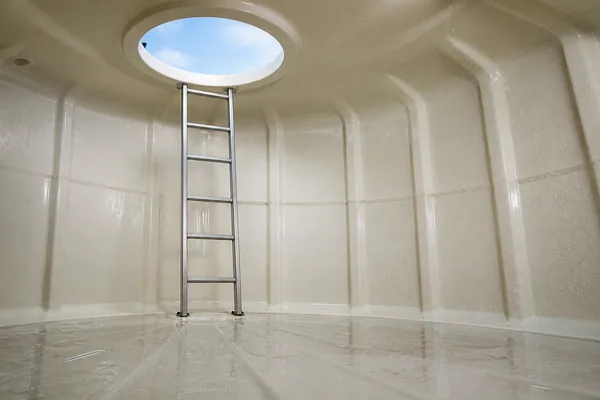
We disinfect with a drinking water safe disinfectant sprayed evenly across all internal surfaces, walls, floor and lid underside to kill biofilm and prevent rapid re-contamination.
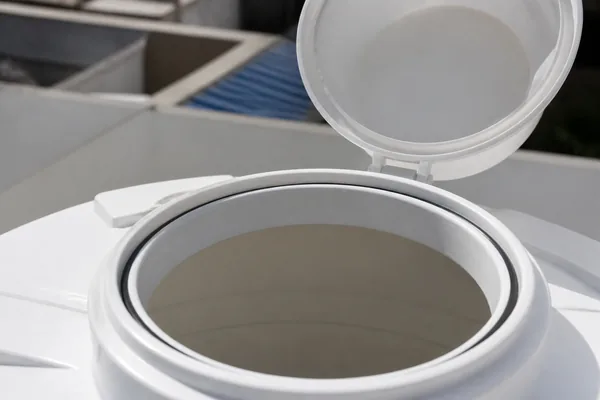
We rinse thoroughly with clean water until discharge runs clear, inspect the lid and seal, then coordinate with all tenants to prepare their pipes and restore supply to everyone safely.
The supply into the tank is shut and the tank is drained completely.
The sludge on the floor is scooped and pumped out first.
The biofilm on the walls is physically scrubbed off.
With the walls and floor clean, a disinfectant made for drinking-water storage is applied and given time to act on every surface.
The disinfectant and any loosened residue are rinsed down and pumped out, so the first tank of water after us is not carrying it.
We check the cover seal and inlet before refilling, so dust and insects stay out, then start the refill while you watch it run clear.
Tanks in Al Mustaqbal sit on rooftops of mixed buildings, usually accessed via stairwells near King Khalid Road or through internal passages near shops along University Road. We need precise directions because buildings here are complex, with multiple entrances and shared access points.
Pumps to clear sludge, scrubbing to remove biofilm, and disinfectant meant for potable storage.
We send a team, not one person, so a tank is drained, cleaned, disinfected and refilled in a single visit rather than left open for days.
We look at the lid seal and inlet, because a tank that got dirty fast usually has a way in.
Nothing is closed until the tank is refilling and you have seen the water run clean.
Photographs from real jobs carried out by the crew.












The commitment is simple enough to actually keep: we do not leave until the tank is disinfected, refilling, and you have seen it for yourself.
South Jeddah runs from the port and the industrial city down towards Al Khumrah, and homes here sit between the sea and the heavy goods roads. The dust is darker and oilier than in the north, a mix of diesel soot and workshop grit, and it clings to net curtains, window sills and the tops of kitchen cupboards. Floors in the older low rise housing are often plain cement or ceramic tile that darkens where soot is walked in. Humidity from the coast adds mildew in bathrooms and a musty smell in stored fabrics.
We provide these in Al Mustaqbal too, and more than one can share a single visit.



