
The right gear for drinking water
Pumps to clear sludge, scrubbing to remove biofilm, and disinfectant meant for potable storage.
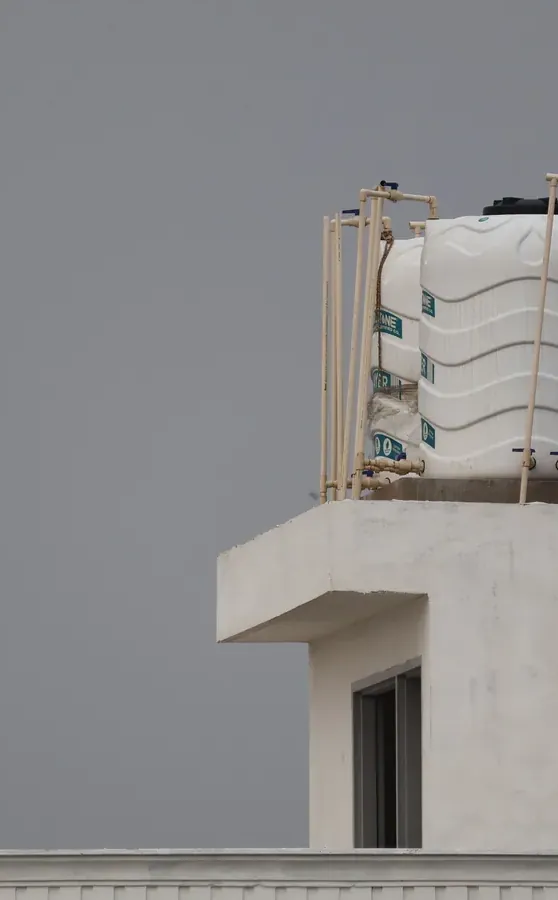
Al Tilal is a mixed district: shops occupy the ground floor with homes stacked above, and one tank serves both levels. Sediment builds faster where street dust and traffic enter the water supply. Cleaning here must stop the water without disrupting the shops beneath or leaving the flats above dry.
Tanks here tend to foul more quickly due to moisture from the higher ground and dust from busy local streets. For the method itself, see our water tank cleaning service in detail.
In mixed-use buildings, a single tank serves shops on the ground and flats above. Cleaning must be timed to keep water flowing to both without disruption. Our team works outside trading hours and co-ordinates with the landlord to minimise the cut-off period for residents upstairs.
Al Tilal's higher ground means water arrives under greater pressure, which speeds sediment accumulation on the tank floor. We inspect carefully for hairline cracks that may only appear under sustained pressure from the elevated position.
The narrow, steep streets of Al Tilal collect dust from constant vehicular traffic. Poor ventilation means dust does not disperse readily and enters the tank through weak seals and loose lids.
The area sits between Mareekh Mountains and Wadi Al Qaws. Its elevated terrain means pipes carry higher pressure than in flatter districts, which affects how sediment settles.
A mixed-use tank serves multiple levels and tenants. We inspect its external and internal condition carefully and do not start until the building owner approves the plan.
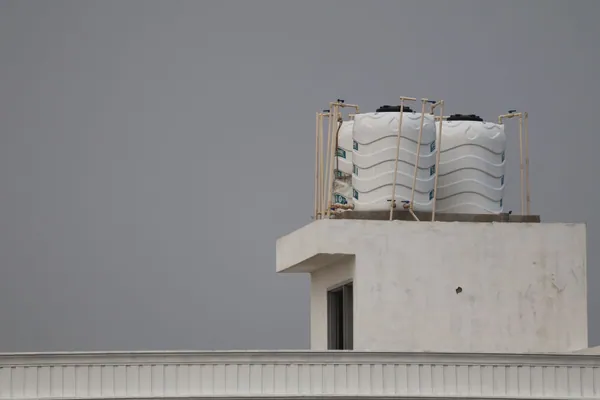
Draining is done carefully to maintain water supply to shops and flats throughout the process with minimal disruption.
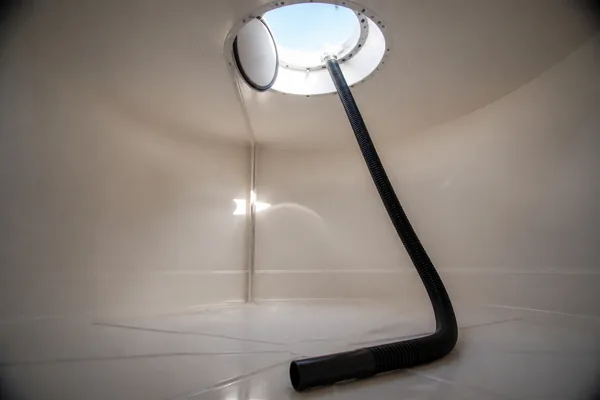
Sediment on the floor is vacuumed away by specialised equipment; we do not stir it, we remove it straight from the bottom.
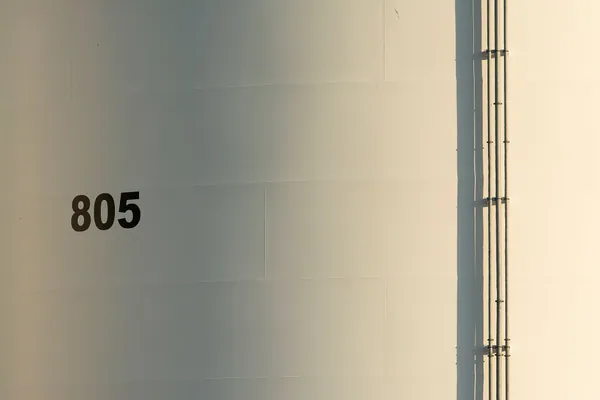
Walls and corners are scrubbed by hand because humidity and dust create stubborn films in this location.
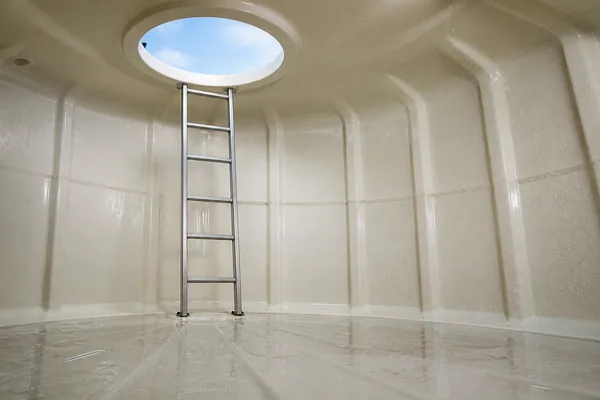
Disinfection uses drinking water safe products applied after scrubbing is complete, with adequate wait time before the final rinse.
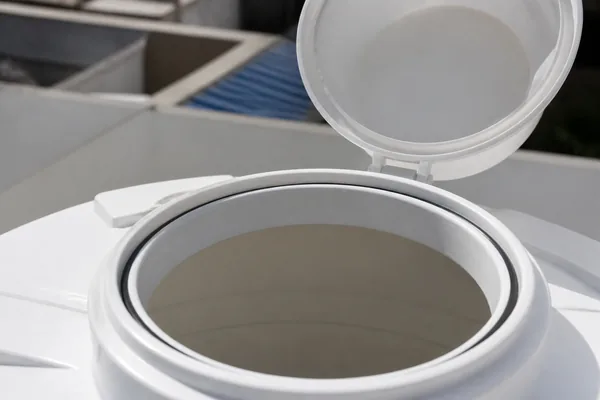
Final rinse includes inspection of the lid, seals and all openings to ensure no dust or insects can re-enter after the work is done.
The supply into the tank is shut and the tank is drained completely.
The sludge on the floor is scooped and pumped out first.
The biofilm on the walls is physically scrubbed off.
With the walls and floor clean, a disinfectant made for drinking-water storage is applied and given time to act on every surface.
The disinfectant and any loosened residue are rinsed down and pumped out, so the first tank of water after us is not carrying it.
We check the cover seal and inlet before refilling, so dust and insects stay out, then start the refill while you watch it run clear.
Mixed district: shops at street level with homes above them
A mixed-use tank serves both shops and homes, so its water is used for cooking, drinking and business. Full disinfection and rigorous lid inspection are more critical here than in purely residential buildings.
Pumps to clear sludge, scrubbing to remove biofilm, and disinfectant meant for potable storage.
We send a team, not one person, so a tank is drained, cleaned, disinfected and refilled in a single visit rather than left open for days.
We look at the lid seal and inlet, because a tank that got dirty fast usually has a way in.
Nothing is closed until the tank is refilling and you have seen the water run clean.
Photographs from real jobs carried out by the crew.












The commitment is simple enough to actually keep: we do not leave until the tank is disinfected, refilling, and you have seen it for yourself.
Al Tilal lies between Mareekh Mountains on one side and Wadi Al Qaws on the other. We reach the buildings along the narrow streets between these landmarks, and work is co-ordinated around the Haramain High Speed Railway which runs close to some of the tanks here.
We provide these in Al Tilal too, and more than one can share a single visit.



