
The right gear for drinking water
Pumps to clear sludge, scrubbing to remove biofilm, and disinfectant meant for potable storage.
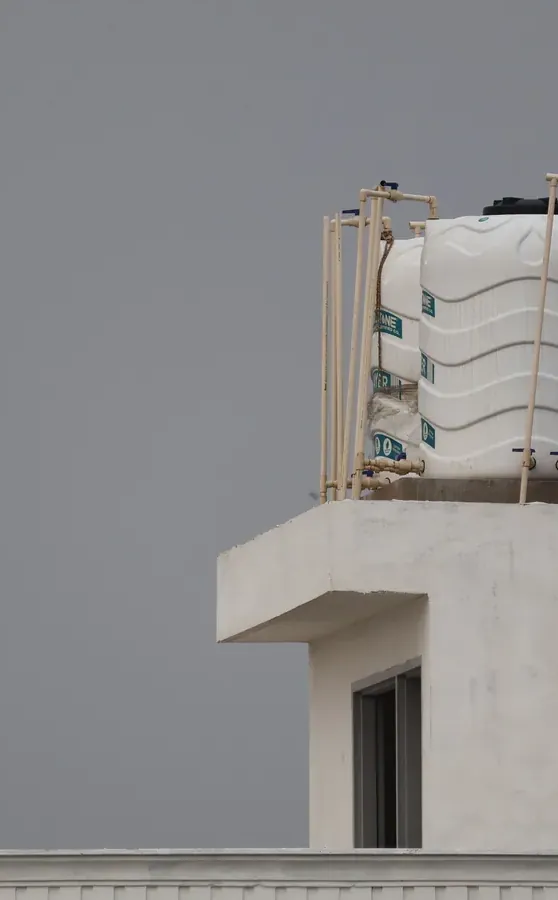
Al Muntazah is a district of apartment blocks on narrow crowded streets on the eastern edge of Briman sub-municipality, next to Wadi Al Asla. The internal streets are tight and tank access is often through narrow passages and worn stairs. Water here carries street dust and construction debris from the surrounding area.
Water here turns cloudy again quickly because the narrow streets trap dust and airborne particles at ground level. For the method itself, see the full water tank cleaning page.
Passages, stairs and doorways are narrow. Space for large mobile equipment does not exist. Equipment pieces must be carried by hand. Cleaning requires precise coordination of access and egress without disturbing neighbouring flats or damaging narrow corridors.
Many flats depend on one tank. Draining and cleaning requires coordination with dozens of residents. Water goes out for everyone at once, so the job must finish within reasonable hours to avoid extended hardship.
Narrow streets funnel and trap dust at ground level and on rooftops. Water absorbs this fine street dust and grit. Tanks here foul faster and need cleaning more frequently than in wider, airier districts.
Densely packed apartment buildings on tight internal streets beside Wadi Al Asla, with main road traffic noise and dust pollution from nearby throughways.
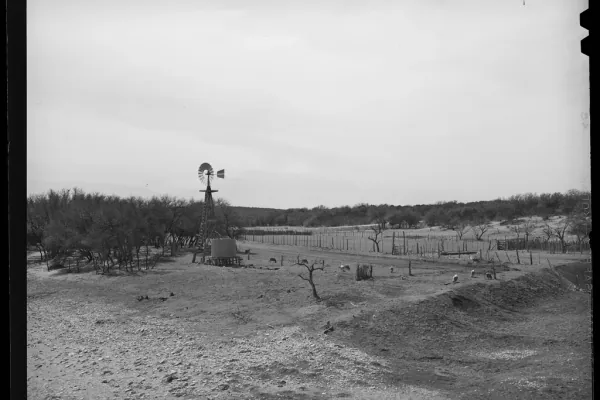
We inspect the tank, passages and access routes first to understand the difficulties posed by the narrow street and building layout.
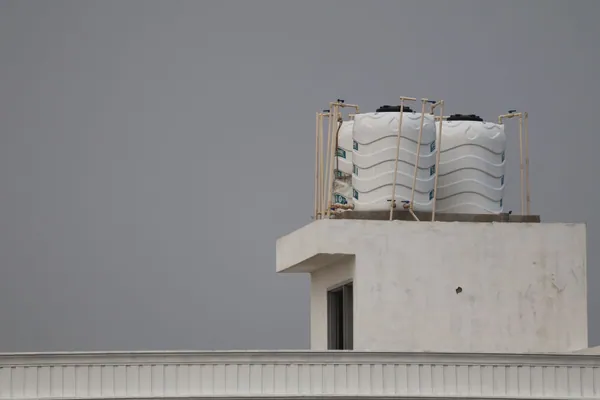
Complete drainage happens quickly because multiple buildings depend on the tank and water loss affects many residents.
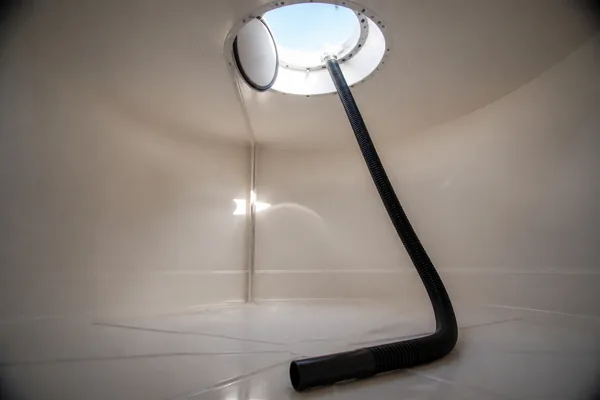
Sediment is vacuumed carefully to remove street dust and debris trapped by the confined street environment.
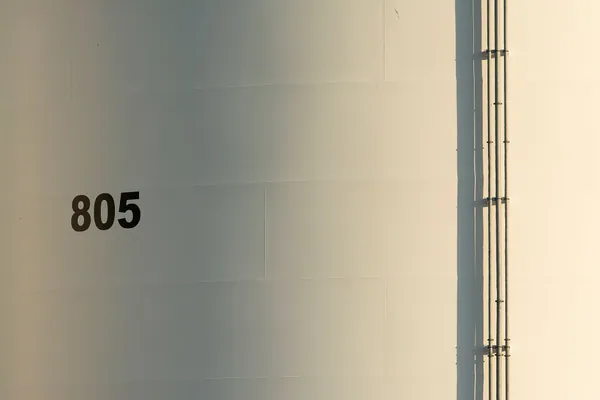
Walls are scrubbed by hand to remove layers of dust and debris that accumulate from the busy ground level surroundings.
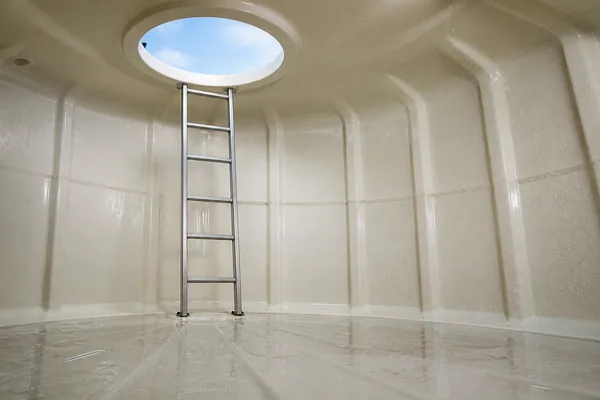
Disinfection is thorough to kill bacteria that thrive in dusty and often cloudy water conditions.
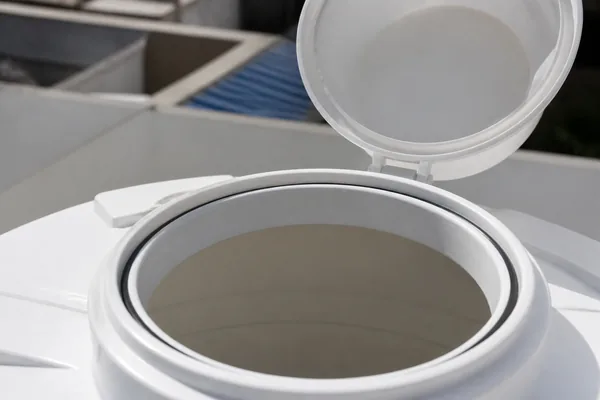
Final rinsing continues until water runs clear, and the lid is checked for tight seal against dust re-entry.
The supply into the tank is shut and the tank is drained completely.
The sludge on the floor is scooped and pumped out first.
The biofilm on the walls is physically scrubbed off.
With the walls and floor clean, a disinfectant made for drinking-water storage is applied and given time to act on every surface.
The disinfectant and any loosened residue are rinsed down and pumped out, so the first tank of water after us is not carrying it.
We check the cover seal and inlet before refilling, so dust and insects stay out, then start the refill while you watch it run clear.
Pumps to clear sludge, scrubbing to remove biofilm, and disinfectant meant for potable storage.
We send a team, not one person, so a tank is drained, cleaned, disinfected and refilled in a single visit rather than left open for days.
We look at the lid seal and inlet, because a tank that got dirty fast usually has a way in.
Nothing is closed until the tank is refilling and you have seen the water run clean.
Photographs from real jobs carried out by the crew.












The commitment is simple enough to actually keep: we do not leave until the tank is disinfected, refilling, and you have seen it for yourself.
Al Muntazah is bounded by Hada Al Sham Road to the north and Muawiyah Al Sulami Street to the west, giving access to the tank via these main streets and the narrow internal passages. Wadi Al Asla borders the district to the east and influences water quality throughout.
We provide these in Al Muntazah too, and more than one can share a single visit.



