
The right gear for drinking water
Pumps to clear sludge, scrubbing to remove biofilm, and disinfectant meant for potable storage.
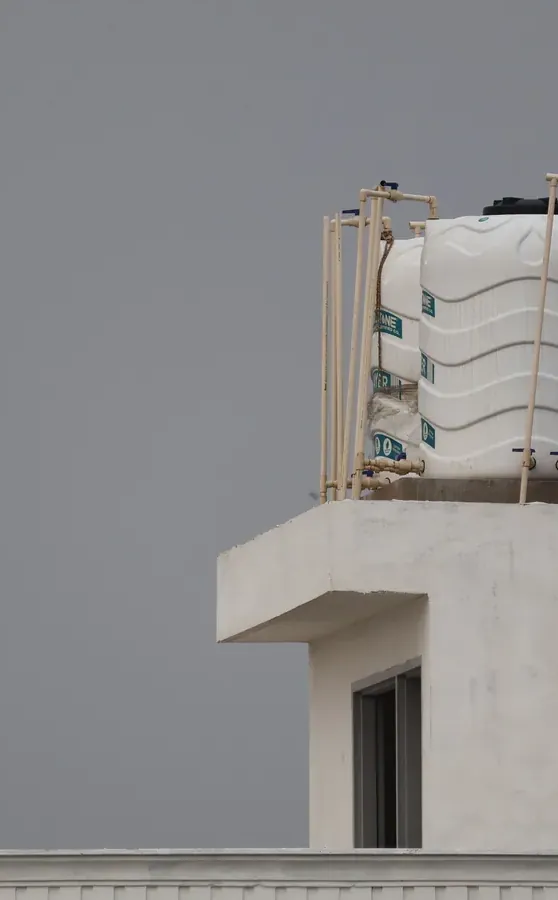
Al Tadamun is a villa district of newer homes with private plots, gardens and swimming pools, each house with its own independent tank. The air is closer to the sea, humidity is high, and water drawn back from the garden and pool carries sand and algae that settle quickly at the tank bottom.
Green algae water appears quickly in tanks here, especially where gardens are watered heavily and the pool is refilled from the household tank itself. For the method itself, see how we approach water tank cleaning.
Large gardens and private pools draw water heavily, and if water returns from irrigation or the pool drains back into the tank, it carries sand, algae and leaves. Tanks here need more frequent cleaning than those in villas without large gardens or pools attached.
South Jeddah sits close to the sea, and high humidity helps green algae grow fast on tank walls. Black mould appears quickly in tanks with high humidity, heat and light. Warm water and no air circulation create ideal conditions for rapid biofilm buildup.
Heavy goods roads lie close to the district, and oily dust from truck exhaust clings to the tank surface and pipes. This dust can enter through openings and loose lids, leaving an oily film on top of the water that must be removed.
A newer administrative villa district in south Jeddah between the sea and heavy goods routes, with high coastal humidity and oily dust from diesel vehicles that clings to the tank exterior.
Tank inspection starts outside: we check the lid seals tightly, has no gaps, and pipes from the garden or pool are fully separated from the household tank inlet.
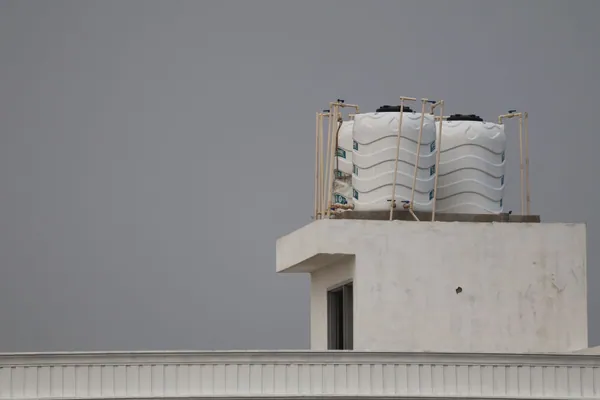
Complete draining removes algae laden water, and silt from garden return pipes; pumping takes longer where coastal humidity has thickened sediment deposits.
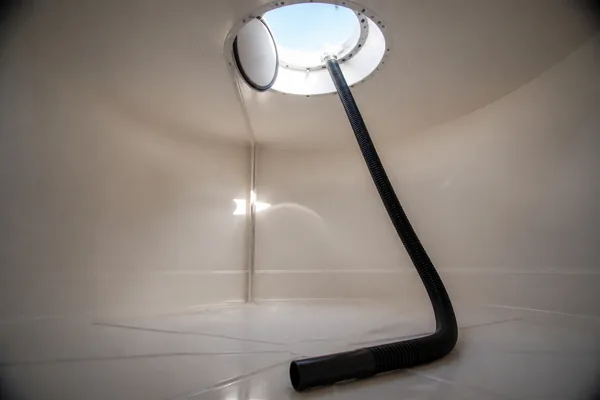
Sediment vacuumed from the floor removes dead algae, sand, silt from irrigation return and fallen leaves from the garden that have drifted into the tank.
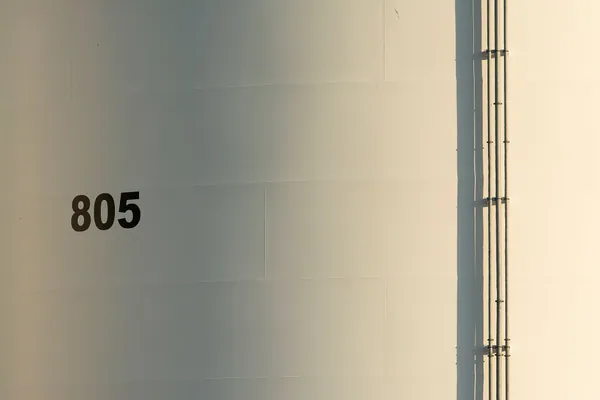
Scrubbing the walls removes green algae and black mould spots that grow fast in high heat, humidity and light conditions on tank surfaces.
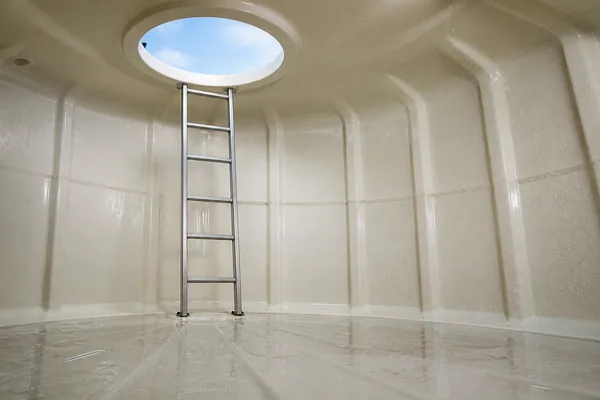
Disinfection kills algae, mould and bacteria, and is safe for use in swimming pools and garden irrigation systems supplied from the tank.
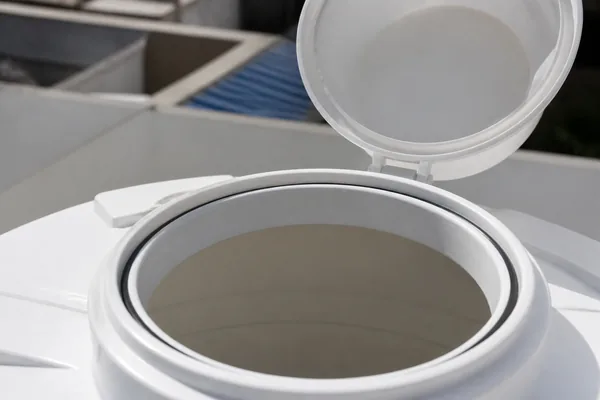
Final rinse and lid check ensure the water is clear, and the seal is tight so no light or sand from the garden can enter the tank again.
The supply into the tank is shut and the tank is drained completely.
The sludge on the floor is scooped and pumped out first.
The biofilm on the walls is physically scrubbed off.
With the walls and floor clean, a disinfectant made for drinking-water storage is applied and given time to act on every surface.
The disinfectant and any loosened residue are rinsed down and pumped out, so the first tank of water after us is not carrying it.
We check the cover seal and inlet before refilling, so dust and insects stay out, then start the refill while you watch it run clear.
Villas in Al Tadamun lie between Al Lith Road on one side and the Middle Ring Road on the other, set back from Jeddah Islamic Port which lies on the coast. We reach each villa from its own private street, and rooftop tanks sit away from the main traffic routes.
Pumps to clear sludge, scrubbing to remove biofilm, and disinfectant meant for potable storage.
We send a team, not one person, so a tank is drained, cleaned, disinfected and refilled in a single visit rather than left open for days.
We look at the lid seal and inlet, because a tank that got dirty fast usually has a way in.
Nothing is closed until the tank is refilling and you have seen the water run clean.
Photographs from real jobs carried out by the crew.












The commitment is simple enough to actually keep: we do not leave until the tank is disinfected, refilling, and you have seen it for yourself.
South Jeddah runs from the port and the industrial city down towards Al Khumrah, and homes here sit between the sea and the heavy goods roads. The dust is darker and oilier than in the north, a mix of diesel soot and workshop grit, and it clings to net curtains, window sills and the tops of kitchen cupboards. Floors in the older low rise housing are often plain cement or ceramic tile that darkens where soot is walked in. Humidity from the coast adds mildew in bathrooms and a musty smell in stored fabrics.
We provide these in Al Tadamun too, and more than one can share a single visit.



