
The right gear for drinking water
Pumps to clear sludge, scrubbing to remove biofilm, and disinfectant meant for potable storage.
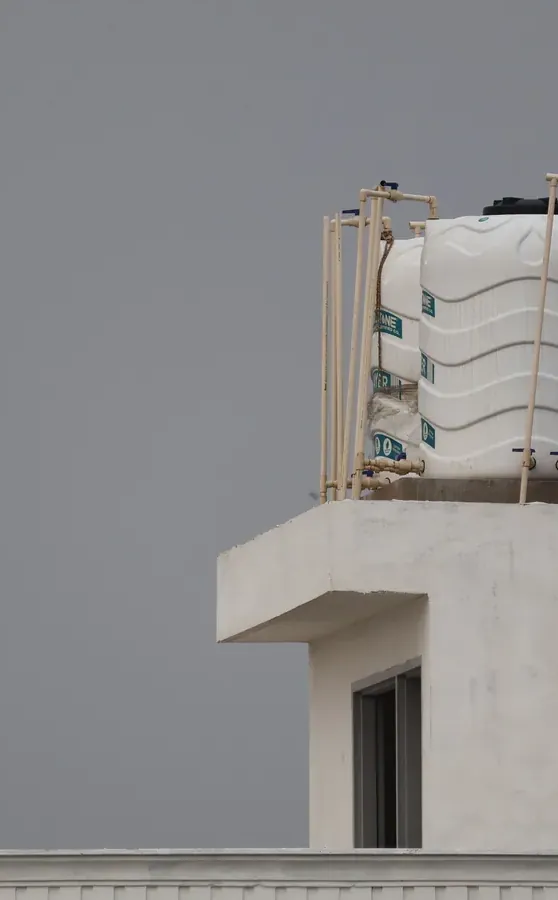
Al Sulaimaniyah is a residential district in eastern Jeddah along King Abdullah Road, built relatively recently with the Haramain high speed railway station standing within it. Tanks here are modern, yet the station introduces metallic dust from braking systems and daily machinery that settles gradually into the water system over time.
Tanks here are modern in design but proximity to the railway station means metallic dust and machinery oil enter the air and water gradually with each day. For the method itself, see our water tank cleaning service in detail.
The Haramain station runs large trains with aggressive braking and constant mechanical activity. Dust from brake pads and wheel friction rises into the air and falls across the district. An open tank collects this dust rapidly even under a cover. Regular cleaning protects the water.
The station has buses, cars and daily machinery movement; oil enters the air with dust. The tank collects all of it in the water. Cleaning removes light oil from the surface and disinfection eliminates any residue.
Al Sulaimaniyah sits close to the corniche, and damp salty air accelerates rust on metal lids. Even a new tank may allow moisture to seep through ventilation holes. Lid checks and disinfection prevent humidity and salt minerals entering.
Al Sulaimaniyah lies in eastern Jeddah along King Abdullah Road, with recently built villas and apartment blocks, a district park and health centre, and the Haramain railway station located inside the residential area.
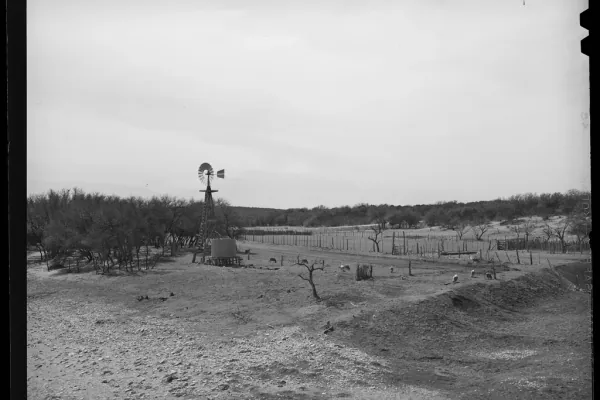
The tank may be new but close to the railway station; we inspect carefully to measure how much metallic dust it has accumulated from daily operations.
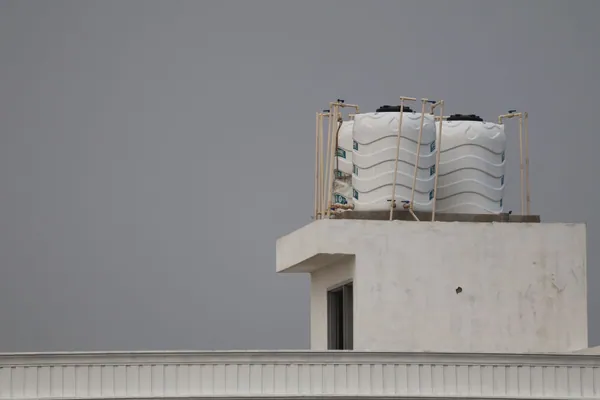
Water drains completely so we remove all dust from the floor, using strong pumps to extract heavy metal deposits.
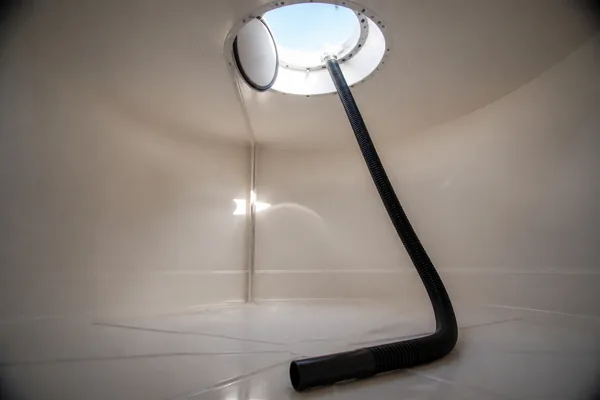
Metal dust is heavy and sharp; we hand suction it strongly rather than stirring, as it may resuspend in water.
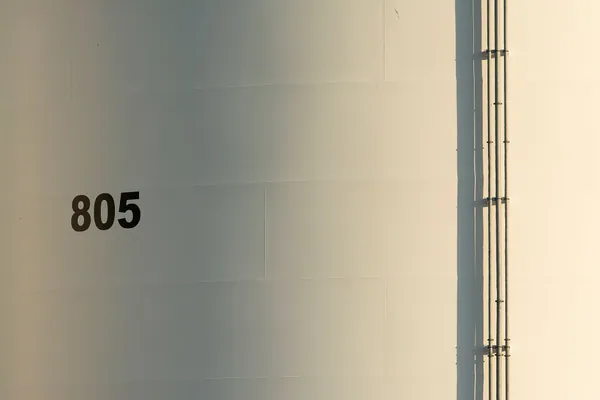
Walls and floor are scrubbed with stiff brushes because metallic dust adheres strongly to interior surfaces.
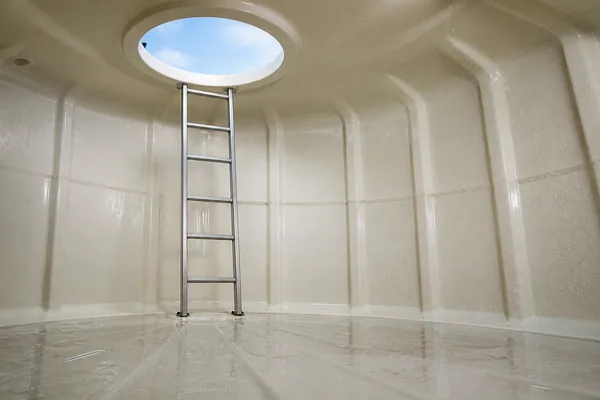
Disinfection focuses on removing bacteria that have grown in the oil and settled dust.
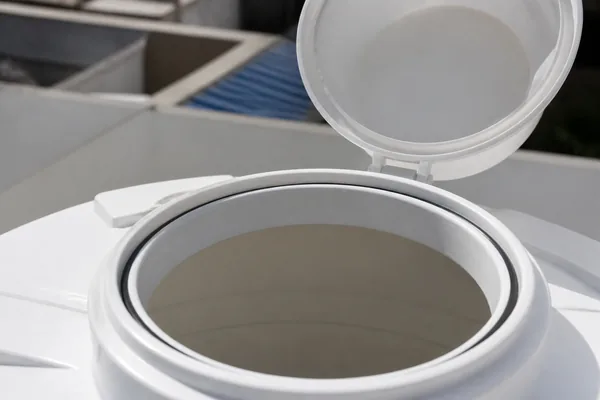
The lid is checked closely because ventilation holes may have become blocked by dust; we clear and repair them.
The supply into the tank is shut and the tank is drained completely.
The sludge on the floor is scooped and pumped out first.
The biofilm on the walls is physically scrubbed off.
With the walls and floor clean, a disinfectant made for drinking-water storage is applied and given time to act on every surface.
The disinfectant and any loosened residue are rinsed down and pumped out, so the first tank of water after us is not carrying it.
We check the cover seal and inlet before refilling, so dust and insects stay out, then start the refill while you watch it run clear.
Al Sulaimaniyah sits about 1.5 km from Al Sulaimaniyah East and about 2.5 km from Al Naseem.
Open in Google MapsPumps to clear sludge, scrubbing to remove biofilm, and disinfectant meant for potable storage.
We send a team, not one person, so a tank is drained, cleaned, disinfected and refilled in a single visit rather than left open for days.
We look at the lid seal and inlet, because a tank that got dirty fast usually has a way in.
Nothing is closed until the tank is refilling and you have seen the water run clean.
Photographs from real jobs carried out by the crew.












The commitment is simple enough to actually keep: we do not leave until the tank is disinfected, refilling, and you have seen it for yourself.
Mixed district: shops at street level with homes above them
Al Sulaimaniyah is a newly built district beside a railway station with daily operational activity: the tank faces continuous exposure to metallic dust and machinery oil, and cleaning focuses on removing this dust and oil before it causes health issues or water smell.
We provide these in Al Sulaimaniyah too, and more than one can share a single visit.



