
The right gear for drinking water
Pumps to clear sludge, scrubbing to remove biofilm, and disinfectant meant for potable storage.
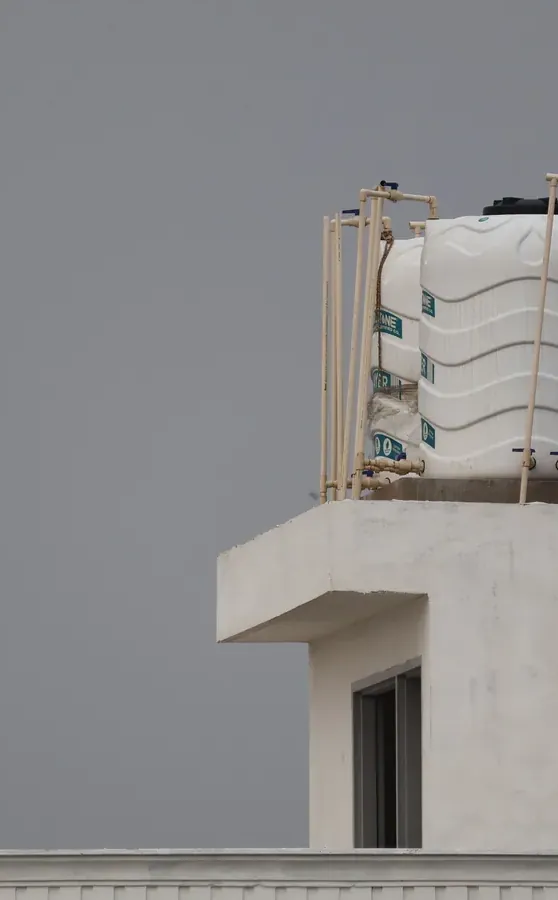
Al Rabwah is an established old district with villas on large plots and apartment blocks mixed together, shops beneath the flats and public gardens between the streets. Tanks here age with the buildings. Old pipework leaves rust marks and thick mineral scale on the walls, and the tanks may sit tucked below stairs or against garden walls.
Tanks in older villas may be built into the foundation directly or squeezed into tight spaces, and the water from the main roads carries the dust of heavy traffic. For the method itself, see the full water tank cleaning page.
Several flats may feed from one tank. Before we start, we confirm approval from the building management and owners, and we never cut water to one flat because another needs cleaning.
Old pipes leach calcium and heavy minerals into the water. Walls and floor carry white and green deposits built up over years, needing heavy scrubbing and sometimes chemical treatment to remove.
A villa from the 1980s or 1990s may have its tank under the stairs or in a narrow gap behind the garden wall. We measure the space and bring equipment that fits through doors and narrow gaps.
A long established district between King Fahd Road and the northern reaches, with villas and apartment buildings sharing the neighbourhood, served by medical clinics, schools and a historic mosque.
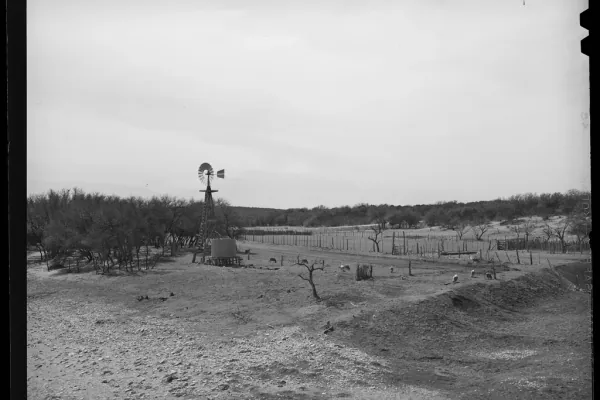
Shared tanks between flats need written approval from the building council or owners before work begins; we document consent in writing.
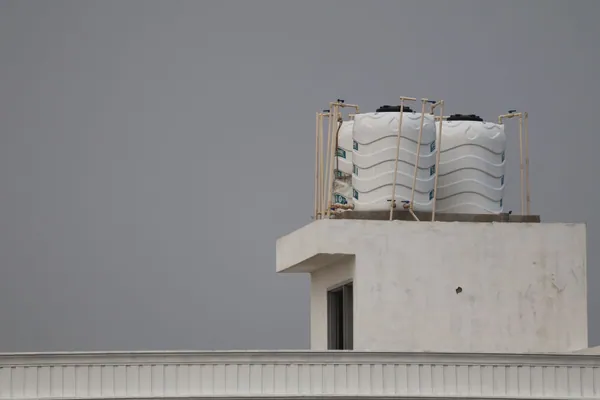
Water from the main road carries heavy traffic dust and trace metals; we drain it fully and never leave a small amount behind.
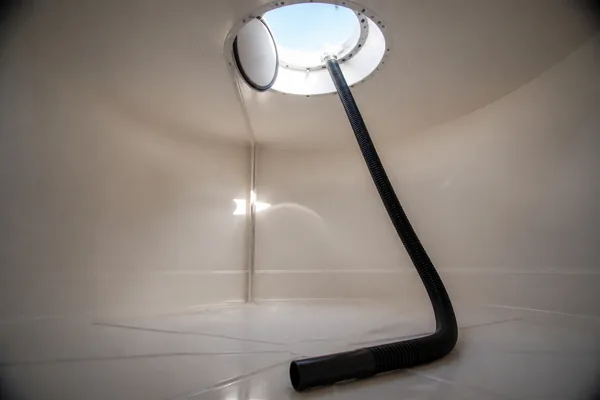
Old mineral scale needs soaking and hard scrubbing; we may use a weak food-safe acid and rinse thoroughly to clear built up deposits.
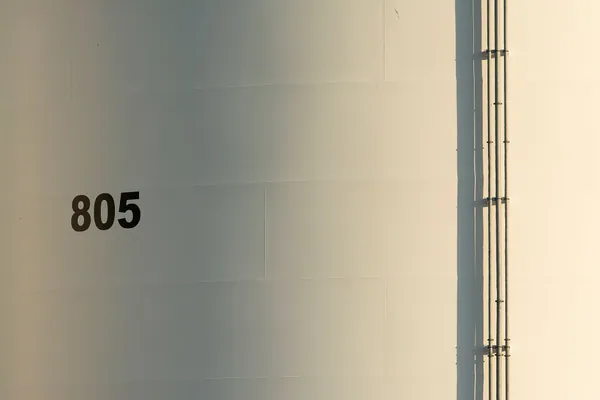
Walls and corners in old tanks may be cracked; we scrub carefully so as not to widen cracks or damage the structure.
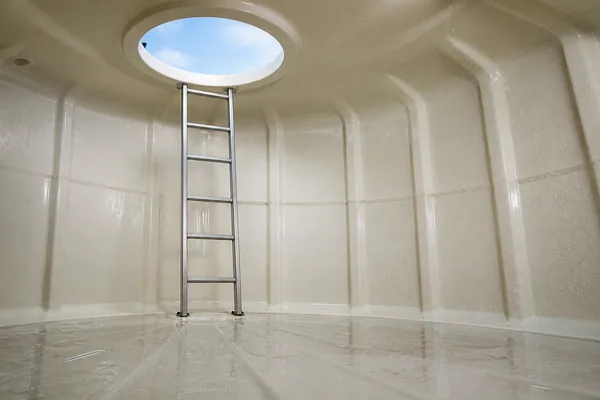
Disinfectant needs longer contact time in old tanks because the surface is rough and porous; we allow a full hour for the chemical to work.
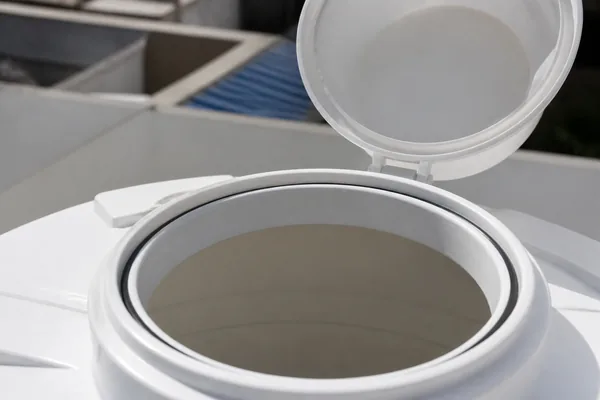
The old lid may be concrete or brittle material; we inspect it carefully and recommend replacement if it is damaged or unsafe.
The supply into the tank is shut and the tank is drained completely.
The sludge on the floor is scooped and pumped out first.
The biofilm on the walls is physically scrubbed off.
With the walls and floor clean, a disinfectant made for drinking-water storage is applied and given time to act on every surface.
The disinfectant and any loosened residue are rinsed down and pumped out, so the first tank of water after us is not carrying it.
We check the cover seal and inlet before refilling, so dust and insects stay out, then start the refill while you watch it run clear.
Pumps to clear sludge, scrubbing to remove biofilm, and disinfectant meant for potable storage.
We send a team, not one person, so a tank is drained, cleaned, disinfected and refilled in a single visit rather than left open for days.
We look at the lid seal and inlet, because a tank that got dirty fast usually has a way in.
Nothing is closed until the tank is refilling and you have seen the water run clean.
Photographs from real jobs carried out by the crew.












The commitment is simple enough to actually keep: we do not leave until the tank is disinfected, refilling, and you have seen it for yourself.
Mixed district: shops at street level with homes above them
Mixed housing means both shared and private tanks, some tucked below stairs or in confined spaces. We confirm ownership approval before starting, and we never interrupt water supply to one household because of another.
We provide these in Al Rabwah too, and more than one can share a single visit.



