
The right gear for drinking water
Pumps to clear sludge, scrubbing to remove biofilm, and disinfectant meant for potable storage.
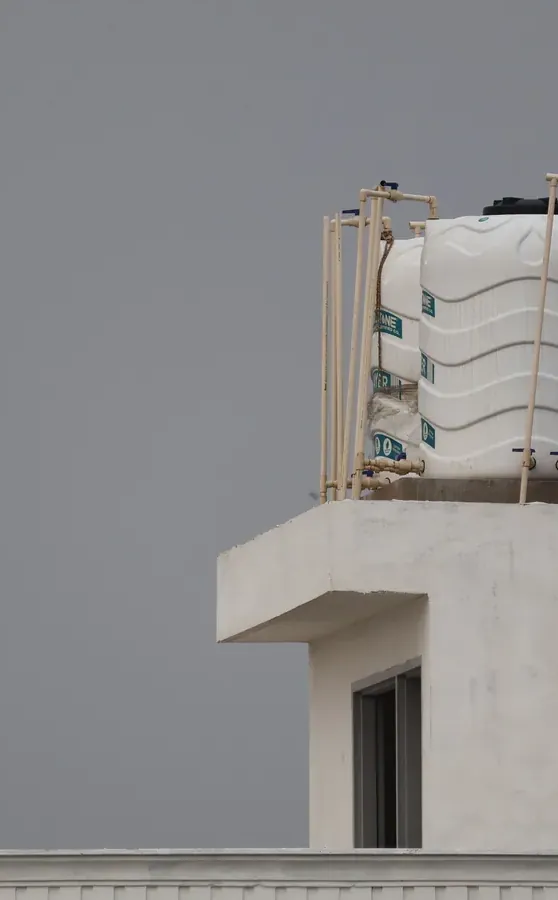
Al Marwah is a comparatively recent residential district in northern Jeddah between Prince Majid Road and Al Nuzhah Road, with new villas and apartment buildings bordering Al Safa and Al Rabwah. Marble and porcelain floors are standard, but the location between a main road and green spaces means dust from traffic and moisture from gardens settle on tanks simultaneously. High water use from gardens and irrigation stirs sediment constantly, and tanks here need regular cleaning to handle the mix of road dust and humidity.
Position between a main road and green spaces means dust from traffic and moisture from the park and private gardens settle on tanks simultaneously, exposing them to multiple contaminant types. For the method itself, see how we approach water tank cleaning.
Al Marwah lies between major roads, and dust from vehicle movement settles on exposed rooftop tanks. This dust mixes with garden humidity to form stubborn wet layers that are harder to clear than dry dust alone.
Prince Majid Park and the private gardens around villas mean high humidity and better dirt absorption. Biofilm grows faster here than in arid inland districts.
Most homes are recently built with marble floors and courtyards, and high consumption plus constant irrigation means sediment moves through the tank faster.
A comparatively recent district in north Jeddah between Prince Majid Road and Al Nuzhah Road, bordering Al Safa and Al Rabwah, with new villas and apartments and access to Prince Majid Park and Uthman ibn Affan Mosque.
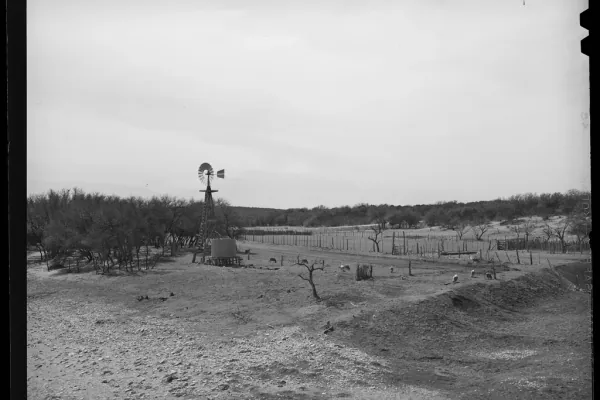
The team inspects the tank and assesses humidity levels and dust from surrounding roads and gardens.
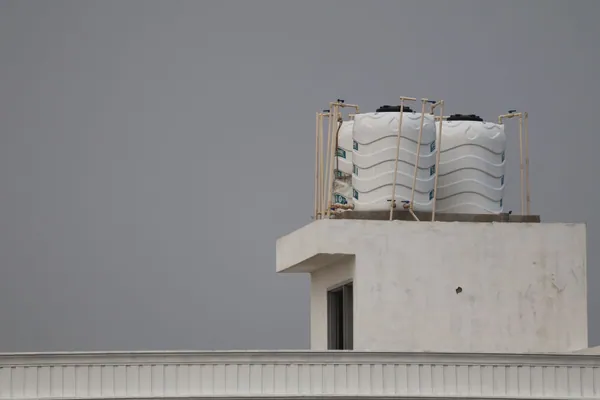
Drainage removes old water and sediment from high irrigation and domestic use.
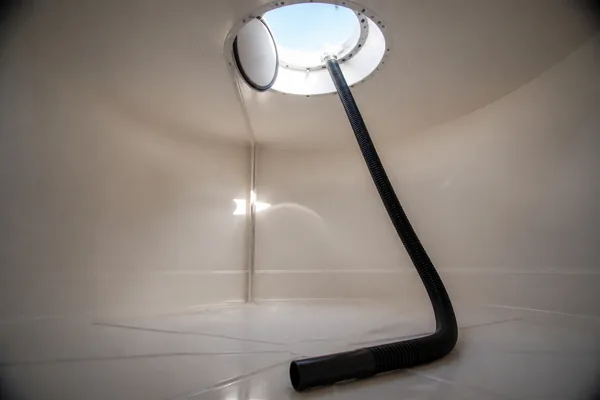
Sediment vacuuming focuses on removing floor deposits that have built up from high consumption.
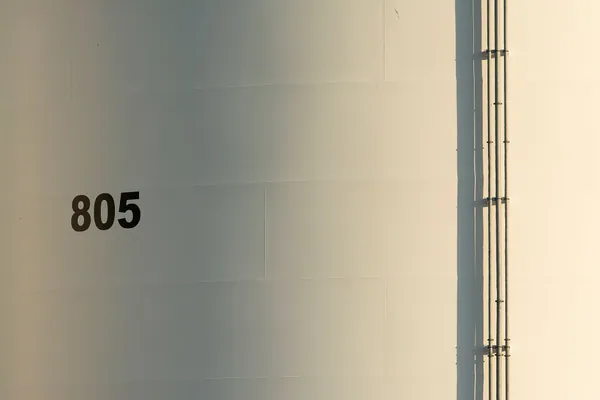
Scrubbing covers tank walls to clear biofilm, moisture and accumulated dust from surfaces.
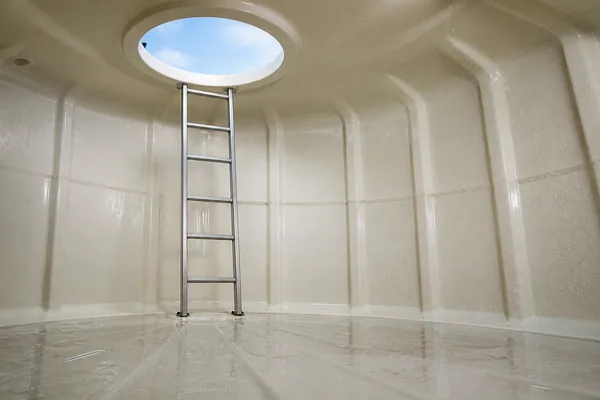
Disinfection follows complete cleaning and prevents bacterial regrowth in humid conditions.
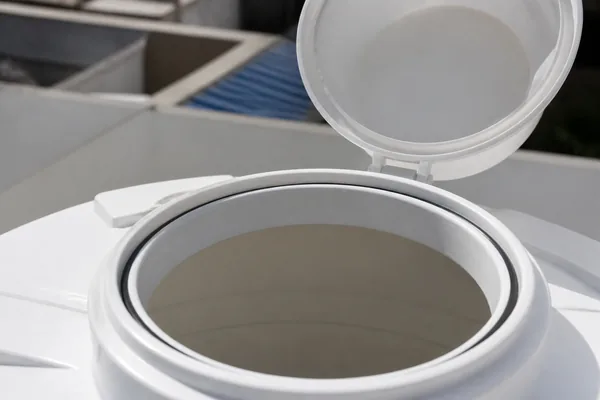
Final rinsing and inspection ensure all contaminants are removed, and the tank is left to dry in humid air.
The supply into the tank is shut and the tank is drained completely.
The sludge on the floor is scooped and pumped out first.
The biofilm on the walls is physically scrubbed off.
With the walls and floor clean, a disinfectant made for drinking-water storage is applied and given time to act on every surface.
The disinfectant and any loosened residue are rinsed down and pumped out, so the first tank of water after us is not carrying it.
We check the cover seal and inlet before refilling, so dust and insects stay out, then start the refill while you watch it run clear.
Pumps to clear sludge, scrubbing to remove biofilm, and disinfectant meant for potable storage.
We send a team, not one person, so a tank is drained, cleaned, disinfected and refilled in a single visit rather than left open for days.
We look at the lid seal and inlet, because a tank that got dirty fast usually has a way in.
Nothing is closed until the tank is refilling and you have seen the water run clean.
Photographs from real jobs carried out by the crew.












The commitment is simple enough to actually keep: we do not leave until the tank is disinfected, refilling, and you have seen it for yourself.
Tanks in Al Marwah are located near Prince Majid Park and Uthman ibn Affan Mosque, and the team reaches them via Prince Majid Road, which provides direct access from all parts of the district.
We provide these in Al Marwah too, and more than one can share a single visit.



