
The right gear for drinking water
Pumps to clear sludge, scrubbing to remove biofilm, and disinfectant meant for potable storage.
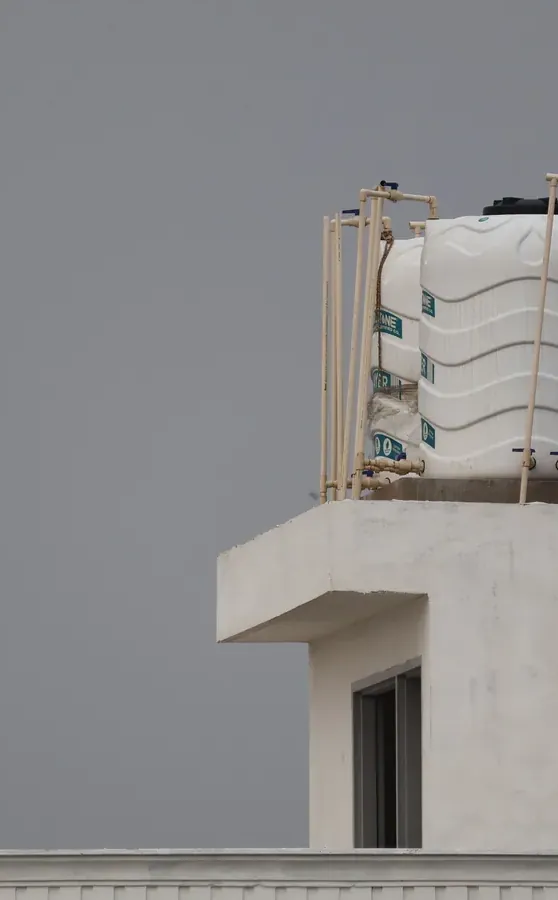
Al Bawadi is an established district between King Fahd Road and Madinah Road, its buildings a mix of furnished flats, hotels, shops and residential blocks. Tanks here serve a variety of units: a furnished apartment may sit above a spare parts shop beside a medical clinic, each using water in a different pattern and at a different rate.
Al Bawadi tanks need cleaning more often than ordinary residential districts because the higher water consumption speeds up sediment formation on the floor and walls. For the method itself, see our guide to water tank cleaning.
One tank may serve a hotel on the ground floor and furnished flats above it. The hotel uses water heavily in bathrooms and kitchens; the flats use less per unit but run occupied constantly. Before we disinfect, we need to understand this pressure pattern so we choose the right method.
Al Bawadi's older buildings have metal pipework that rusts, so rust particles appear in the cold water, and scale builds thick on tap aerators and around drains. The tank needs a full drain and strong disinfection to ensure the clean water does not pick up rust marks or scale deposits from the old pipes.
The district sits on a busy main road, so traffic dust enters the tank readily, especially if the lid is loose or cracked. We check the lid and every opening carefully, and may need to replace the lid itself if it is damaged or no longer seals.
The district neighbours the busy Quraish Street known for hotels and furnished apartments. Tanks here face sustained high consumption from tourists and temporary residents, raising the rate at which sediment and scale accumulate.
We inspect the tank before starting to learn how many units it serves and what the daily consumption pattern is, so we can judge sediment buildup and choose the right strength of disinfection.
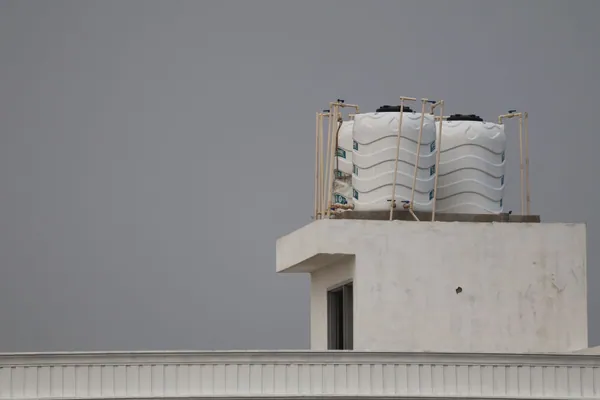
Full drain in mixed use buildings takes a little longer because we must ensure the water cut does not affect more than one type of business or resident at a time.
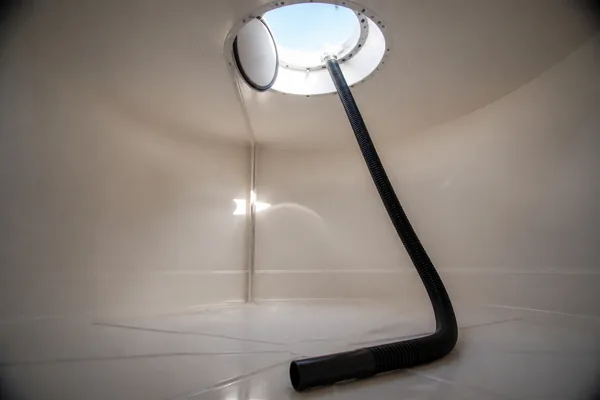
Sediment removal focuses on corners and the floor because high consumption lifts heavy material and calcium deposits to the bottom.
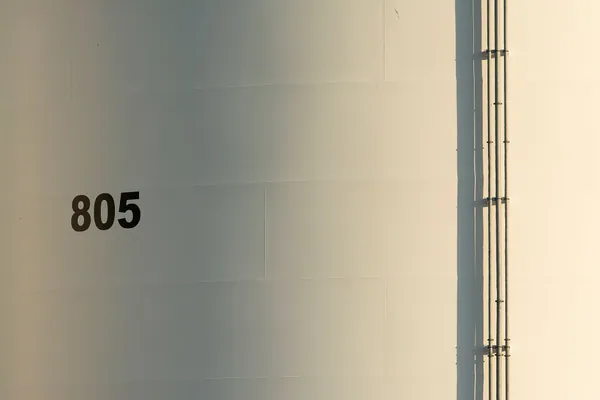
Walls and floor are scrubbed by hand because mineral scale and grease deposits from constant heavy use can be thick and stubborn.
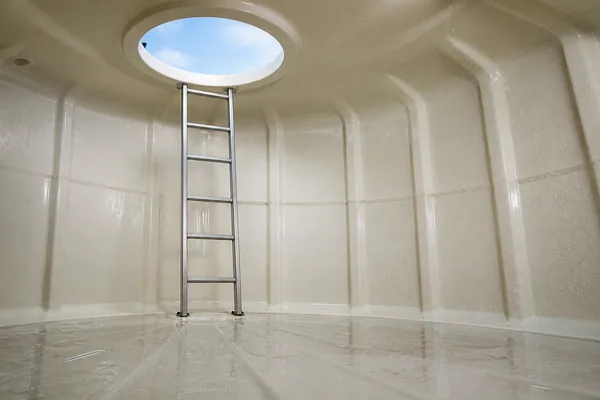
Disinfection uses strong products with enough contact time, because high consumption means more potential contaminants and a need for thorough coverage.
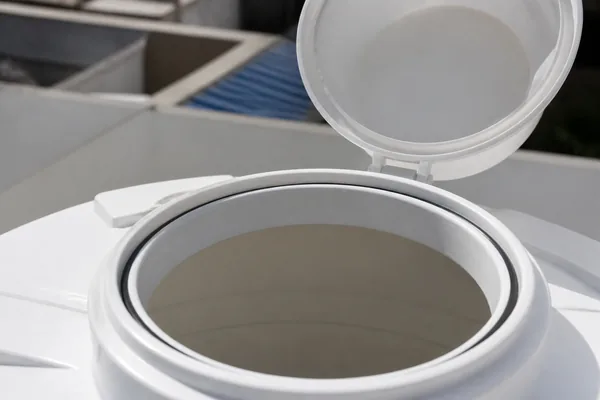
Final rinse is at least twice, and the lid is checked carefully since the district is on a main road and a damaged lid lets dust in.
The supply into the tank is shut and the tank is drained completely.
The sludge on the floor is scooped and pumped out first.
The biofilm on the walls is physically scrubbed off.
With the walls and floor clean, a disinfectant made for drinking-water storage is applied and given time to act on every surface.
The disinfectant and any loosened residue are rinsed down and pumped out, so the first tank of water after us is not carrying it.
We check the cover seal and inlet before refilling, so dust and insects stay out, then start the refill while you watch it run clear.
Al Bawadi stretches between Quraish Street, lined with furnished apartments and hotels, and King Fahd Road which bounds it to the east. A furnished flat or hotel on Quraish Street may sit above our route up King Fahd Road to reach the tank on the roof.
Pumps to clear sludge, scrubbing to remove biofilm, and disinfectant meant for potable storage.
We send a team, not one person, so a tank is drained, cleaned, disinfected and refilled in a single visit rather than left open for days.
We look at the lid seal and inlet, because a tank that got dirty fast usually has a way in.
Nothing is closed until the tank is refilling and you have seen the water run clean.
Photographs from real jobs carried out by the crew.












The commitment is simple enough to actually keep: we do not leave until the tank is disinfected, refilling, and you have seen it for yourself.
Central Jeddah is the old heart of the city: Al Balad with its coral stone houses, and the dense apartment quarters around it with shops beneath the flats. Floors here are often terrazzo or older ceramic tile, worn smooth and easily stained by cooking grease that drifts up from the street. Older kitchens and bathrooms carry heavy scale on taps and around drains, and pipework in the older blocks leaves rust marks in basins. Rugs and curtains take on the fine black dust of the main roads, so they need washing more often than elsewhere.
We provide these in Al Bawadi too, and more than one can share a single visit.



