
The right gear for drinking water
Pumps to clear sludge, scrubbing to remove biofilm, and disinfectant meant for potable storage.
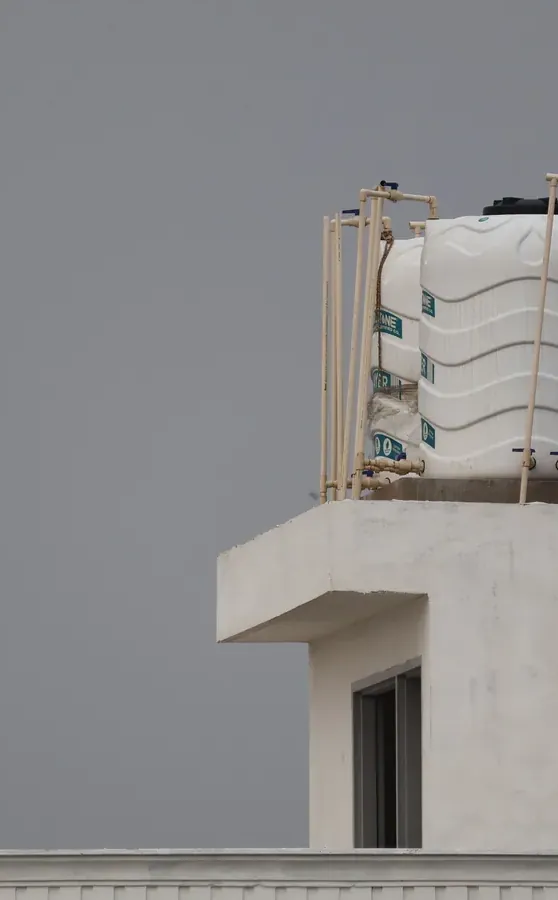
Al Muruj is a new development in Obhur Al Shamaliyah, with ongoing construction and vacant plots between the homes. Tanks here are often new, but continuous building work raises dust and sand everywhere. The water entering from the tap carries sand from construction sites, and the tank fills quickly with brown sediment from the ground being worked.
Tanks here are exposed to sand and particles from nearby construction sites, so sediment accumulates far faster than in fully developed districts where building has stopped. For the method itself, see our water tank cleaning service in detail.
Construction sites around Al Muruj raise dust, dirt and sand that enter the water tap and blow in on air. The tank fills with brown-grey sand from the work, and sediment becomes heavy and fast-building. Cleaning every few months may be necessary while building continues.
New villas may have new tanks, but the lid and seals may be loose from installation. Sand enters through small gaps, and water does not arrive clean. We inspect seals and lids and tell you if they are weak and need replacement.
Well water in a new district carries dust and fine gravel from the ground being developed. Before it reaches the tank, sand is already settling. Water entering the tank is not clean from the source because the district is still being built.
A newly developed area in Obhur Al Shamaliyah, mostly recently released land and housing within new urban development, served by main roads linking to Jeddah Madinah Road and King Abdulaziz Road.
We inspect the tank from outside and check the lid and seals carefully, asking about the water source and when the tank was last used or cleaned.
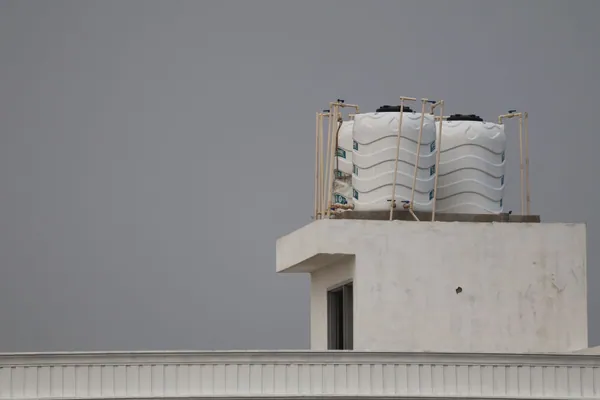
We drain all water fully from all external sources and confirm every inlet valve is closed to prevent fresh water entering.
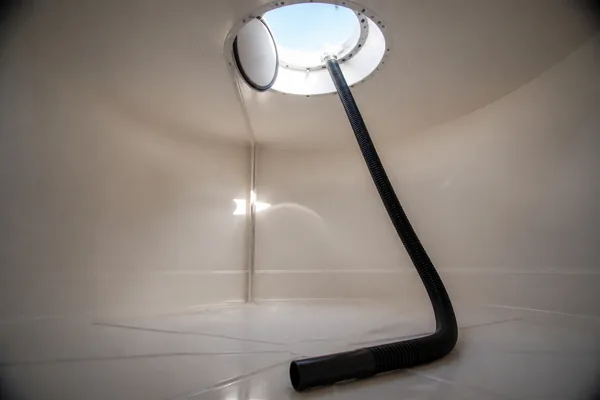
We vacuum sand and dust from the floor completely. Sand from construction sites is heavy and needs strong suction.
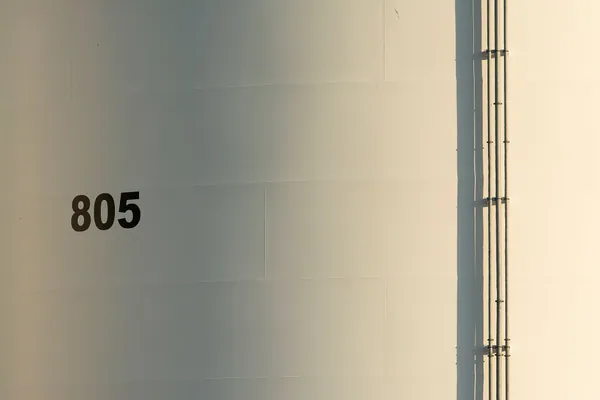
We scrub walls and floor hard. Sand may have adhered to walls due to moisture or earlier seepage.
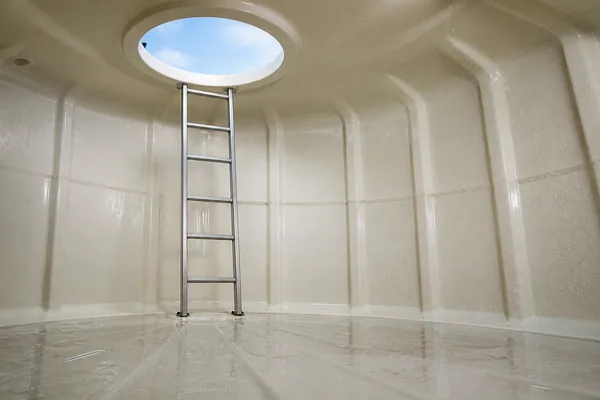
We disinfect with strong certified water-safe agents designed for drinking water.
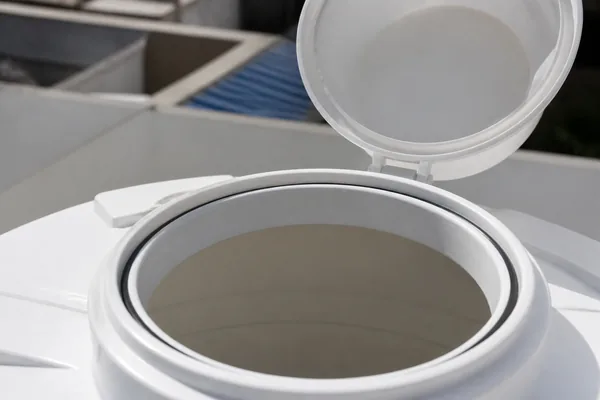
We rinse with clean water several times until no sand or dust remains, then refill slowly as you observe the water quality.
The supply into the tank is shut and the tank is drained completely.
The sludge on the floor is scooped and pumped out first.
The biofilm on the walls is physically scrubbed off.
With the walls and floor clean, a disinfectant made for drinking-water storage is applied and given time to act on every surface.
The disinfectant and any loosened residue are rinsed down and pumped out, so the first tank of water after us is not carrying it.
We check the cover seal and inlet before refilling, so dust and insects stay out, then start the refill while you watch it run clear.
Pumps to clear sludge, scrubbing to remove biofilm, and disinfectant meant for potable storage.
We send a team, not one person, so a tank is drained, cleaned, disinfected and refilled in a single visit rather than left open for days.
We look at the lid seal and inlet, because a tank that got dirty fast usually has a way in.
Nothing is closed until the tank is refilling and you have seen the water run clean.
Photographs from real jobs carried out by the crew.












The commitment is simple enough to actually keep: we do not leave until the tank is disinfected, refilling, and you have seen it for yourself.
New development: ongoing construction and vacant plots between the homes
New development means ongoing building and constant sand. Tanks here need cleaning far more often than finished districts, and raw water carries site dust. Disinfection may need to be more intense or frequent.
We provide these in Al Muruj too, and more than one can share a single visit.



