
The right gear for drinking water
Pumps to clear sludge, scrubbing to remove biofilm, and disinfectant meant for potable storage.
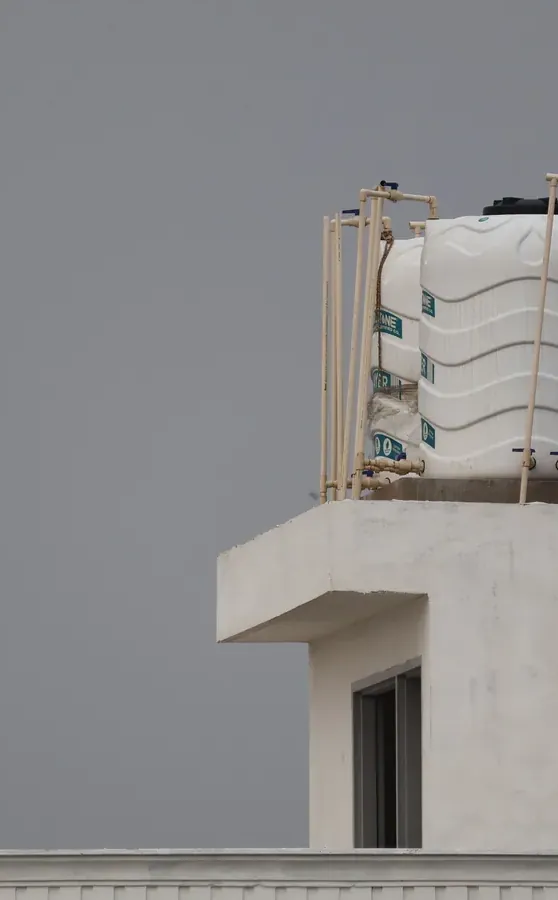
Al Fanar is a new development with construction ongoing and vacant plots still being filled. The tanks here fill from water that travels through pipes crossing land still under development, so sediment and cloudiness accumulate faster than they would in established districts. Your tank collects particles from newly paved roads and active excavations before the water reaches it.
Tanks here need cleaning more frequently than in older established areas because the water clouds quickly from airborne construction dust and fine grit. For the method itself, see our water tank cleaning service in detail.
The distribution pipes cross land that is still being excavated and built on. Water carries dust from newly laid roads and grit from the holes being dug. Your tank becomes a natural settling basin for all of this, and sediment builds rapidly on the floor. Flushing alone will not clear it; the tank must be drained and scrubbed.
Near Obhur and the bay, sea air carries salts that settle into open rooftop tanks. These salts react with suspended particles and speed up the thickening of the layer on the bottom. The scale hardens faster and bonds to surfaces more stubbornly than it does inland.
The newer homes here are large and open plan, and rooftop tanks face direct sun and seasonal humidity spikes. These conditions encourage algae and bacterial growth rapidly, especially in the warmer months. Biofilm establishes itself within weeks if the tank is not kept clear.
The area is undergoing continuous asphalting, paving and lighting of main streets, which increases dust and particles in both the air and the water supply.
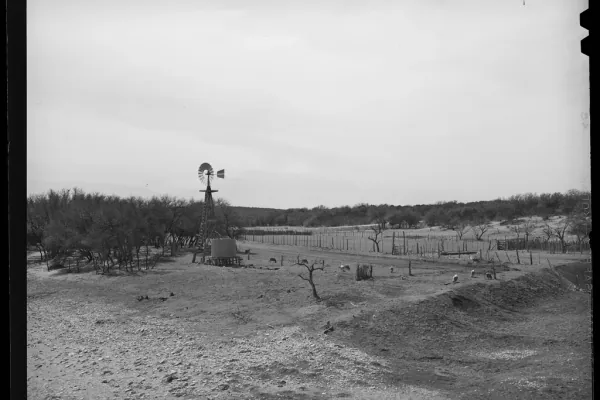
New tanks often have never been inspected since installation, so the initial check reveals small cracks, manufacturing defects or impact damage from transport and building site handling.
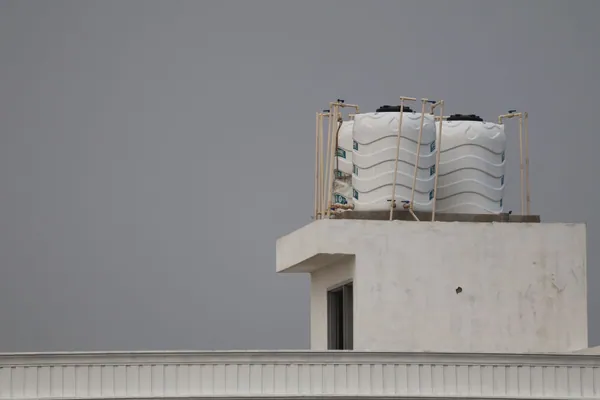
Full drainage is critical because standing water masks the heavy sediment buildup on the floor and the thick biofilm layer clinging to the walls where light has reached it.
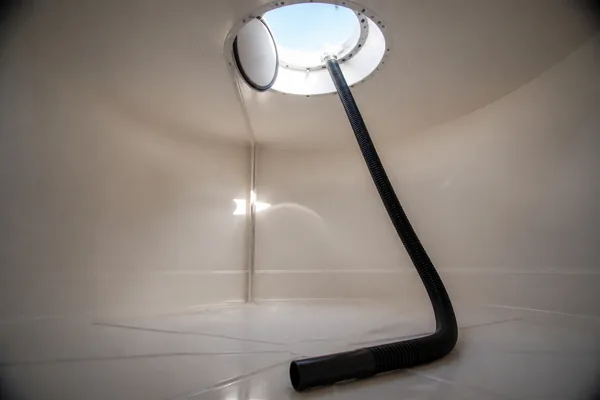
Sediment here is often heavier and more compacted than in older areas because of the high proportion of mineral particles coming from active building work and excavation.
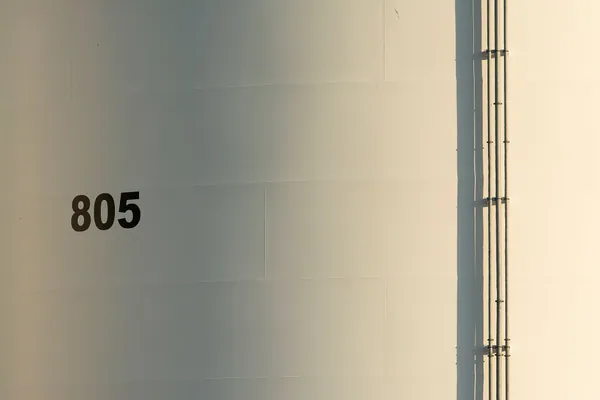
Walls and corners are scrubbed by hand to strip away the white layer of salt deposits and any green or brown algae that has begun to establish in the new tank.
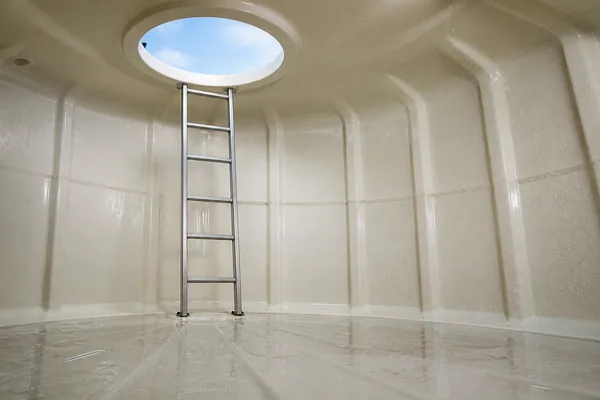
Disinfection requires sufficient contact time to reach every corner and dead zone, especially in large new tanks that have never been cleaned before and may have unreached pockets.
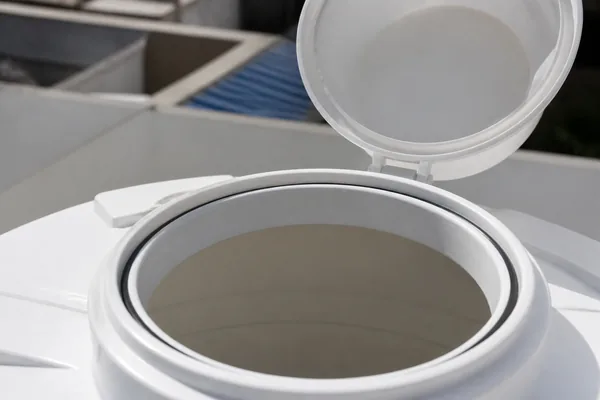
The new lid is checked for cracks, warping or improper installation that would allow dust and insects to enter between cleaning cycles.
The supply into the tank is shut and the tank is drained completely.
The sludge on the floor is scooped and pumped out first.
The biofilm on the walls is physically scrubbed off.
With the walls and floor clean, a disinfectant made for drinking-water storage is applied and given time to act on every surface.
The disinfectant and any loosened residue are rinsed down and pumped out, so the first tank of water after us is not carrying it.
We check the cover seal and inlet before refilling, so dust and insects stay out, then start the refill while you watch it run clear.
Al Fanar is served by Jeddah Madinah Road, which runs through the heart of the district, and Al Iman Park nearby provides a local landmark to pinpoint your location when the team coordinates arrival and access.
Pumps to clear sludge, scrubbing to remove biofilm, and disinfectant meant for potable storage.
We send a team, not one person, so a tank is drained, cleaned, disinfected and refilled in a single visit rather than left open for days.
We look at the lid seal and inlet, because a tank that got dirty fast usually has a way in.
Nothing is closed until the tank is refilling and you have seen the water run clean.
Photographs from real jobs carried out by the crew.












The commitment is simple enough to actually keep: we do not leave until the tank is disinfected, refilling, and you have seen it for yourself.
North Jeddah is largely newer villa districts and compounds around Obhur and inland from it. Homes here tend to have marble or porcelain floors, large windows and a garden or courtyard, so the routine is set by what comes in from outside: fine sand carried on sandals, and sprinkler spray that dries to a chalky ring on tiles. Near the creek and the coast, sea air leaves a faint salt film on glass and on outdoor cushions, which stiffens fabric. Curtains and upholstery in these open plan rooms catch the dust that settles overnight.
We provide these in Al Fanar too, and more than one can share a single visit.



