
The right gear for drinking water
Pumps to clear sludge, scrubbing to remove biofilm, and disinfectant meant for potable storage.
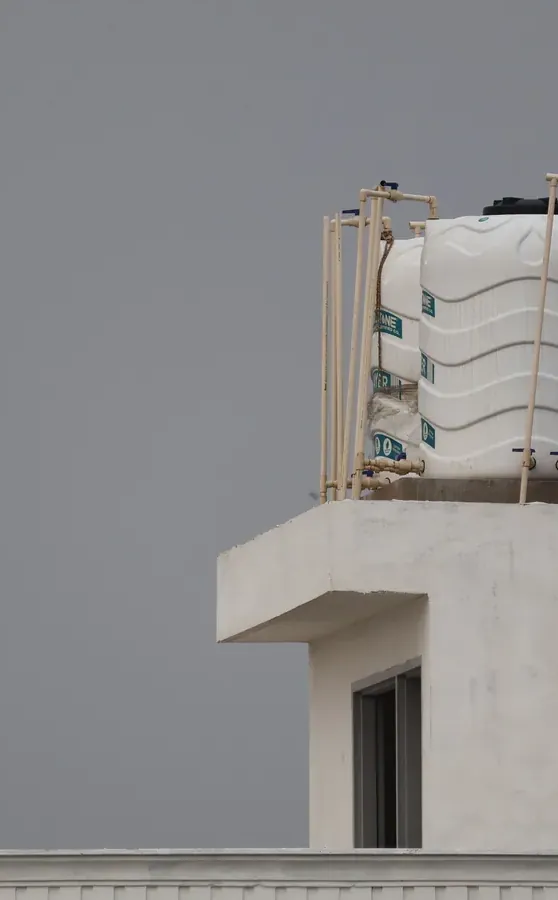
Al Asaliyah is a small locality on the outer south eastern edge of Jeddah, combining light residential development with open land along the corridor toward Bahrah and Makkah. The district is administered with Bahrah for local services. Tanks here collect dust from the Jeddah Makkah Expressway and exhaust from continuous heavy transport, and sea salt from the coast several kilometres away deposits lightly on tank walls. Water quality is affected by both industrial traffic and coastal moisture.
Tanks in Al Asaliyah face continuous environmental pressure from truck traffic and oily diesel dust, and proximity to the coast leaves faint salt deposits on every metal surface. For the method itself, see the full water tank cleaning page.
Al Asaliyah sits directly on the Jeddah Makkah Expressway, and heavy traffic is continuous without break. Black diesel soot enters the tank, and vibration from heavy vehicles may cause small cracks in the tank over years.
The locality is close to the shore and open sea, and humid air carries faint salt that deposits on the tank, cover and pipes. High humidity encourages rapid algae and bacteria growth. Water may carry a faint salty taste.
Al Asaliyah is a small, borderland locality administered with Bahrah for services, which may mean less attention to maintenance and cleaning. Tanks may not be cleaned regularly because administrative priorities often focus on larger or more central areas.
A small borderland district combining light residential building with open spaces, close to the Jeddah Makkah Expressway and Al Jumum Road. The position between the sea and major truck routes means continuous dust and salt generation.
Tank checked before we start: Al Asaliyah is a challenging location due to expressway proximity and coastal exposure. We inspect the tank carefully to assess impact of salt, dust and vibration on condition.
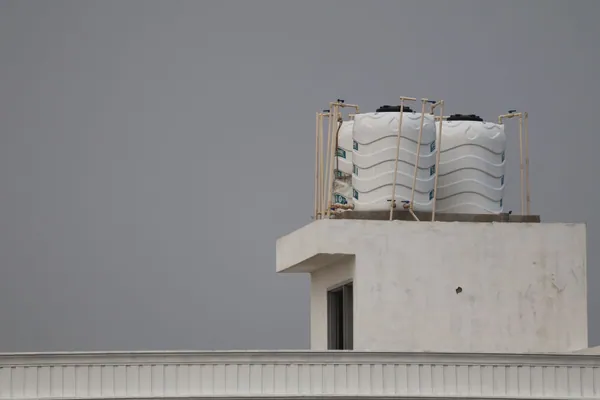
Old water drained out: water may carry odours from salt and diesel, and may be dark coloured. Safe complete evacuation is essential.
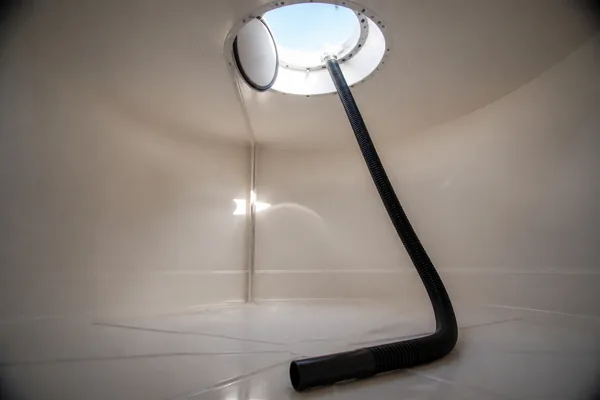
Sediment vacuumed from the bottom: sediment is a mix of salt, oily dust and mineral deposits. Deep powerful suction removes all of it.
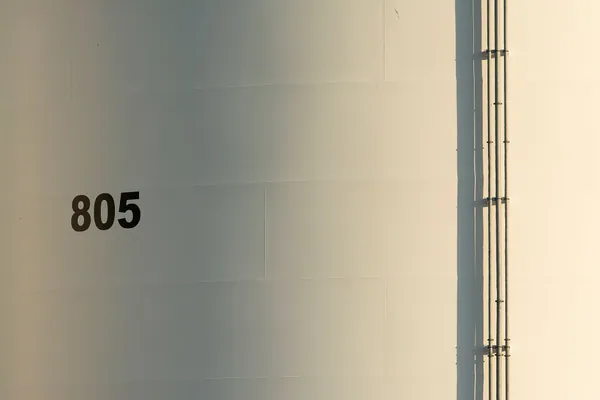
Walls and floor scrubbed: tank walls may hold a salt and oily film. Manual scrubbing removes this carefully without damaging the surface.
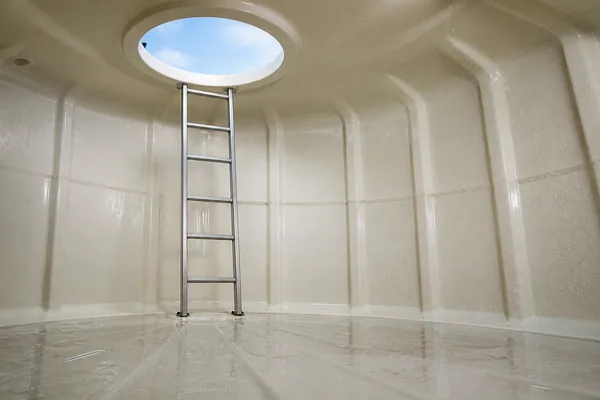
Interior surfaces disinfected: strong disinfectant kills bacteria and industrial pollutants. In a location near a major expressway, stronger disinfection may be needed.
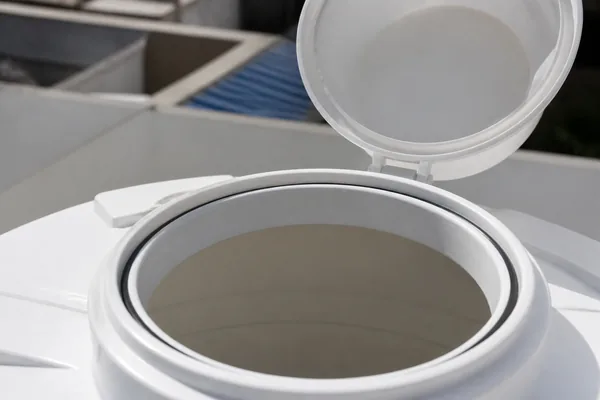
Final rinse and lid check: rinsing may require multiple passes to clear all salt residue and dust. The cover and seals are inspected carefully to identify gaps.
The supply into the tank is shut and the tank is drained completely.
The sludge on the floor is scooped and pumped out first.
The biofilm on the walls is physically scrubbed off.
With the walls and floor clean, a disinfectant made for drinking-water storage is applied and given time to act on every surface.
The disinfectant and any loosened residue are rinsed down and pumped out, so the first tank of water after us is not carrying it.
We check the cover seal and inlet before refilling, so dust and insects stay out, then start the refill while you watch it run clear.
Al Asaliyah lies directly on the Jeddah Makkah Expressway and near Al Jumum Road, and work here requires coordination with the sparse local population and awareness of continuous major road traffic.
Pumps to clear sludge, scrubbing to remove biofilm, and disinfectant meant for potable storage.
We send a team, not one person, so a tank is drained, cleaned, disinfected and refilled in a single visit rather than left open for days.
We look at the lid seal and inlet, because a tank that got dirty fast usually has a way in.
Nothing is closed until the tank is refilling and you have seen the water run clean.
Photographs from real jobs carried out by the crew.












The commitment is simple enough to actually keep: we do not leave until the tank is disinfected, refilling, and you have seen it for yourself.
South Jeddah runs from the port and the industrial city down towards Al Khumrah, and homes here sit between the sea and the heavy goods roads. The dust is darker and oilier than in the north, a mix of diesel soot and workshop grit, and it clings to net curtains, window sills and the tops of kitchen cupboards. Floors in the older low rise housing are often plain cement or ceramic tile that darkens where soot is walked in. Humidity from the coast adds mildew in bathrooms and a musty smell in stored fabrics.
We provide these in Al Asaliyah too, and more than one can share a single visit.



