
The right gear for drinking water
Pumps to clear sludge, scrubbing to remove biofilm, and disinfectant meant for potable storage.
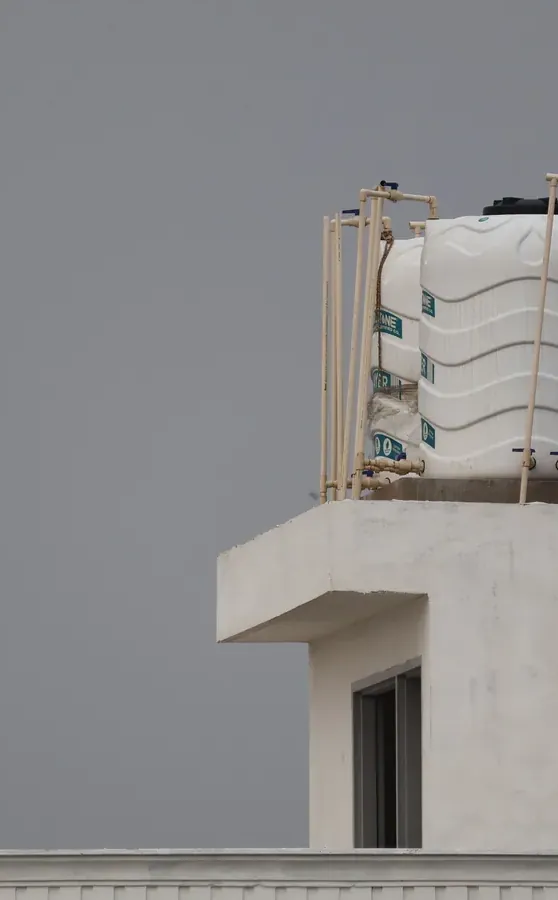
Al Amwaj is a northern coastal district where high humidity and salt-laden air accelerate algae growth and sediment buildup inside tanks. The villas and modern residential compounds here need their tanks cleaned more frequently than inland districts because salt and moisture speed contamination.
Tanks here require special care because sea salt and humidity make sediment more viscous, and algae grows faster on tank walls than in drier neighbourhoods. For the method itself, see what water tank cleaning involves.
Where light and moisture reach the tank walls together, green algae starts quickly. The water looks clear from outside but underneath is a slimy biofilm of algae and bacteria, especially during warm humid months when conditions favour rapid growth.
Salt-laden air carries microscopic salt particles that enter the tank with water and collect on the floor as a hard white layer. This requires strong suction and scrubbing to remove completely.
Beneath the lid and in tank corners where no light reaches, coastal humidity creates the ideal environment for mould and fungi that discolour the water and cause odours.
A coastal area between Obhur Road and Prince Abdulmajeed Road, with villas and new residential blocks and beach resorts, where constant humidity affects the quality of stored water.
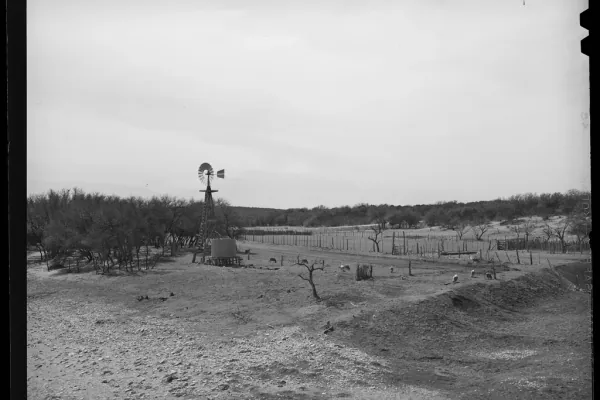
The tank here needs careful inspection before draining, especially to check for white salt deposits on the floor and walls.
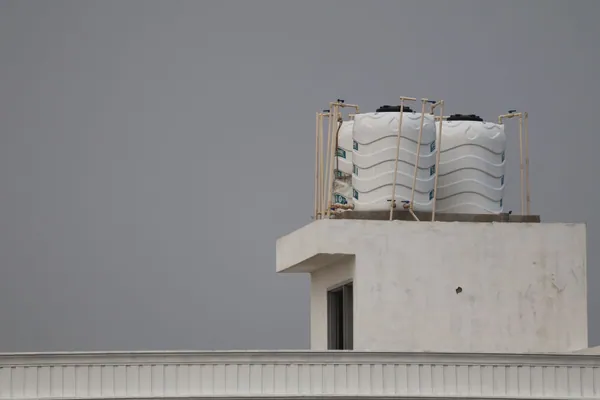
Draining large villa and compound tanks completely takes longer, and salt laden water leaves sticky residue behind.
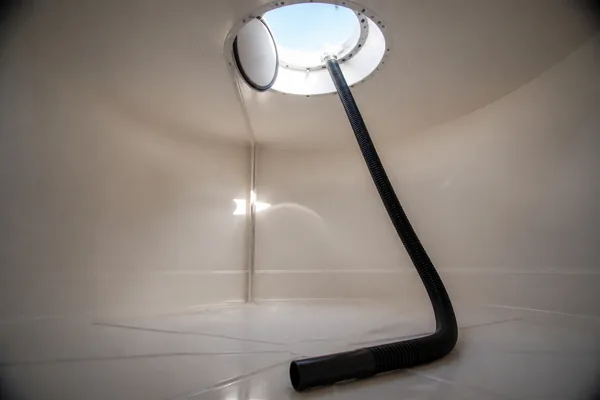
Sediment removal focuses on the white salt and algae layer on the floor, which requires strong suction pressure.

Wall scrubbing must be vigorous to remove stubborn algae and salt marks from the interior surfaces.
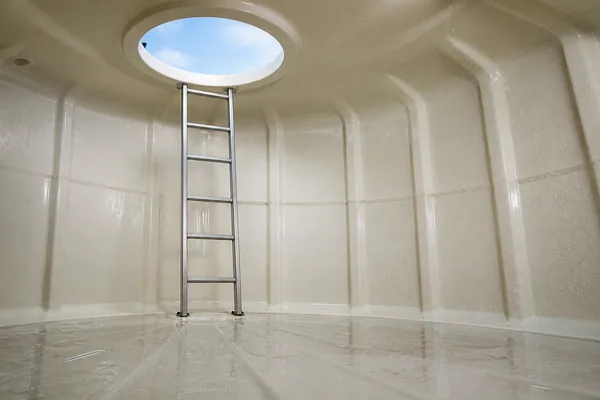
Disinfection is especially vital here because coastal humidity means bacteria and fungi thrive.
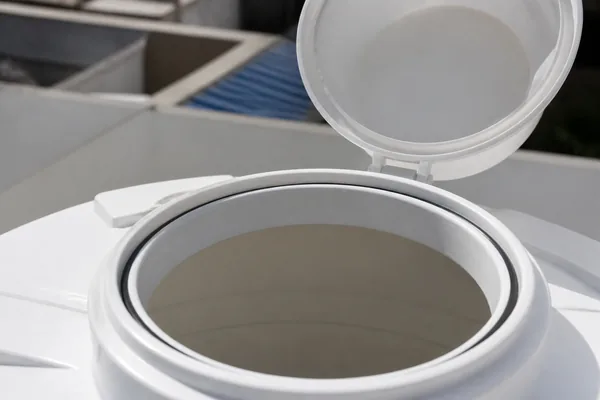
Final rinsing requires plenty of clean water to flush salt and mineral traces from the walls and floor.
The supply into the tank is shut and the tank is drained completely.
The sludge on the floor is scooped and pumped out first.
The biofilm on the walls is physically scrubbed off.
With the walls and floor clean, a disinfectant made for drinking-water storage is applied and given time to act on every surface.
The disinfectant and any loosened residue are rinsed down and pumped out, so the first tank of water after us is not carrying it.
We check the cover seal and inlet before refilling, so dust and insects stay out, then start the refill while you watch it run clear.
Coastal area: high humidity and salt air through the year
Coastal location means high humidity, salt air and faster contamination: tanks here need more care than inland tanks, and regular cleaning is essential to protect the water from salt and algae.
Pumps to clear sludge, scrubbing to remove biofilm, and disinfectant meant for potable storage.
We send a team, not one person, so a tank is drained, cleaned, disinfected and refilled in a single visit rather than left open for days.
We look at the lid seal and inlet, because a tank that got dirty fast usually has a way in.
Nothing is closed until the tank is refilling and you have seen the water run clean.
Photographs from real jobs carried out by the crew.












The commitment is simple enough to actually keep: we do not leave until the tank is disinfected, refilling, and you have seen it for yourself.
Al Amwaj lies between Obhur Road and Prince Abdulmajeed Road where they cross the coastal strip, and our team reaches the area easily via SOL Beach Resort and the surrounding streets.
We provide these in Al Amwaj too, and more than one can share a single visit.



