
We test before we treat
Reading the water first isn't optional to us.
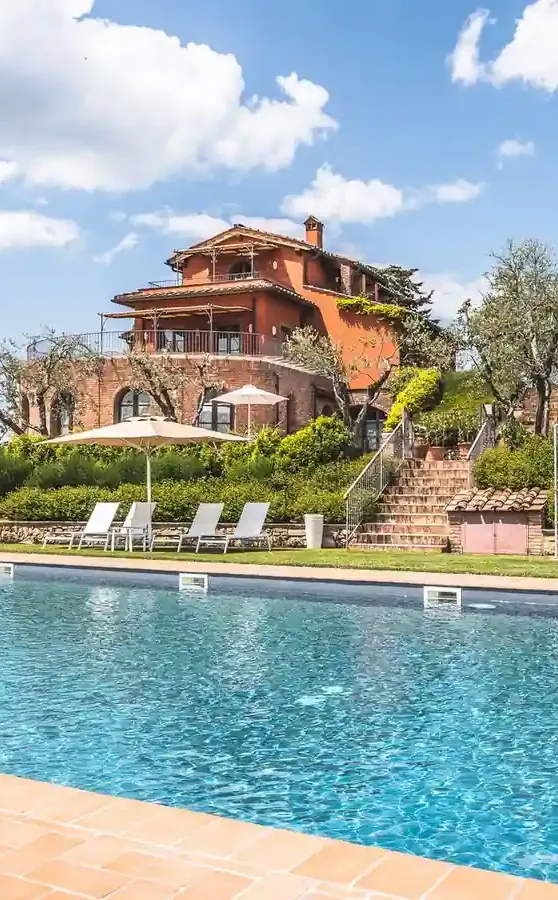
Al Rabie is a new district within Obhur Al Shamaliyah on the Jeddah Madinah Road, part of an urban tract still under development with vacant plots and ongoing construction surrounding the homes. Pools here sit in a landscape of bare ground and construction dust, and the water faces constant exposure to fine silica and airborne particles.
Emerging neighbourhoods in north Jeddah lack vegetation and are exposed, so wind carries sand from all directions with greater force than in densely planted areas. For the method itself, see how we approach swimming pool cleaning.
In a district under construction, no mature trees or landscaped gardens stop soil erosion. Sand lifts on any breeze and enters the pool directly; the water stays turbid even on calm days.
Very new homes still have curing concrete that sheds moisture and fine sand from beneath it. This enters the water from under the walls and increases turbidity from an additional direction.
An isolated new district with no dense building blocks means wind strikes the pool directly at full force, lifting fine sand easily and delivering it in high volume.
A newly developing district within Obhur's northern spread, served only by main roads with large stretches of open land around homes and pools that remain unplanted.
Testing starts with turbidity and sand load before testing chlorine, because the filter may already be blocked before chemistry matters.
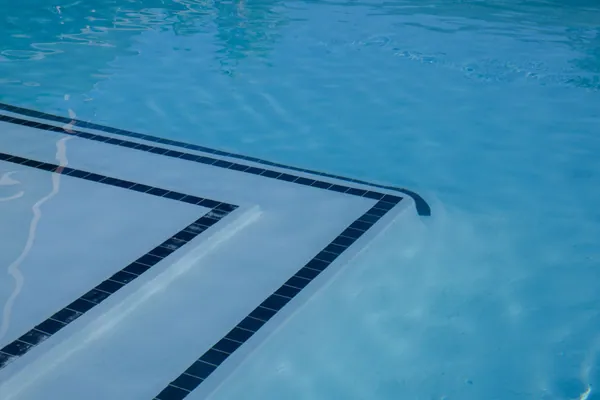
Brushing is gentle in Al Rabie because tile is new, but fine sand on walls needs a soft brush rather than vigorous scrubbing.
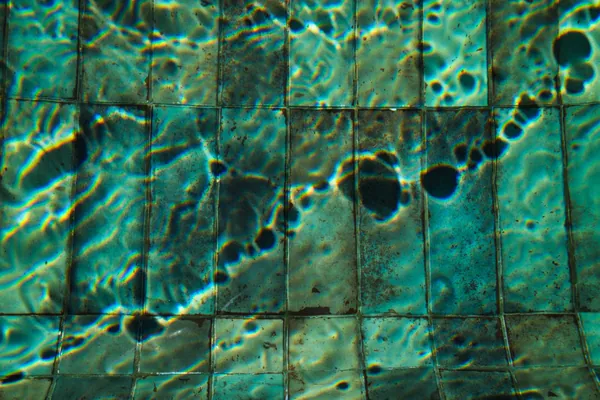
Vacuuming must run slower and deeper because fine sand settles quickly and requires thorough passes to lift completely.
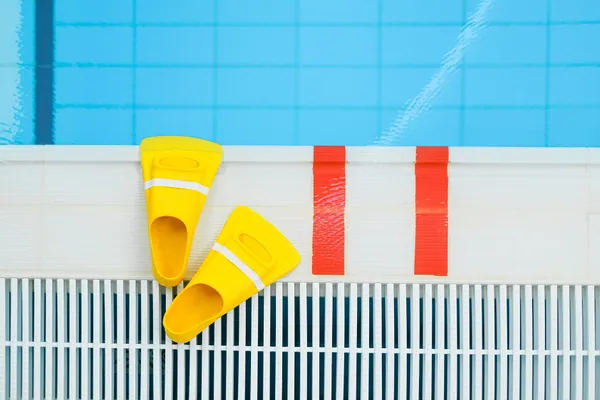
The skimmer and baskets fill with fine dust within days, so daily or every-other-day cleaning is routine, not weekly.
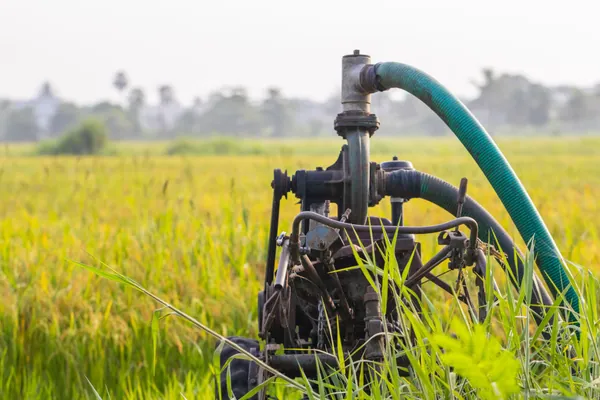
The filter requires very frequent backwash, possibly twice weekly or more during windy periods, to keep mesh open.
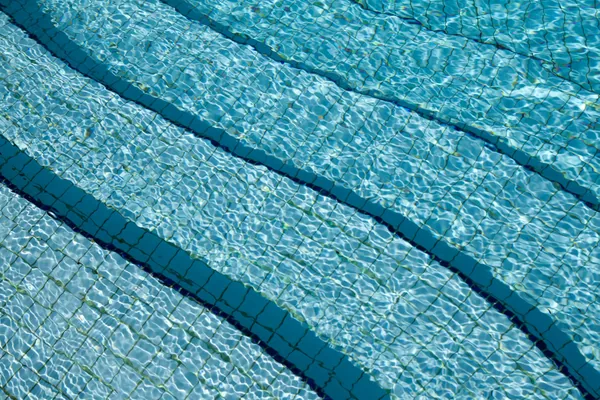
Chemical balance is straightforward here because the water is new, but turbidity may not clear for several days even with thorough treatment.
pH, sanitiser and hardness are read at the start.
Floating leaves and debris come off before we brush.
Algae and the oily waterline film cling to the surfaces.
Silt settles in the deep end and the corners the return jets never reach.
The skimmer and pump baskets are cleared and the filter checked or backwashed.
With the water clean, we balance and dose, then walk the pool with you before leaving.
New development: ongoing construction and vacant plots between the homes
A new development district means the home and pool sit surrounded by vacant plots and fresh foundations, exposing the water to repeated waves of sand, silica and groundwater seepage. Treatment here is not about chlorine alone but about managing continuous turbidity.
Reading the water first isn't optional to us.
The company runs a large crew, and we send a team rather than one person.
Pumps, vacuum heads and the test kit come with the team.
If the pump or the plumbing is the real problem, we tell you.
Photographs from real jobs carried out by the crew.












The commitment is simple enough to actually keep: we don't leave until you've seen the result and had your say on it.
North Jeddah is largely newer villa districts and compounds around Obhur and inland from it. Homes here tend to have marble or porcelain floors, large windows and a garden or courtyard, so the routine is set by what comes in from outside: fine sand carried on sandals, and sprinkler spray that dries to a chalky ring on tiles. Near the creek and the coast, sea air leaves a faint salt film on glass and on outdoor cushions, which stiffens fabric. Curtains and upholstery in these open plan rooms catch the dust that settles overnight.
We provide these in Al Rabie too, and more than one can share a single visit.



