
We test before we treat
Reading the water first isn't optional to us.
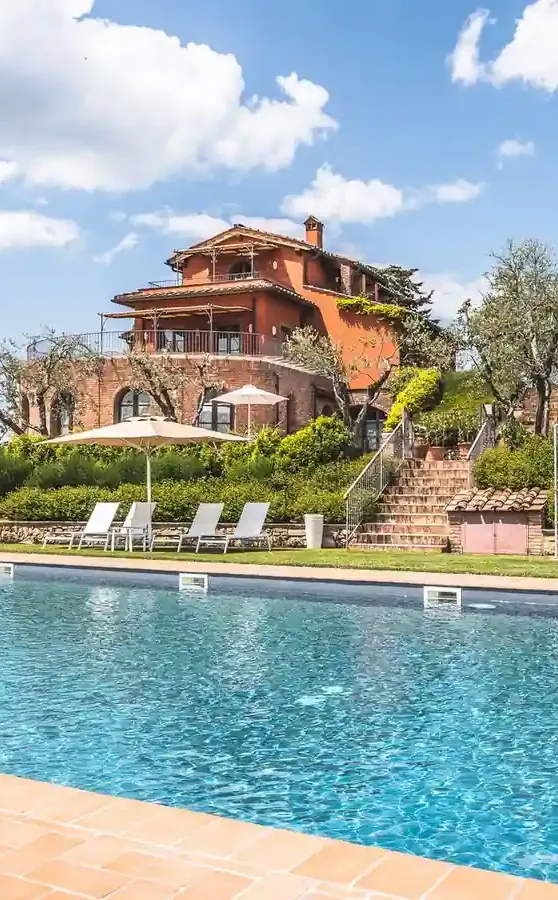
Al Hamdaniyah is a dense residential district east of the airport, packed with apartment blocks, villas and shops along main roads. Pools here sit between newer and older homes with high occupancy and constant activity. Water changes quickly as use peaks and cools, and chemical balance drifts faster than in quieter neighbourhoods.
Dense residential areas like Al Hamdaniyah show water chemistry shifts within hours of heavy family use, so testing becomes constant rather than routine. For the method itself, see our guide to swimming pool cleaning.
In a crowded residential zone, a pool sees intensive swimming and repeated irrigation water additions. Chlorine and pH drift quickly day to day, and testing before every dose is essential to avoid both green water and corrosive spikes.
Al Hamdaniyah sits in a denser area with higher moisture and reduced air movement between buildings. The filter becomes a breeding ground for microscopic algae, so backwash alone is not enough; anti-algal treatment between services keeps it stable.
Sunlight and shade move across the pool as the morning progresses, creating zones of different temperatures within the same water. Cool spots and hot spots react differently to chlorine, complicating chemical balance management.
A densely built spread between Al Hamdaniyah Street and Al Masurah Street, large shopping centres nearby, and the district sits on Al Haramain Road which carries dust and traffic noise.

Testing here prioritises pH first because constant use shifts it quickly, and dense-use pools need testing before every chlorine addition, not just once weekly.
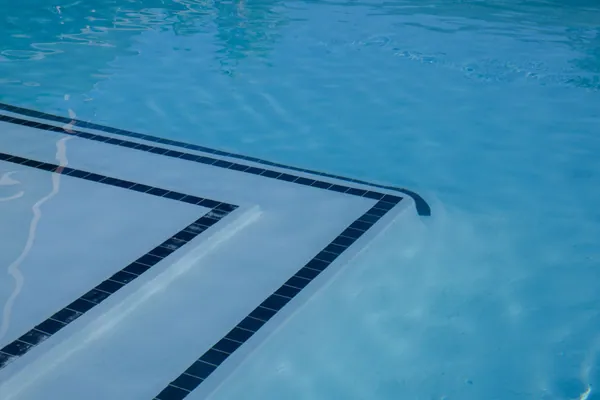
Brushing walls requires care because the district mixes old and new tile work, and vigorous scrubbing can strip or crack older surfaces.
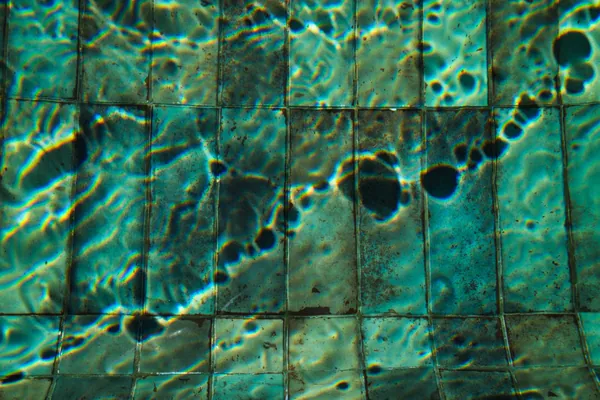
Vacuuming the floor runs slower here because high use means fresh debris settles daily, and ordinary passes leave sediment that only careful overlapping lifts.

The skimmer and baskets fill rapidly because wind between dense buildings carries more airborne particles and surface debris accumulates faster.

The filter needs frequent backwash and may require anti-algal treatment because humidity between buildings encourages biofilm growth inside the media.
Chemical rebalancing takes longer here because multiple variables interact: heat, high use, humidity and water circulation all shift the balance simultaneously.
pH, sanitiser and hardness are read at the start.
Floating leaves and debris come off before we brush.
Algae and the oily waterline film cling to the surfaces.
Silt settles in the deep end and the corners the return jets never reach.
The skimmer and pump baskets are cleared and the filter checked or backwashed.
With the water clean, we balance and dose, then walk the pool with you before leaving.
Mixed district: shops at street level with homes above them
A mixed district means the pool sits between flats and shops, so the household traffic and vibrant street activity affect water stability constantly. Every hour of use introduces new chloride demand and pH shift, making the pool unsuitable for a simple weekly cycle without mid-week monitoring.
Reading the water first isn't optional to us.
The company runs a large crew, and we send a team rather than one person.
Pumps, vacuum heads and the test kit come with the team.
If the pump or the plumbing is the real problem, we tell you.
Photographs from real jobs carried out by the crew.












The commitment is simple enough to actually keep: we don't leave until you've seen the result and had your say on it.
We reach pools in Al Hamdaniyah via Al Hamdaniyah Street or from Al Masurah Street, both busy with shop traffic and hypermarkets, so we schedule early morning calls before the commerce surge.
We provide these in Al Hamdaniyah too, and more than one can share a single visit.



