
We test before we treat
Reading the water first isn't optional to us.
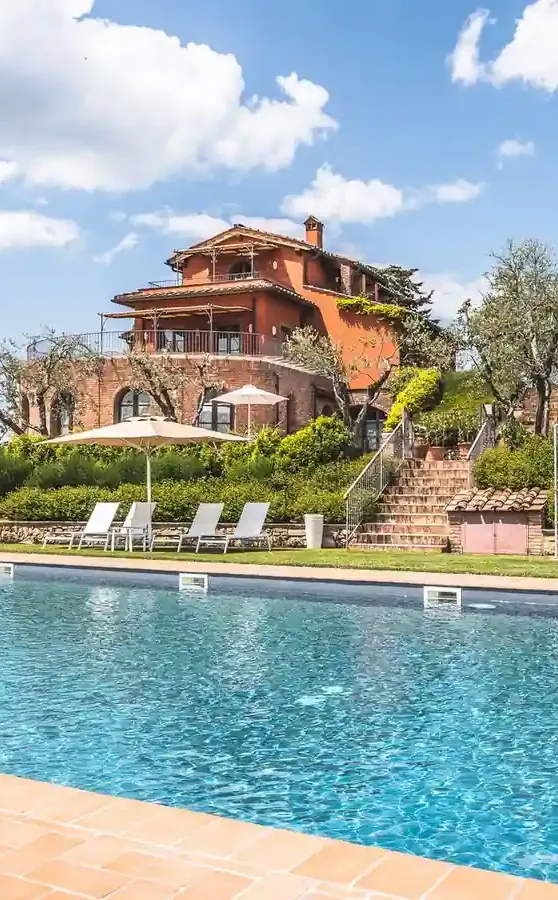
Al Bashaer is a new district in east Jeddah on the Asfan ring road: new villas and apartments beside rest houses and subdivisions still under construction. The district is distant from the sea and the air is drier, but proximity to inland mountains means coarse mountain dust rises constantly from bare ground. Ongoing construction, fine sand and mountain terrain create difficult conditions for new pools.
Pools in Al Bashaer face coarse and fine mountain dust together: the nearby hills and active construction elevate different types of dust simultaneously. For the method itself, see our guide to swimming pool cleaning.
Hills immediately to the east release coarse heavy mountain dust. This dust differs from sea dust: its particles are larger and heavier, settling to the floor quickly but clogging filter media in a distinctive pattern. Deep filter cleaning every week is essential.
Distance from the sea and proximity to the hills mean very dry air. Evaporation is rapid, and chlorine and alkalinity concentrate fast. Testing every three days is necessary, not weekly, because the chemistry shifts faster.
Neighbouring subdivisions under construction release additional cement and lime dust, mixing with the natural mountain dust. This combination clogs filters rapidly and leaves a grey layer on walls.
The district lies on the Asfan Ring Road in east Jeddah, distant from the coast and close to open ground and rocky formations. Most land and housing are still being released and built, and dust rises continuously from the changing terrain.

Water chemistry testing must occur at least every three days: dry air speeds evaporation and concentration dramatically.
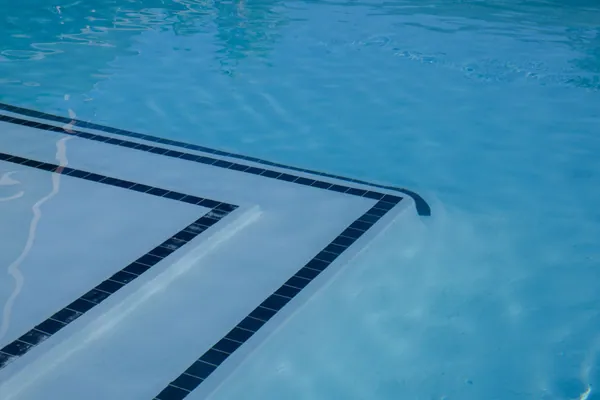
Wall scraping is weekly here: mountain dust and cement leave a thick grey layer that needs regular removal.
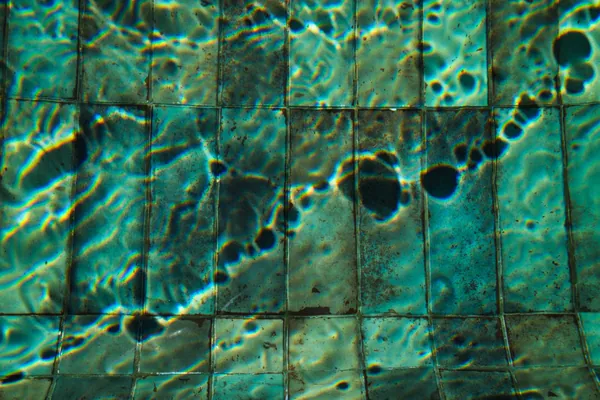
Floor vacuuming reveals heavy mountain sediment: most of it settles immediately, which is beneficial.
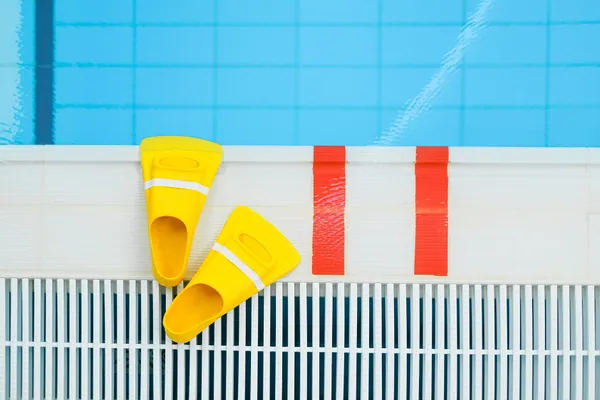
Skimmer and baskets fill with coarse mountain dust: cleaning every two days is necessary.
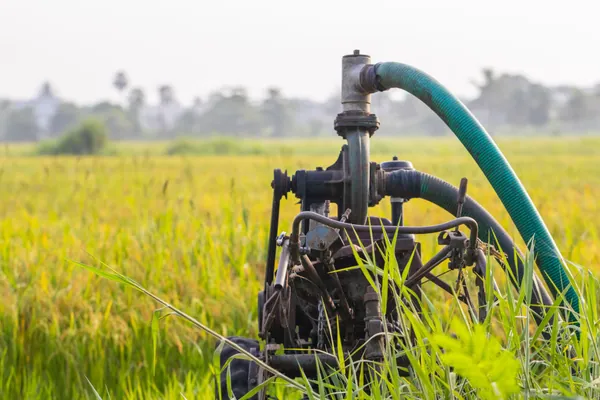
Filter backwash must be forceful and weekly: mountain dust and cement clog media at a notably rapid rate.
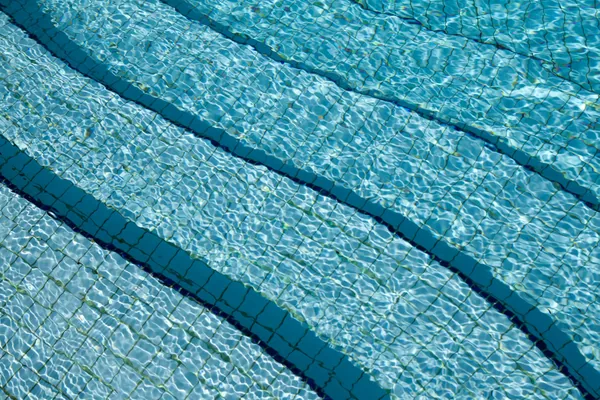
Chemical balance shifts very quickly: rapid evaporation and consumption demand closely spaced testing intervals.
pH, sanitiser and hardness are read at the start.
Floating leaves and debris come off before we brush.
Algae and the oily waterline film cling to the surfaces.
Silt settles in the deep end and the corners the return jets never reach.
The skimmer and pump baskets are cleared and the filter checked or backwashed.
With the water clean, we balance and dose, then walk the pool with you before leaving.
Work in Al Bashaer is coordinated from the Asfan Ring Road and Al Furusiyah Road, with Al Bashair Mosque serving as a clear landmark for organising appointments and locating addresses across the district reliably.
Reading the water first isn't optional to us.
The company runs a large crew, and we send a team rather than one person.
Pumps, vacuum heads and the test kit come with the team.
If the pump or the plumbing is the real problem, we tell you.
Photographs from real jobs carried out by the crew.












The commitment is simple enough to actually keep: we don't leave until you've seen the result and had your say on it.
East Jeddah lies furthest from the sea and closest to the open ground and hills beyond the ring roads, so the air is drier and the dust is coarser and paler than on the coast. It comes in under doors and settles on every flat surface overnight, making sofas, mattresses and curtains the heaviest part of the routine. Floors are mostly ceramic tile in the apartment districts and marble in the villa areas, both scratched by grit that is mopped rather than swept. Roof tank water leaves a grey film of sediment in baths and basins.
We provide these in Al Bashaer too, and more than one can share a single visit.



