
We work empty homes daily
An empty home is a different job from a lived-in one, it exposes everything and lets us reach it.
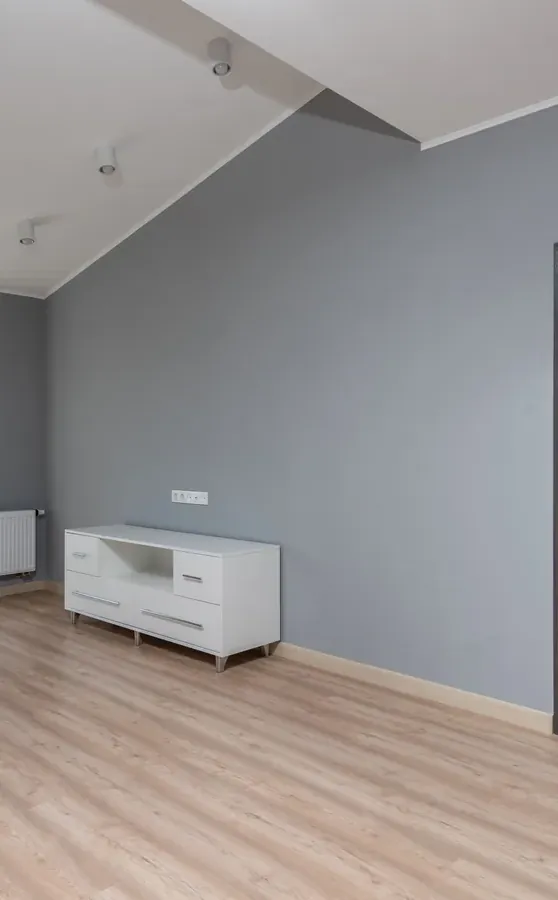
Mareekh is a small district in east Jeddah at the foot of Mareekh Mountains and beside Wadi Al Qaws, the valley behind Jeddah's famous 2009 flood. Cleaning here differs because the air is dry and the dust is coarser and paler than on the coast, it seeps under doors and settles on every surface overnight, so furniture, curtains and mattresses stay heavy with dust even after cleaning.
Dry air and coarse dust settle on furniture and curtains quickly, so even if you cleaned yesterday you wake to carpets and settees covered in a grey layer overnight. For the method itself, see how we approach move-in and move-out cleaning.
Mareekh sits surrounded by hills and open to the eastern desert, and wind carries stone particles and fine sand that penetrate furniture and fabrics. Coarse dust scratches marble and ceramic if not swept carefully first. Cleaning before occupancy must remove this dust from every fabric pore.
Wadi Al Qaws runs beside the district and caused the famous flood. In the rainy season humidity rises and mould appears quickly. Cleaning before occupancy must focus on removing fresh moisture from walls and corners. After the first rain you may need a second clean.
Grit and sand from the hills enter the home easily and settle in corners and grout lines. Floors are ceramic and sometimes marble, both scratched by grit if not swept first. Cleaning must focus on sweeping grit before mopping.
The district sits at the foot of Mareekh Mountains within the hills and valley belt east of the city, close to Wadi Al Qaws which carries seasonal flooding, one of the smaller districts with a simple quiet residential character.
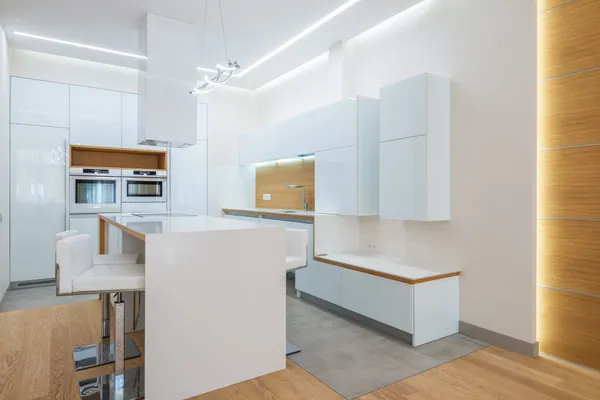
Cabinets and shelves collect mountain dust and fine grit on horizontal surfaces, and cleaning reveals deep residue.
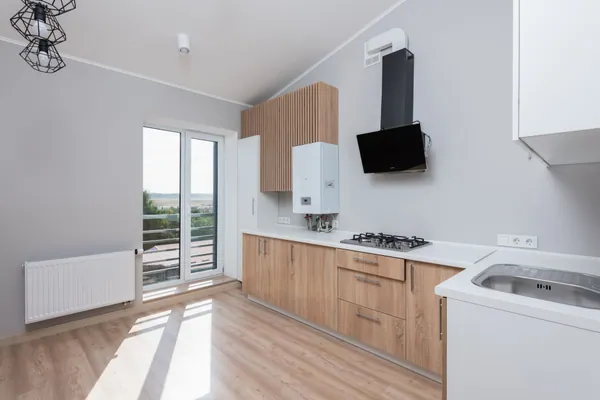
The new kitchen retains paint smell and mountain dust on appliances and upper cabinets.
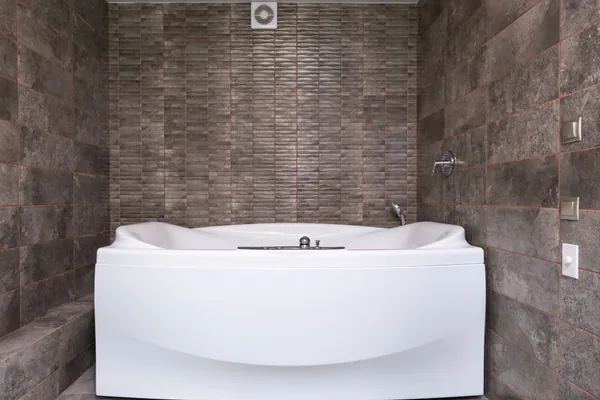
Bathrooms are prone to mould in the rainy season from humidity rising from nearby Wadi Al Qaws.
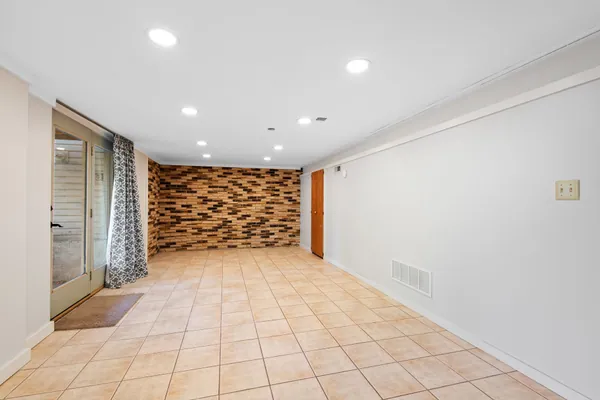
Ceramic and marble floors trap mountain sand and grit easily in grout lines and corners.
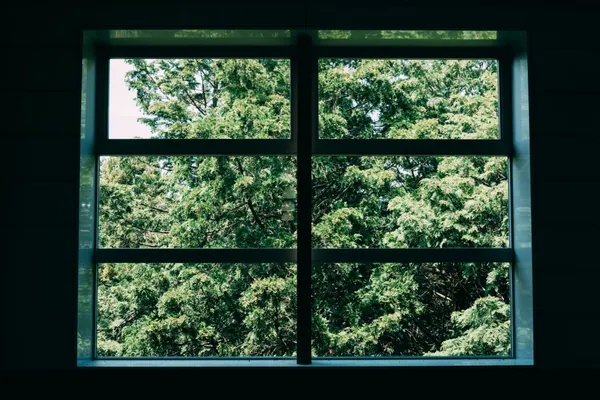
Windows need repeated cleaning because fine dust returns quickly from dry air.
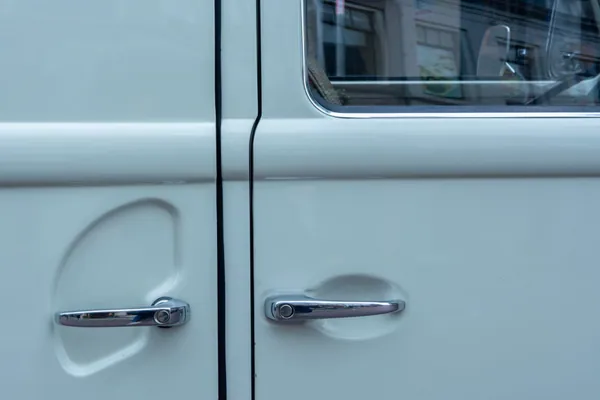
Doors, switches and light fittings need careful cleaning to remove dust and sand deposits.
We go room to room, note the condition, and agree what's dirt to clean versus damage to report.
Ceiling corners, vents, light fixtures, tops of cabinets and doors, dusted before any water touches a surface, so we're not turning that dust into streaks lower down.
Empty is the moment.
Degrease the counters and fronts, then clean the walls and floor where the stove and fridge stood.
Scale on glass and taps and the grout between tiles is broken down, not just wiped over.
Floors come last, after the dust above has settled and been cleared.
An empty home is a different job from a lived-in one, it exposes everything and lets us reach it.
We send a team, not one person.
Degreasers, descalers and machines arrive with the team.
At the walk-through we tell you plainly what's cleaned and what's wear the clean can't fix, so you're not surprised at your own handover.
Photographs from real jobs carried out by the crew.












The commitment is simple enough to actually keep: we don't leave until you've walked the property and told us what you think.
East Jeddah lies furthest from the sea and closest to the open ground and hills beyond the ring roads, so the air is drier and the dust is coarser and paler than on the coast. It comes in under doors and settles on every flat surface overnight, making sofas, mattresses and curtains the heaviest part of the routine. Floors are mostly ceramic tile in the apartment districts and marble in the villa areas, both scratched by grit that is mopped rather than swept. Roof tank water leaves a grey film of sediment in baths and basins.
We provide these in Mareekh too, and more than one can share a single visit.



