
We work empty homes daily
An empty home is a different job from a lived-in one, it exposes everything and lets us reach it.
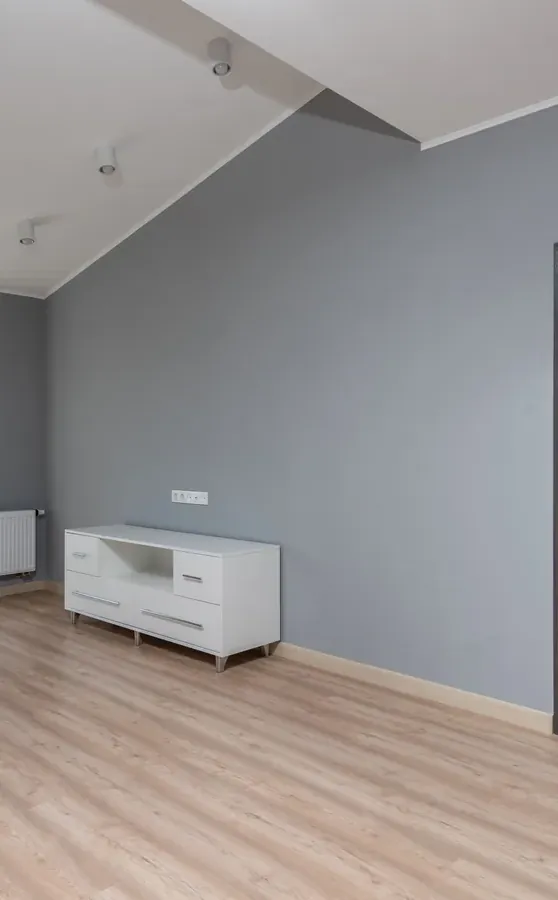
Al Rahmah is a newly laid out subdivision on flat open ground south of Jeddah, with villas being built gradually among stretches of vacant land and internal streets not yet paved. Construction dust continues to settle on every surface, and the new floors are covered in grey cement and paint residue. Cleaning the empty home first ensures that what reaches the new furniture is genuinely clean.
Construction dust here is paler than coastal dust, but it sticks far faster to damp surfaces and fresh paint because the cement and paint are still curing. For the method itself, see our guide to move-in and move-out cleaning.
The marble and ceramic tiles in the new villa arrive coated with a grey cement layer and paint residue. These layers are firmly stuck and need careful cleaning to avoid scratching the new surfaces. Cleaning removes every layer of this without damaging what lies beneath.
Building sites nearby release very fine dust that enters the home through cracks and door seals. This dust settles easily onto damp and freshly painted surfaces. Cleaning removes it from every place before it dries and becomes part of the finish.
The internal streets not yet surfaced send sand, gravel and loose earth whenever the wind moves. A new villa near these streets carries more of this debris. Cleaning reaches the floors, corners and drains to remove all of it.
A new residential plan in south Jeddah's expansion along Al Lith Road, set on flat ground inland from the coast. Construction is ongoing in several places and services are not yet fully established. Wide vacant plots between homes mean wind-blown dust travels further.
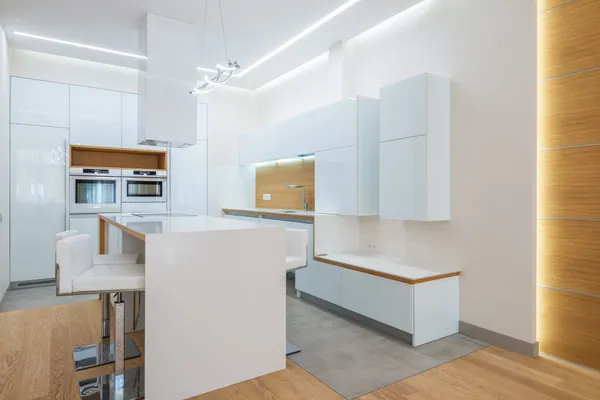
Cabinets in the new Al Rahmah villa are covered in grey cement residue and must be cleaned inside and out completely before clothes and household items are stored.
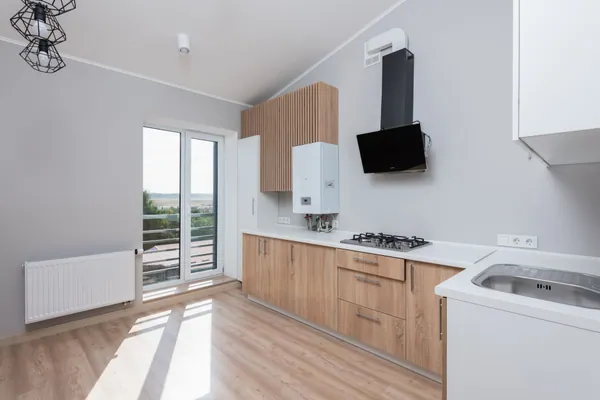
The new kitchen needs every gap behind the appliances opened to remove construction dust and cement that settled during the building phase and initial paint curing.
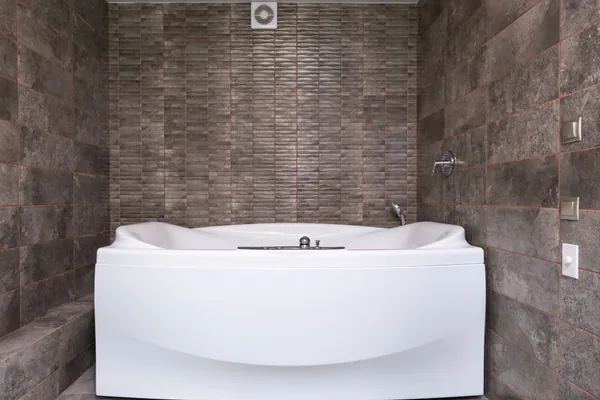
New bathrooms need careful cleaning to remove all construction residue, with special care for fresh ceramics and new finishes that must not be scratched or dulled.
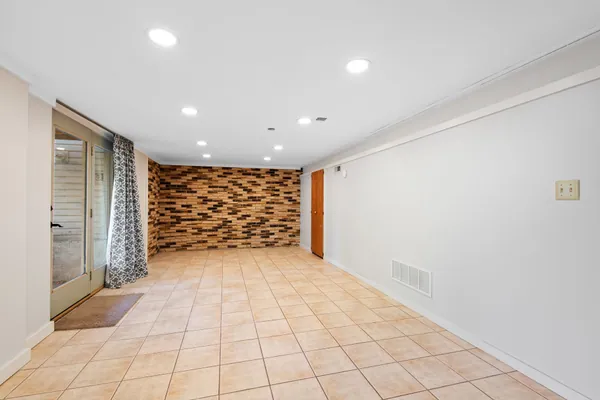
New floors require careful cleaning to lift the cement and paint layer before the final mop, so the real finish can be seen for the first time.
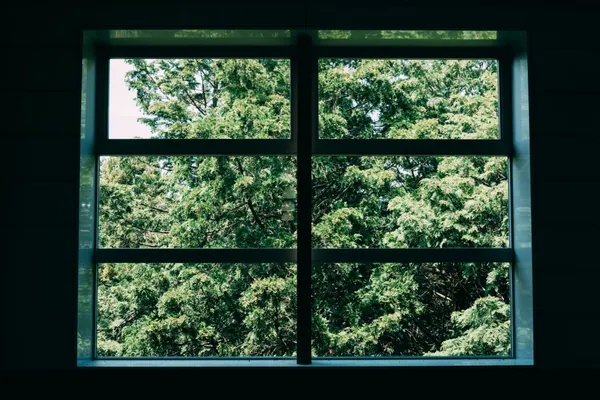
New windows and drains need paint residue and fine dust from surrounding building sites removed so they operate smoothly and let in light without streaks.
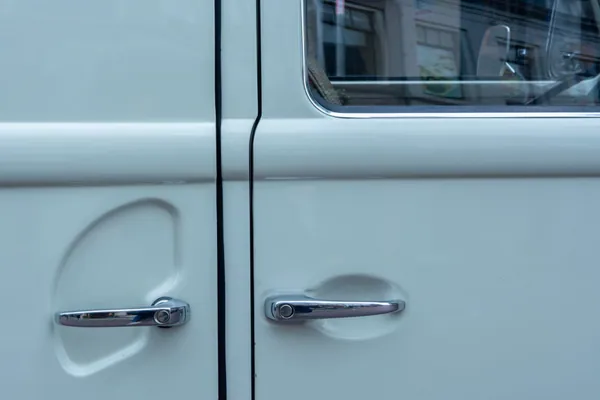
New doors, switches and light fittings are cleaned of construction dust and fresh paint that may be clinging to handles, edges and all raised surfaces.
We go room to room, note the condition, and agree what's dirt to clean versus damage to report.
Ceiling corners, vents, light fixtures, tops of cabinets and doors, dusted before any water touches a surface, so we're not turning that dust into streaks lower down.
Empty is the moment.
Degrease the counters and fronts, then clean the walls and floor where the stove and fridge stood.
Scale on glass and taps and the grout between tiles is broken down, not just wiped over.
Floors come last, after the dust above has settled and been cleared.
New development: ongoing construction and vacant plots between the homes
A new development means building is ongoing and vacant plots are wide open. Cleaning here removes current construction dust and cement before the furniture arrives. But building will continue around the villa, and dust will return. The difference is that furniture will no longer trap whatever settles underneath it.
An empty home is a different job from a lived-in one, it exposes everything and lets us reach it.
We send a team, not one person.
Degreasers, descalers and machines arrive with the team.
At the walk-through we tell you plainly what's cleaned and what's wear the clean can't fix, so you're not surprised at your own handover.
Photographs from real jobs carried out by the crew.












The commitment is simple enough to actually keep: we don't leave until you've walked the property and told us what you think.
South Jeddah runs from the port and the industrial city down towards Al Khumrah, and homes here sit between the sea and the heavy goods roads. The dust is darker and oilier than in the north, a mix of diesel soot and workshop grit, and it clings to net curtains, window sills and the tops of kitchen cupboards. Floors in the older low rise housing are often plain cement or ceramic tile that darkens where soot is walked in. Humidity from the coast adds mildew in bathrooms and a musty smell in stored fabrics.
We provide these in Al Rahmah too, and more than one can share a single visit.



