
We test before we clean
Testing the solution on a hidden edge is a step we treat as necessary, not optional.
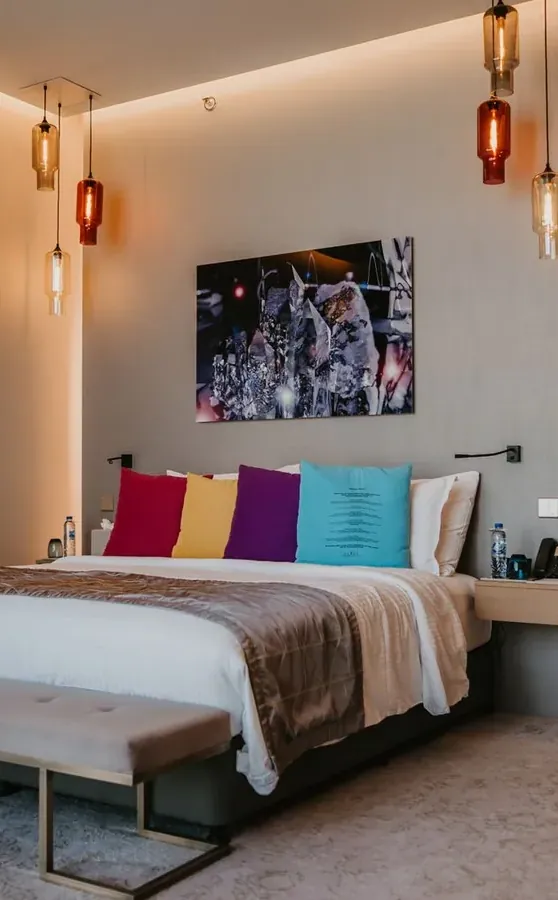
Mareekh is a small district in east Jeddah at the foot of the Mareekh Mountains in a valley landscape, where the air is drier and dust is coarser and paler than on the coast because the ground is sandy and bare. Coarse sand particles settle on every surface and enter through seams, and marble and ceramic floors scratch easily. Mattresses absorb coarse sand and dust deeply, needing a cleaning approach that differs from coastal zones.
Dust and sand in Mareekh are coarser and paler than northern dust and enter homes with greater force, leaving visible marks on mattresses and floors. For the method itself, see our guide to mattress cleaning.
The area is surrounded by bare sandy ground and the air is harsher. Coarse sand enters the villa under doors and around windows and cracks, settling on the mattress in layers. This sand is harder to remove than fine sand.
Dry air pulls ground moisture up from the soil through floors into the flat, creating a contradictory environment: dry air above but damp rising from below. This moisture stress on the fibres increases over time.
Water here carries mineral sediment. Floors develop a grey film from water residue, and mattresses absorb this sediment too, requiring cleaning with a product that dissolves mineral scale.
A small district in eastern Jeddah between Wadi Al Qaws and the hills, with vast stretches of bare soil and sandy ground surrounding the residential homes.
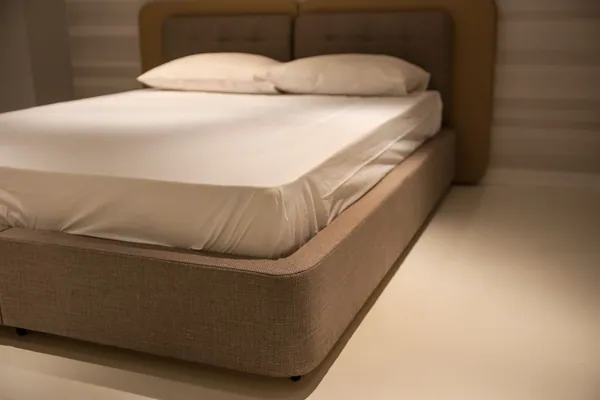
Mattresses in Mareekh are covered with coarse sand, pale dust and sediment that requires careful inspection of type and fibres before any product or pressure is chosen.
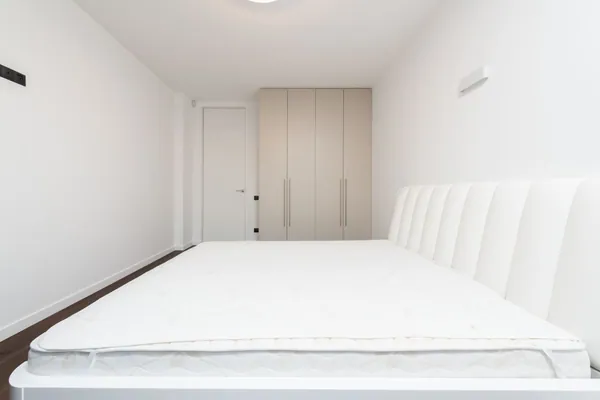
Deep and strong dry vacuum on both sides and edges is essential to remove coarse sand and large particles that ordinary vacuum cannot shift.
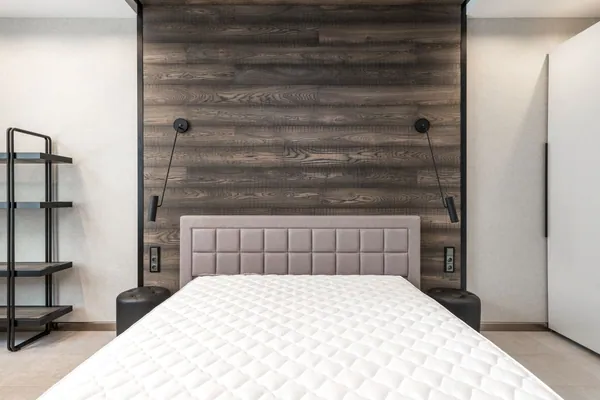
Sediment stains, mould spots and ground odours need gentle treatment with a product that dissolves mineral scale without damaging the fibres.
Cleaning across face and sides focuses on removing the coarse sand and dust layer and white scale deposits.
Careful wet extraction removes water and ground moisture without damage to fibres stressed by the dry air and rising damp combination.

Full sanitising and long airing are needed to clear ground odours and any mould risk from ground moisture rising into the flat.
A quilted cotton cover, a knitted stretch cover and a synthetic surface do not take the same heat or solution.
Before any water.
A sweat stain is worked differently from a spilled drink or a child's accident.
We loosen what has bonded inside the fibres, by the method that suits the mattress, and lift the residue to the surface, worked across the top, the sides and the underside in turn.
The loosened dirt and water are pulled back out in the same pass.
We go over the mattress with you before the team leaves.
Testing the solution on a hidden edge is a step we treat as necessary, not optional.
We send a team, not a single worker.
The cleaning and wet-extraction machines come with the team.
If what you have is a bed-bug problem rather than a dirty mattress, we say so.
Photographs from real jobs carried out by the crew.












The commitment is simple enough to actually keep: we do not leave before you have seen the result and told us what you think of it.
East Jeddah lies furthest from the sea and closest to the open ground and hills beyond the ring roads, so the air is drier and the dust is coarser and paler than on the coast. It comes in under doors and settles on every flat surface overnight, making sofas, mattresses and curtains the heaviest part of the routine. Floors are mostly ceramic tile in the apartment districts and marble in the villa areas, both scratched by grit that is mopped rather than swept. Roof tank water leaves a grey film of sediment in baths and basins.
We provide these in Mareekh too, and more than one can share a single visit.



