
We test before we clean
Testing the solution on a hidden edge is a step we treat as necessary, not optional.

Balbeid is a new housing scheme in north Jeddah with vacant plots still surrounding it and internal streets not yet complete, so fine sand enters homes constantly and new mattresses soil quickly from construction dust and airborne sea salt carried from the nearby coast.
Fine sand and irrigation spray salt deposits appear on new marble quickly, and they transfer to mattresses more easily in large bright rooms with open plan design. For the method itself, see the full mattress cleaning page.
Most new homes in Balbeid have a garden or courtyard where fine sand is walked indoors on marble and tile. New mattresses absorb sand more easily than old ones because the fibres have not yet compressed and packed tight under years of use.
Irrigation spray from gardens dries on porcelain leaving chalky rings, and sea salt carried on the breeze deposits into mattress fibres. Cleaning needs to remove salt from inside the fabric, not just from the surface.
Modern open plan design with large windows means fine dust settles on curtains and mattresses every night, and coastal humidity slows natural drying. Sand ingress is continuous in growing neighbourhoods surrounded by bare ground.
New development in north Jeddah is surrounded by open land and ongoing building work; most homes have marble or porcelain floors and large windows that let fine sand travel in with traffic.

We check the fabric and fill type first; new mattress covers are often delicate and sensitive to moisture, so we test with care.
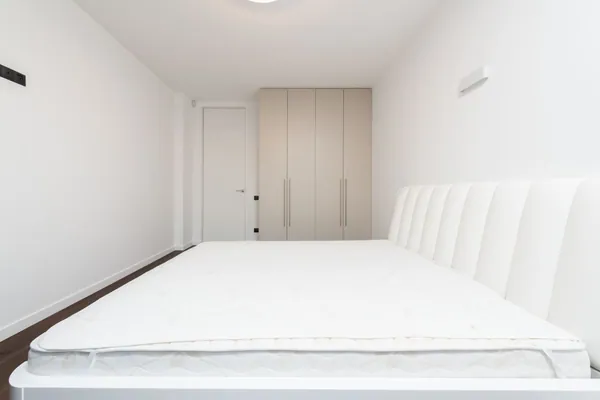
Deep dry vacuum removes fine sand from the top layer before any water is added, to avoid pushing it deeper into the foam.

Stains from trapped salt and sand need gentle targeted treatment because new mattresses damage easily from aggressive scrubbing.
Cleaning and extraction together pulls dirty water and released sand out in one pass without leaving water sitting in the mattress.

Wet extraction here is lighter than in other areas because the aim is quick water removal, not deep contamination treatment.

Airing and drying are critical because sea humidity slows new mattress fibres from drying naturally, so we keep windows open for extended periods.
A quilted cotton cover, a knitted stretch cover and a synthetic surface do not take the same heat or solution.
Before any water.
A sweat stain is worked differently from a spilled drink or a child's accident.
We loosen what has bonded inside the fibres, by the method that suits the mattress, and lift the residue to the surface, worked across the top, the sides and the underside in turn.
The loosened dirt and water are pulled back out in the same pass.
We go over the mattress with you before the team leaves.
New development: ongoing construction and vacant plots between the homes
The new development character means mattresses are new and delicate, and fine sand penetrates easily because the fibres have not yet been compressed by use.
Testing the solution on a hidden edge is a step we treat as necessary, not optional.
We send a team, not a single worker.
The cleaning and wet-extraction machines come with the team.
If what you have is a bed-bug problem rather than a dirty mattress, we say so.
Photographs from real jobs carried out by the crew.












The commitment is simple enough to actually keep: we do not leave before you have seen the result and told us what you think of it.
North Jeddah is largely newer villa districts and compounds around Obhur and inland from it. Homes here tend to have marble or porcelain floors, large windows and a garden or courtyard, so the routine is set by what comes in from outside: fine sand carried on sandals, and sprinkler spray that dries to a chalky ring on tiles. Near the creek and the coast, sea air leaves a faint salt film on glass and on outdoor cushions, which stiffens fabric. Curtains and upholstery in these open plan rooms catch the dust that settles overnight.
We provide these in Balbeid too, and more than one can share a single visit.



