
We test before we clean
Testing the solution on a hidden edge is a step we treat as necessary, not optional.

Al Shati is a coastal zone directly on the Jeddah Corniche with high humidity and salt air every day of the year. Hotels, the floating Al Rahmah mosque, markets and villas sit on the seafront, with residential blocks behind. Mattresses absorb salt and humidity from the air very quickly, and salt accumulates in the fibres leaving a fine white film. High humidity means the mattress dries very slowly after cleaning, and mould forms easily if drying and sanitising are not complete.
Constant salt air and permanently high humidity in Al Shati mean mattresses need special treatment not used in districts away from the sea. For the method itself, see our guide to mattress cleaning.
Sea air carries extremely fine salt particles, and these enter the mattress through windows and doors and accumulate. Salt leaves a fine white layer on the surface and penetrates the fibres. Dry vacuum alone does not remove salt; special chemical treatment designed for trapped salt is needed.
Year round humidity from the very close sea means mattresses absorb moisture very quickly. Drying takes very much longer, and mould and mildew form easily in any trapped moisture. The mattress may never completely dry because surrounding humidity is so high.
Hotels, restaurants and shops on the seafront produce grease and soot that mixes with salt and humidity. This triple mix makes cleaning harder because oily particles cling to salt in very damp air. The mattress becomes heavy with smell and susceptible to rapid mould.
The coastal zone sits directly on the Jeddah Corniche between King Abdulaziz Road and the Red Sea, with hotels, open markets, the floating mosque, villas and residential blocks, under constantly damp and salty air all year round.
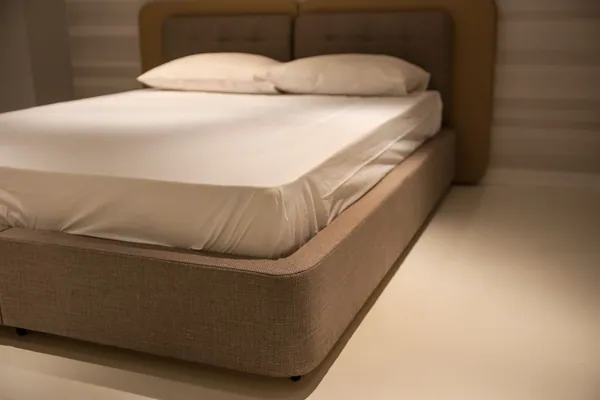
Mattresses in Al Shati suffer from constant humidity and salt exposure. Fabric may already be salt-damaged, and must be checked carefully before work begins to avoid further damage.
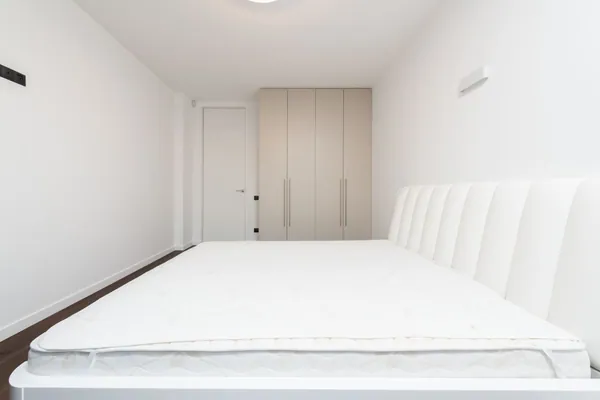
Deep dry vacuum takes much longer because of mixed salt and grease. Multiple passes and repeated strong extraction are needed.

Salt and marine grease are treated with a product that breaks down both together. Warm water helps but must not be left on fabric already wet from humidity.
Surface cleaning is followed by very strong wet extraction reaching under the edge from both sides to pull salt laden dirty water.
Water extraction is critical; the team re-extracts many times because salt remains trapped in any remaining moisture.

Sanitising, very aggressive ventilation and running a powerful air dryer are essential. Drying may take a full day or longer because surrounding humidity is so high.
A quilted cotton cover, a knitted stretch cover and a synthetic surface do not take the same heat or solution.
Before any water.
A sweat stain is worked differently from a spilled drink or a child's accident.
We loosen what has bonded inside the fibres, by the method that suits the mattress, and lift the residue to the surface, worked across the top, the sides and the underside in turn.
The loosened dirt and water are pulled back out in the same pass.
We go over the mattress with you before the team leaves.
Testing the solution on a hidden edge is a step we treat as necessary, not optional.
We send a team, not a single worker.
The cleaning and wet-extraction machines come with the team.
If what you have is a bed-bug problem rather than a dirty mattress, we say so.
Photographs from real jobs carried out by the crew.












The commitment is simple enough to actually keep: we do not leave before you have seen the result and told us what you think of it.
Coastal area: high humidity and salt air through the year
In a coastal zone like Al Shati, constant humidity, salt and marine grease combine on the mattress, and this requires stronger sanitising and drying than any other district, and the drying itself takes much longer because surrounding air is so humid.
We provide these in Al Shati too, and more than one can share a single visit.



