
We test before we clean
Testing the solution on a hidden edge is a step we treat as necessary, not optional.
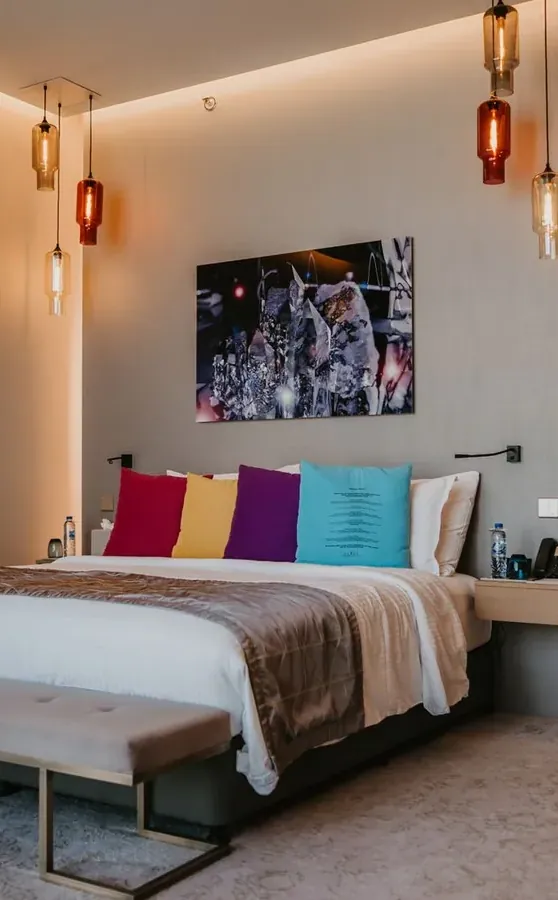
Al Gharbiyah is a newly developed district in north Jeddah on the coastal edge, where building is ongoing and most homes are new villas with gardens and courtyards. Fine sand comes in with every step, sprinkler spray leaves chalky rings on tiles, and sea air coats everything with salt. Your mattress absorbs all of this before it shows, and the cleaning needed here differs from older districts in every way.
New villas here carry a routine load of fine sand that does not sweep away easily, and mineral deposits from irrigation water show up on every surface within weeks. For the method itself, see our guide to mattress cleaning.
Sand from gardens and outdoor spaces enters on bare feet and in shoes, and settles into mattress fibres easily because it is so fine. Standard vacuuming lifts only surface particles. The rest stays trapped in the layers where it grinds the fibres with movement.
Sea air leaves a faint salt film on every fabric, and mattresses that air on a balcony or near an open window accumulate extra salinity. Cleaning here requires rinsing to dissolve the salt crystals, not just extraction.
Sprinkler spray dominates the outdoor routine, and the mattress absorbs water that contains lime and mineral salts. This deposits white stains that are stubborn and can only be shifted with weak acid treatment before wet extraction.
Al Gharbiyah is a new coastal district with marble and porcelain floors in mostly recent villas. Fine sand and sea salt enter easily through gardens, courtyards and the large windows typical of new builds.
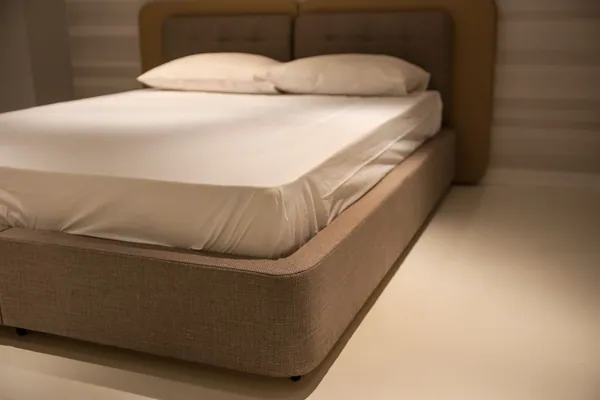
Every new mattress in Al Gharbiyah carries hidden fine sand, and inspection begins with gentle agitation to lift surface matter before any suction begins.
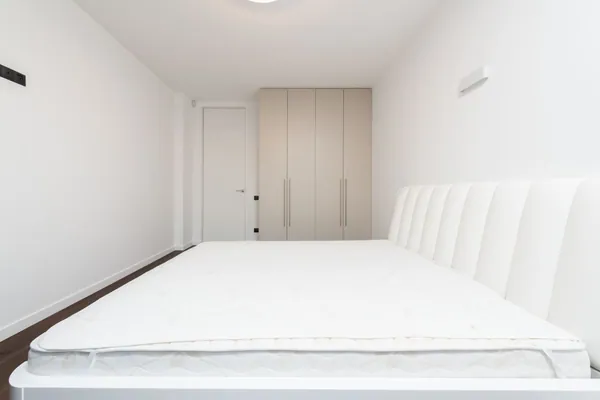
Deep vacuuming needs multiple stages because fine sand sinks into the foam, and we do not lift all of it in a single pass.
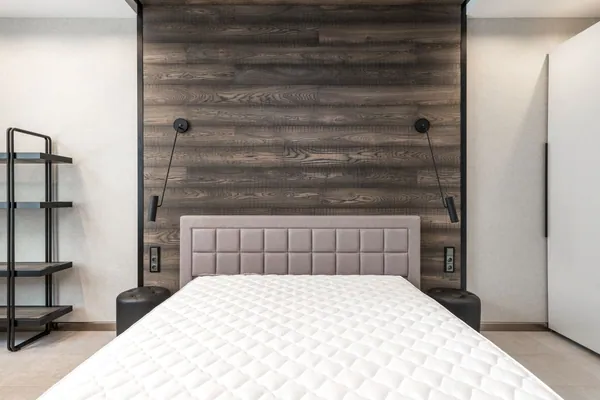
Salt and mineral stains are treated with weak solutions that do not damage the fibres, with contact time before wet extraction for the solutions to work.
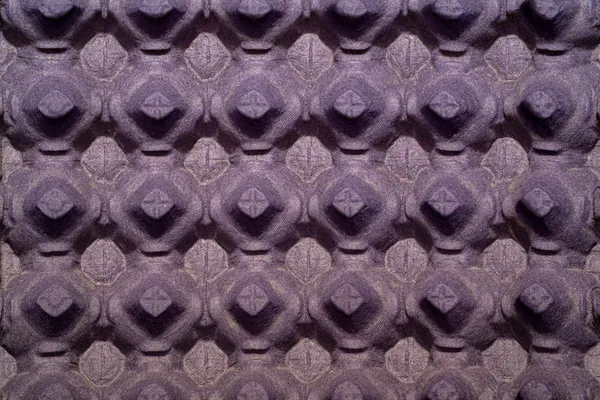
Wet cleaning here uses demineralised water because tap water will leave additional mineral deposits if used on already high salinity mattresses.
Wet extraction is strong here to remove all liquid and dissolved salts before the drying phase begins.

Drying uses heated air and continuous air movement to extract remaining moisture and salt before the mattress returns to use.
A quilted cotton cover, a knitted stretch cover and a synthetic surface do not take the same heat or solution.
Before any water.
A sweat stain is worked differently from a spilled drink or a child's accident.
We loosen what has bonded inside the fibres, by the method that suits the mattress, and lift the residue to the surface, worked across the top, the sides and the underside in turn.
The loosened dirt and water are pulled back out in the same pass.
We go over the mattress with you before the team leaves.
Testing the solution on a hidden edge is a step we treat as necessary, not optional.
We send a team, not a single worker.
The cleaning and wet-extraction machines come with the team.
If what you have is a bed-bug problem rather than a dirty mattress, we say so.
Photographs from real jobs carried out by the crew.












The commitment is simple enough to actually keep: we do not leave before you have seen the result and told us what you think of it.
North Jeddah is largely newer villa districts and compounds around Obhur and inland from it. Homes here tend to have marble or porcelain floors, large windows and a garden or courtyard, so the routine is set by what comes in from outside: fine sand carried on sandals, and sprinkler spray that dries to a chalky ring on tiles. Near the creek and the coast, sea air leaves a faint salt film on glass and on outdoor cushions, which stiffens fabric. Curtains and upholstery in these open plan rooms catch the dust that settles overnight.
We provide these in Al Gharbiyah too, and more than one can share a single visit.



