
We test before we clean
Testing the solution on a hidden edge is a step we treat as necessary, not optional.
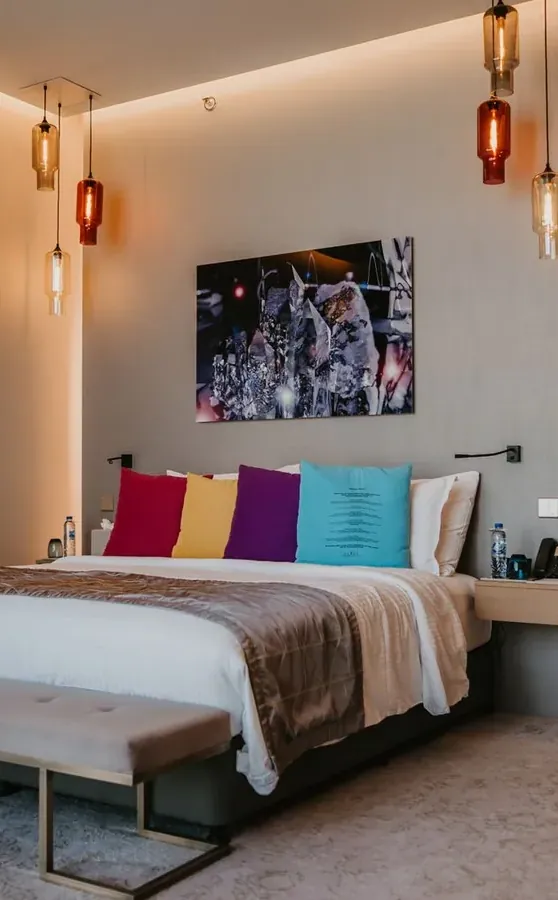
Al Fanar sits on newly released plots between Obhur Bay and the main arterial roads, where ongoing construction and vacant land mean fine sand and building dust enter homes every day. The mattress here bears the brunt of it, because coarser particles settle deep into the foam much faster than they would in an older district.
New homes here have not yet stabilised: a single clean does not hold, because dust returns within a week from the open ground surrounding the house. For the method itself, see the full mattress cleaning page.
Construction dust is not city dust: its particles are smaller and penetrate mattress fabric more deeply, grinding the foam from inside. Standard vacuum reaches the surface only, and the sand that remains causes overnight sneezing and allergic responses.
Proximity to the bay raises the moisture level, and the mattress absorbs it along with faint salt particles in the sea air. Drying after cleaning needs care here, because humidity returns to the mattress much faster than elsewhere in Jeddah.
Villas and buildings here are newly built, and the internal fabric of new mattresses is softer, so grit strikes harder. Gentler handling protects the foam, which makes the choice of tools critical.
The new location between vacant plots and developing roads introduces coarser dust than central districts, and rooftops have accumulated fine sand deposits since construction began.
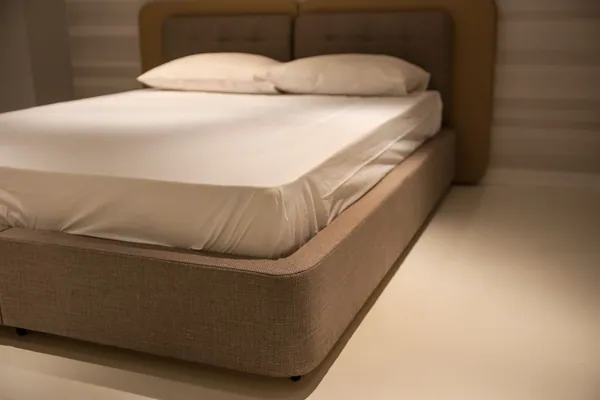
Newer mattresses in Al Fanar are often foam or sponge blend, and the cover is thin if the mattress is very new, which affects technique.
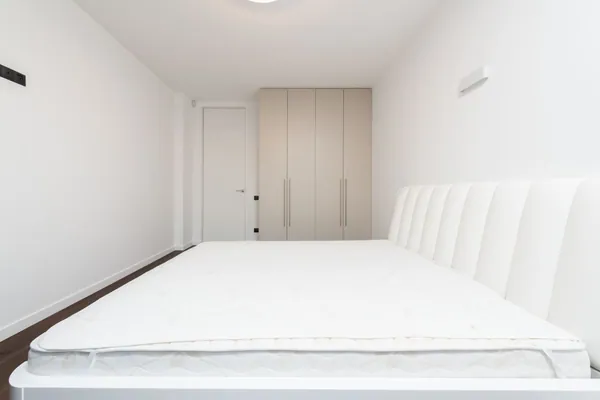
Dry vacuum here needs moderate power because the foam is soft and grit penetrates, so we balance extraction against protection.

Stains from oily building dust need a special agent that dissolves the oil without pre-wetting the mattress.
Deep cleaning runs top, bottom and sides in one pass, and the sides matter most here because grit settles along the seams.
Wet extraction removes water and dissolved soil, and the water is already clean because dust was extracted by dry vacuum first.

Sanitising uses an agent safe for new foam, and airing is extended because humidity from the bay slows the drying cycle.
A quilted cotton cover, a knitted stretch cover and a synthetic surface do not take the same heat or solution.
Before any water.
A sweat stain is worked differently from a spilled drink or a child's accident.
We loosen what has bonded inside the fibres, by the method that suits the mattress, and lift the residue to the surface, worked across the top, the sides and the underside in turn.
The loosened dirt and water are pulled back out in the same pass.
We go over the mattress with you before the team leaves.
Al Fanar sits between Jeddah Madinah Road and King Abdulaziz Road, and our best access points are via Al Iman Park or along King Saud Road, which cuts through the district from the east.
Testing the solution on a hidden edge is a step we treat as necessary, not optional.
We send a team, not a single worker.
The cleaning and wet-extraction machines come with the team.
If what you have is a bed-bug problem rather than a dirty mattress, we say so.
Photographs from real jobs carried out by the crew.












The commitment is simple enough to actually keep: we do not leave before you have seen the result and told us what you think of it.
North Jeddah is largely newer villa districts and compounds around Obhur and inland from it. Homes here tend to have marble or porcelain floors, large windows and a garden or courtyard, so the routine is set by what comes in from outside: fine sand carried on sandals, and sprinkler spray that dries to a chalky ring on tiles. Near the creek and the coast, sea air leaves a faint salt film on glass and on outdoor cushions, which stiffens fabric. Curtains and upholstery in these open plan rooms catch the dust that settles overnight.
We provide these in Al Fanar too, and more than one can share a single visit.



