We treat the incense, not mask it
Bakhoor residue is cleaned out of the seating and curtains and off the walls, so fresh oud is not sitting on months of old smoke.
Al Quraniyah is a longer established residential district in south Jeddah neighboured by Al Fadeelah and Al Malisa, with apartment blocks and rented flats alongside some older villas. The district sits between Jeddah Islamic Port and the Middle Ring Road, so its life is bracketed by the sea on one side and heavy goods traffic on the other.
Curtains and fabrics trap dark oily soot mixed with salt residue; the weave loses both flexibility and colour, and ordinary washing is insufficient. For the method itself, see what majlis and diwaniya cleaning involves.
Heavy goods routes emit black oily soot that bonds to sheer fabric and white window sills. Kitchen cupboards darken where soot settles on the tops. Ordinary washing will not remove it.
Older low rise housing has cement or ceramic tile floors that darken where soot is trodden. Black lines become ingrained rapidly.
Location between the sea and heavy roads means high humidity. Mould appears in bathrooms and storage, and stored fabrics develop a musty smell.
Al Quraniyah lies in south Jeddah between Jeddah Islamic Port and the Middle Ring Road, bordered by heavy goods routes and port operations on one side and the coast on the other.
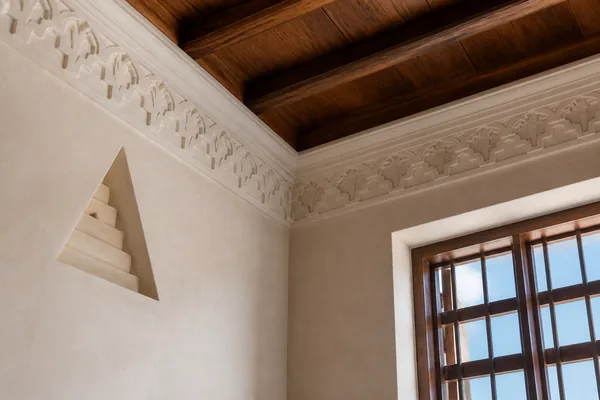
Ceilings and high corners collect black oily soot from nearby diesel routes, and cleaning requires chemical treatment more than other majlis rooms.
Surfaces and furniture become dulled by soot, grease and salt mixed, and leather and wood need specialist cleaning.
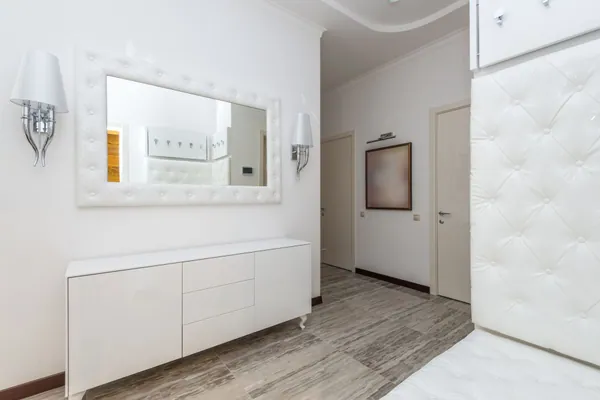
Glass and mirrors cloud from a layer of soot and dampness together; cleaning takes extra effort.
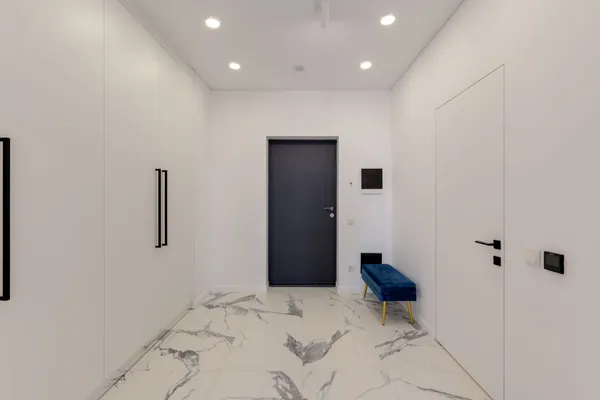
The majlis floor is cement or older ceramic tile that darkens where soot is walked in and needs vigorous scrubbing.
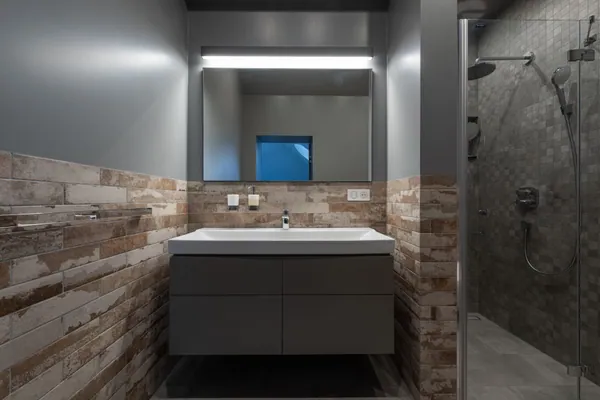
The guest bathroom is damp and walls may have black mould in corners and on the ceiling.
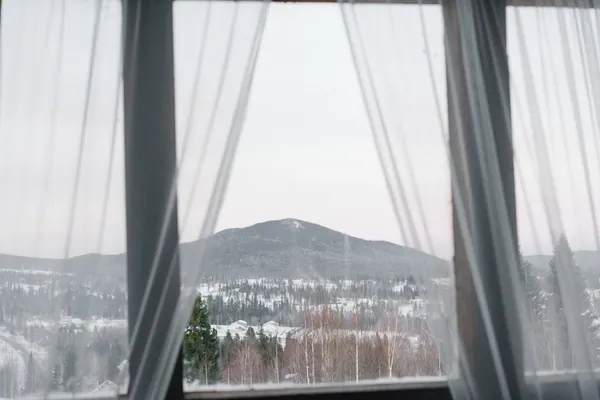
Powerful airing is absolutely essential; we open every window and door and air the room for a very extended period until everything dries.
Seating, carpet, curtains and surfaces, before anything starts, so we agree the scope and what the price covers.
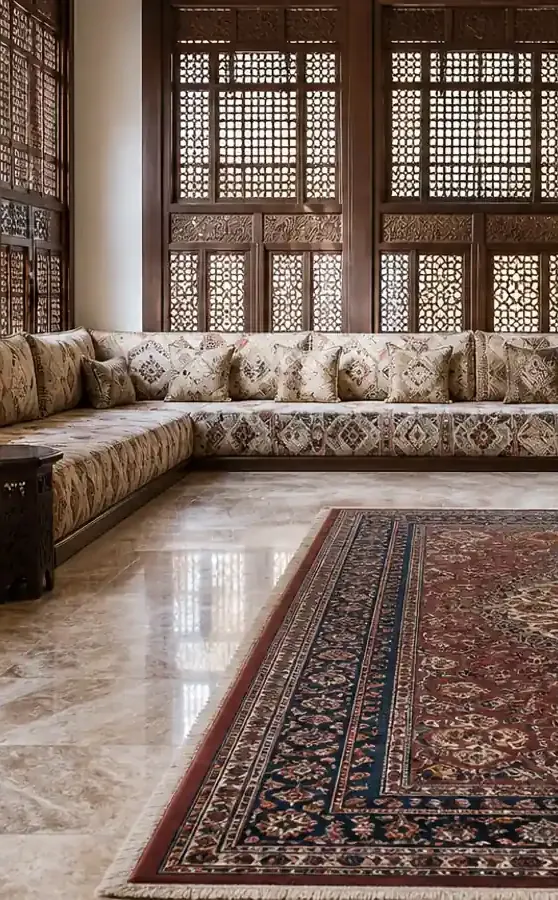
Majlis seating and curtains vary from cotton to velvet and heavy weaves, and they do not take the same heat or product.
Before any water, on the seating and the carpet both.
Gahwa, cardamom and food are not one problem.
We choose the method after seeing each piece, loosen what has bound into the seating and carpet, and extraction pulls it straight back out with the water, in one pass, so nothing is left soaking in the foam.
We go back through the room with you.
Al Quraniyah is a residential district in south Jeddah bounded by Al Lith Road, with the neighbourhood anchored by Al Qurayniyah Market and Al Waqidi Primary School; work is organised by the majlis location relative to these landmarks and the main road.
Bakhoor residue is cleaned out of the seating and curtains and off the walls, so fresh oud is not sitting on months of old smoke.
We test the fabric on a hidden spot before we clean it.
The company runs several teams, and we send a team rather than one person.
If the seating needs reupholstering rather than cleaning, we say so.
Photographs from real jobs carried out by the crew.












The commitment is small enough to actually keep: we do not leave until you have seen the result and told us what you think of it.
South Jeddah runs from the port and the industrial city down towards Al Khumrah, and homes here sit between the sea and the heavy goods roads. The dust is darker and oilier than in the north, a mix of diesel soot and workshop grit, and it clings to net curtains, window sills and the tops of kitchen cupboards. Floors in the older low rise housing are often plain cement or ceramic tile that darkens where soot is walked in. Humidity from the coast adds mildew in bathrooms and a musty smell in stored fabrics.
We provide these in Al Quraniyah too, and more than one can share a single visit.