
We test before we clean
Testing the material on a hidden spot is a step we treat as necessary, not optional.
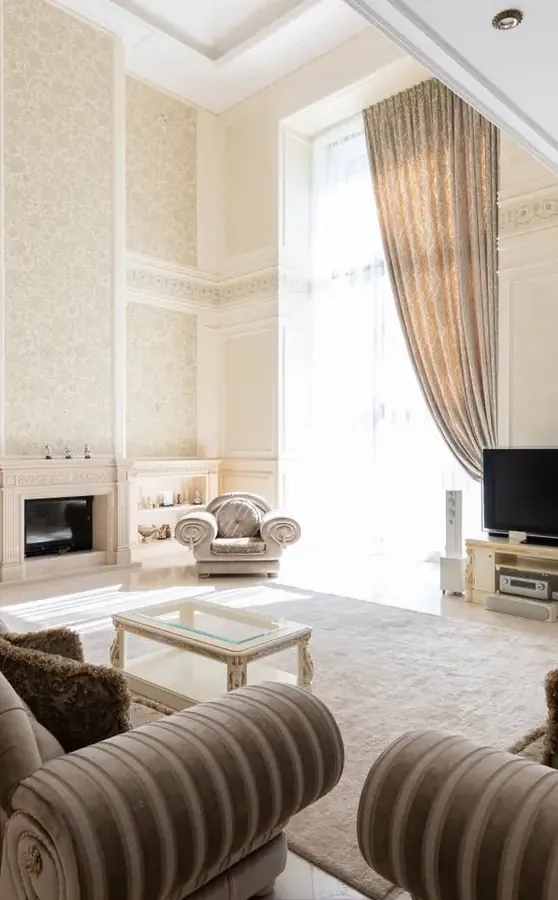
Taybah is a newly established eastern district near Wadi Obhur on Asfan Road, with villas and flats still under construction. New carpet is exposed to coarse dust from open ground and distant hills, and the air is much drier than on the coast. Roof tank water leaves grey sediment settling on every surface.
East Jeddah is less humid than the coast but carries heavier and coarser dust, and roof tanks leave mineral sediment that falls onto carpet and curtains throughout the house. For the method itself, see how we approach carpet and rug cleaning.
Villas and apartments are still under construction across the new subdivision, and the surrounding vacant land means strong winds carry coarse sand and dust from the dry mountainous terrain.
Roof tanks deposit salts and limescale in the water, and when the water evaporates it leaves white film on carpet, floors and curtains, especially in upper rooms.
East Jeddah is drier and further from sea influence, so dust is paler and oilier in nature, leaving a thick layer on every surface in the shortest time.
The district lies distant from the sea between Al Sawari and Al Bashair, near a wadi and upland areas, so the air is drier and the dust coarser and paler than coastal dust.
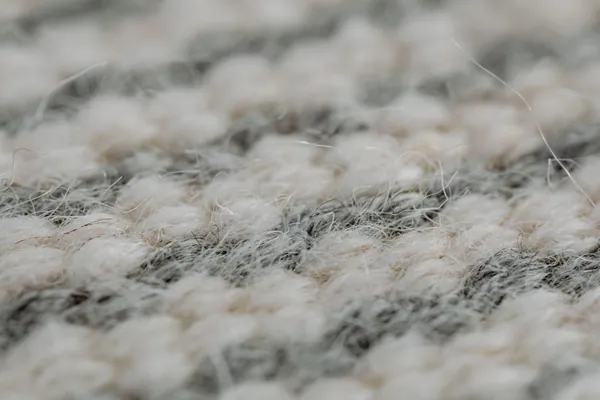
New carpet in new homes may be wool or synthetic, so we test it first to check colour fastness before any washing begins.
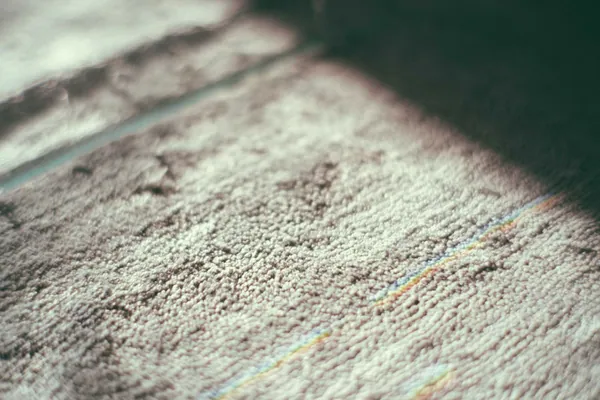
Deep vacuuming in a new home must focus on coarse dust and mineral deposits before extraction and washing.
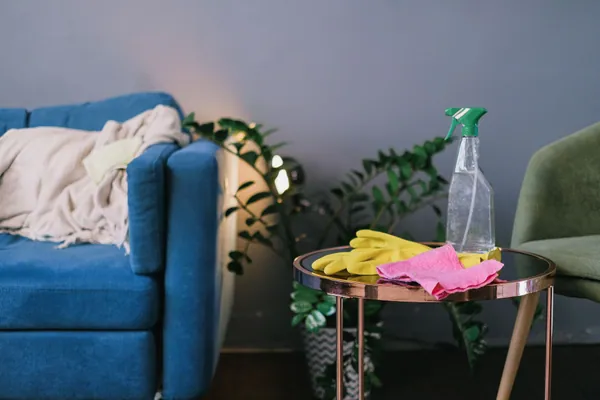
Stains from cement, paint and minerals need individual treatment according to type and how embedded they are.
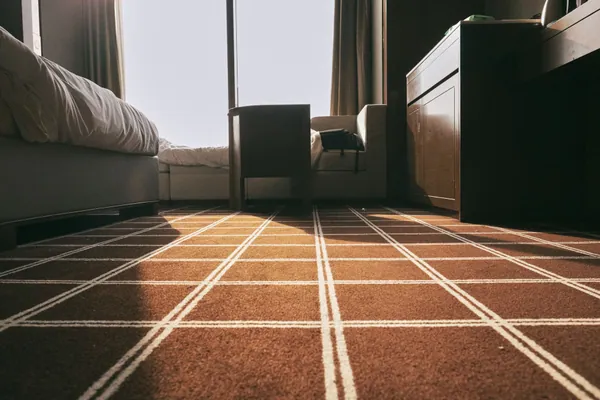
Washing method is set by fibre type and moisture levels; we may use gentler washing because new houses release a lot of moisture.
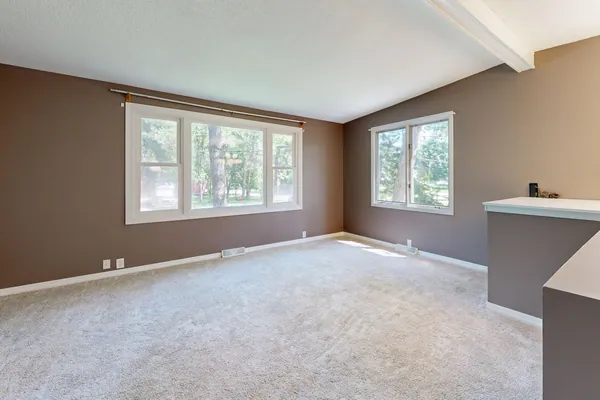
Fitted carpet in a new home is extracted carefully, protecting fresh concrete underneath from excess water.
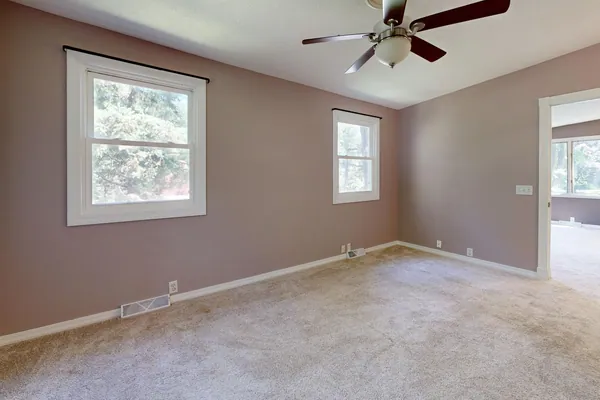
Drying is fast and thorough: we use strong equipment and full ventilation to prevent moisture returning and mildew forming.
Wool, synthetic and silk-blends do not take the same heat or the same material.
Before any water.
An oil stain is not treated like a juice stain.
Hot water loosens what is bound in the pile and the extractor pulls it straight back out with the water, together, so nothing is left sitting in the base.
The borders and fringe are done by hand, where machines skip and where wear shows first, so the whole rug looks even.
The carpet is left slightly damp, not wet.
New development: ongoing construction and vacant plots between the homes
Active building, dry hillside terrain and damp new walls combine to mean coarse dust, mineral deposits and high moisture all at once, so new carpet needs frequent cleaning and deep fast drying.
Testing the material on a hidden spot is a step we treat as necessary, not optional.
The company runs a large workforce, and we send a team rather than one worker.
The deep vacuum and extraction machines are ours and arrive with the team.
If a rug needs repair or re-fringing rather than cleaning, we say so.
Photographs from real jobs carried out by the crew.












The commitment is simple enough to actually keep: we do not leave before you have seen the result and told us what you think.
East Jeddah lies furthest from the sea and closest to the open ground and hills beyond the ring roads, so the air is drier and the dust is coarser and paler than on the coast. It comes in under doors and settles on every flat surface overnight, making sofas, mattresses and curtains the heaviest part of the routine. Floors are mostly ceramic tile in the apartment districts and marble in the villa areas, both scratched by grit that is mopped rather than swept. Roof tank water leaves a grey film of sediment in baths and basins.
We provide these in Taybah too, and more than one can share a single visit.



