
We test before we clean
Testing the material on a hidden spot is a step we treat as necessary, not optional.
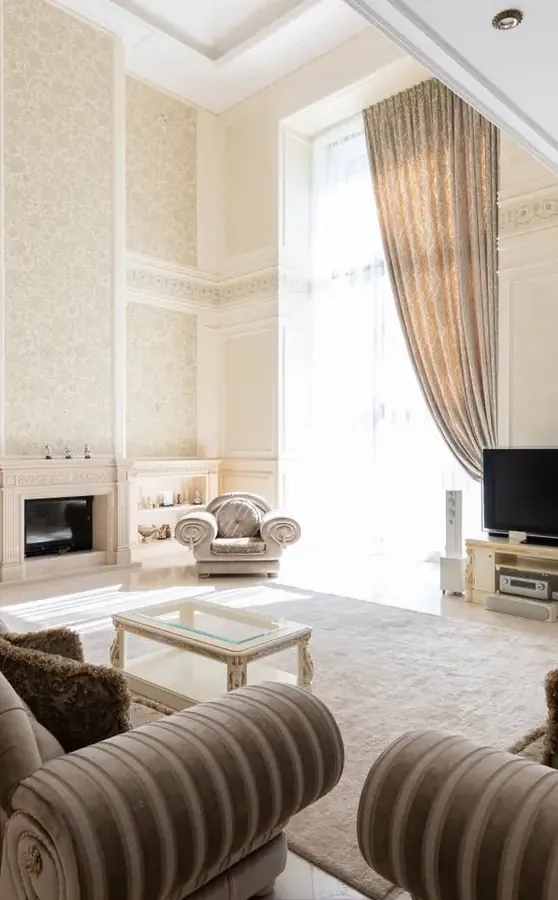
Al Rughamah is a mixed district in east Jeddah where dry, coarse dust arrives from the surrounding hills and mountains, not from the sea. Shops occupy the ground floor and bring constant street traffic; flats above receive this dust through stairwells and windows with every door opening. Carpet and fitted carpet here face a different set of problems than the damp coastal districts.
The dust arrives dry and sharp, not damp and sticky: it settles on surfaces quickly but does not create the mildew and coastal humidity that other districts contend with daily. For the method itself, see our guide to carpet and rug cleaning.
Dry air from the hills carries fine gravel and coarse dust that clings to carpet in a way entirely unlike salt and coastal moisture. This dust does not become damp and does not trigger mildew smells, but it scratches fibres rapidly if those particles are not removed before washing water arrives.
Ceramic and marble in both flats and villas are relatively new, but street grit scratches them during routine sweeping. Deep vacuuming must remove grit before any water touches the floor, because wetting lifts it to the surface and drags it across the marble or tile.
Ground-floor shops generate constant movement and extra dust for the flats and offices above them. Carpet in upper units accumulates street dust and shop dust together, driving cleaning demand higher than a purely residential district where shops do not sit underneath.
The district sits close to the Mareekh Mountains and Wadi Al Qaws, making dry soil and fine gravel part of the daily environment that enters under doors and sits on carpet.
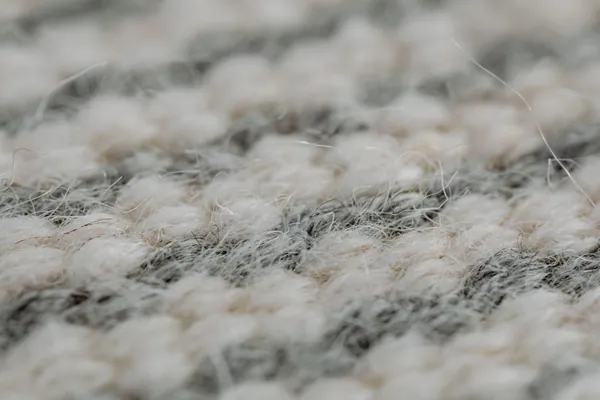
Modern villa carpet differs sharply from aged fitted carpet in older flats, and mountain gravel requires more careful sorting before work begins to avoid scratching pile during pre extraction.
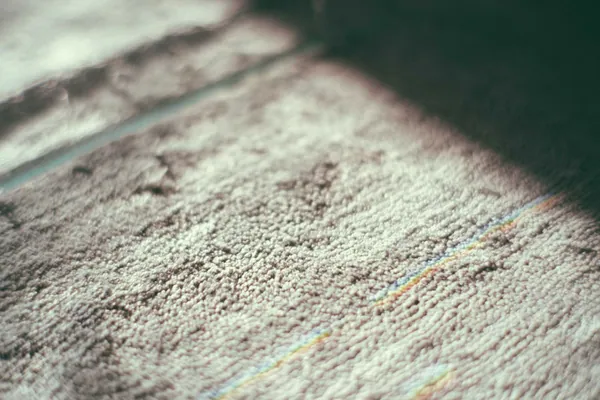
Dry vacuuming must be very deep here because gravel migrates through the pile; routine surface vacuuming leaves fine particles locked into the base and pile structure.
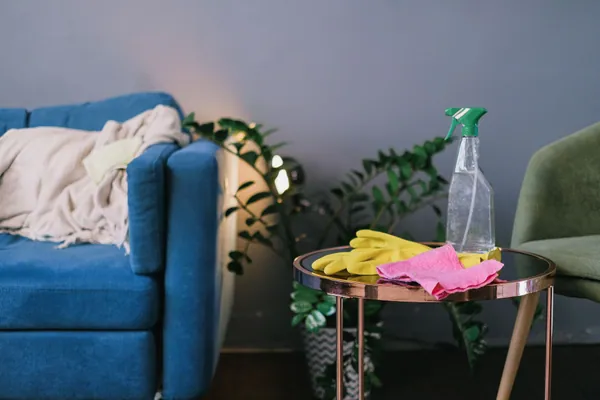
Stains vary widely: dry dust leaves ashen streaks, water from flooring leaves pale rings, and each requires a different product and approach to lift without setting the mark deeper.
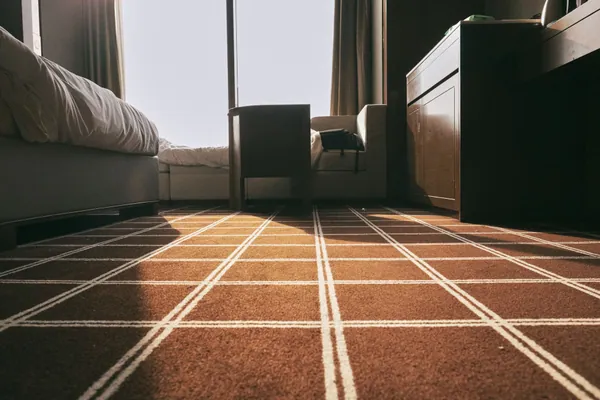
Hot water extraction suits the synthetics common in new villas, whilst gentler washing suits wool carpet in older flats to avoid fibre damage from the coarser dust already present.
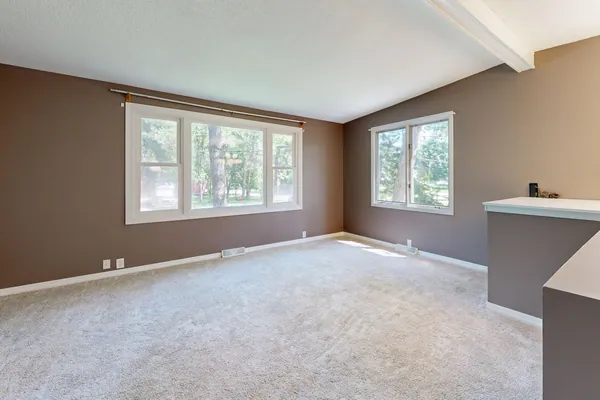
Fitted carpet in ground-floor shops is cleaned in place because removal disrupts business; flats above are also cleaned in situ to avoid tracking mountain dust through stairwells and lifts.
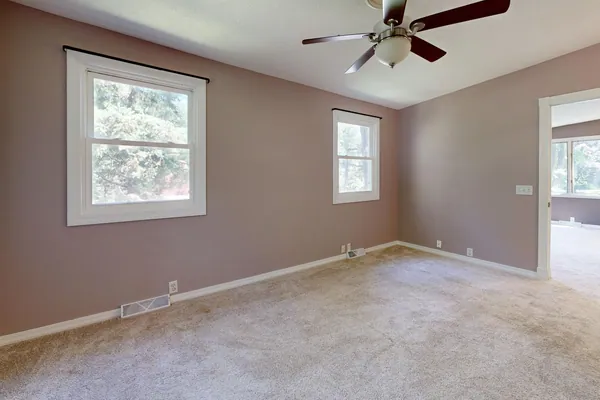
Wet extraction removes water and trapped gravel residue, then we manage moisture carefully before leaving because dry mountain air speeds evaporation but can leave salt halos on dark pile.
Wool, synthetic and silk-blends do not take the same heat or the same material.
Before any water.
An oil stain is not treated like a juice stain.
Hot water loosens what is bound in the pile and the extractor pulls it straight back out with the water, together, so nothing is left sitting in the base.
The borders and fringe are done by hand, where machines skip and where wear shows first, so the whole rug looks even.
The carpet is left slightly damp, not wet.
Testing the material on a hidden spot is a step we treat as necessary, not optional.
The company runs a large workforce, and we send a team rather than one worker.
The deep vacuum and extraction machines are ours and arrive with the team.
If a rug needs repair or re-fringing rather than cleaning, we say so.
Photographs from real jobs carried out by the crew.












The commitment is simple enough to actually keep: we do not leave before you have seen the result and told us what you think.
East Jeddah lies furthest from the sea and closest to the open ground and hills beyond the ring roads, so the air is drier and the dust is coarser and paler than on the coast. It comes in under doors and settles on every flat surface overnight, making sofas, mattresses and curtains the heaviest part of the routine. Floors are mostly ceramic tile in the apartment districts and marble in the villa areas, both scratched by grit that is mopped rather than swept. Roof tank water leaves a grey film of sediment in baths and basins.
We provide these in Al Rughamah too, and more than one can share a single visit.



