
We test before we clean
Testing the material on a hidden spot is a step we treat as necessary, not optional.
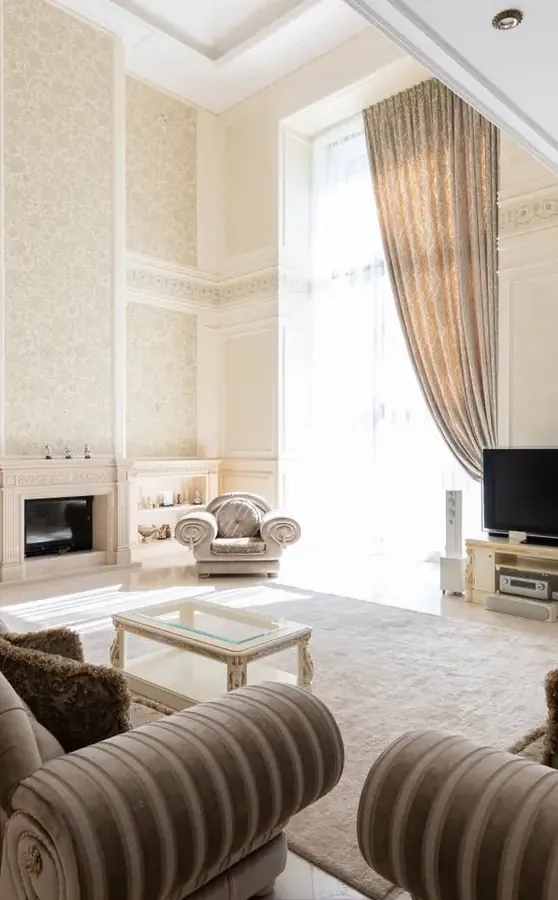
Quwaizah is among Jeddah's oldest districts, nestled in the hills and valleys east of the city, where Wadi Al Qaws faces persistent moisture from its watershed and the 2009 flood's lasting impact. Homes here are tightly built and aged, with limited drainage and walls that stay damp even years later. Carpet collects both the fine, dry dust from the surrounding hills and the persistent dampness from the valley floor, creating a heavy, difficult-to-clean base layer that ordinary vacuuming cannot reach.
Carpet in lower-floor units here carries deep moisture that does not show on the surface, and sediment residue from the 2009 flood may remain trapped in the fibres even years after the event. For the method itself, see our carpet and rug cleaning service in detail.
Quwaizah sits in a valley zone, and Wadi Al Qaws experienced the well-documented Jeddah flood of 2009. Despite the years passed, some older homes still carry residual moisture from that event deep in their foundations. Carpet in ground-floor units may absorb this ancient dampness; it will feel surface-dry but remain moisture-heavy in the pile base, and drying to completion requires longer duration and active dehumidification than normal.
The district was built decades ago and ground drainage was never upgraded to modern standards. Ground-floor units face persistent moisture rising from the soil year-round, and carpet here reflects that reality with notable weight and potential musty odour if dampness lingers. The structural dampness will return after cleaning if not managed with active drying.
The Mareekh Hills and surrounding ridges shed fine, dry dust that blows downslope, and this dust enters carpet where it mixes with valley moisture, creating a heavy, adhesive layer. The combination makes carpet visibly dull and significantly heavier than dry-dust carpet elsewhere, and the dust-and-moisture bond resists light vacuuming.
Wadi Al Qaws faces the district from one side and the Mareekh Mountains from another; old drainage systems mean ground-floor units remain persistently damp, especially after any rainfall, and the aged construction means concrete absorbs and holds moisture.
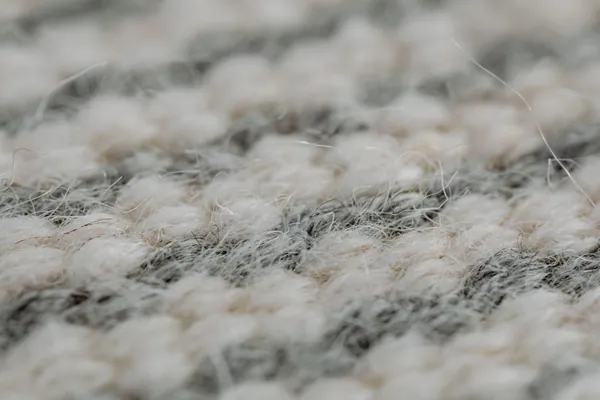
Older synthetic carpet in Quwaizah may not tolerate very hot water; careful sorting by fibre type and composition is essential, and a small hidden-area test before full washing is important to avoid damage.
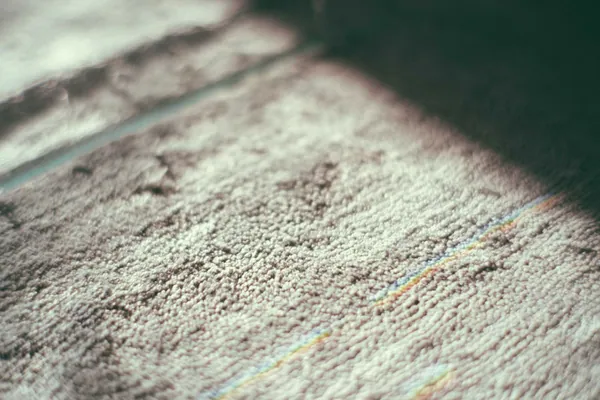
Deep dry vacuuming must be vigorous here because dust is mixed with moisture and the carpet is heavy; weak suction will not lift the adhesive layer, but power must be balanced against the age and delicacy of the pile.
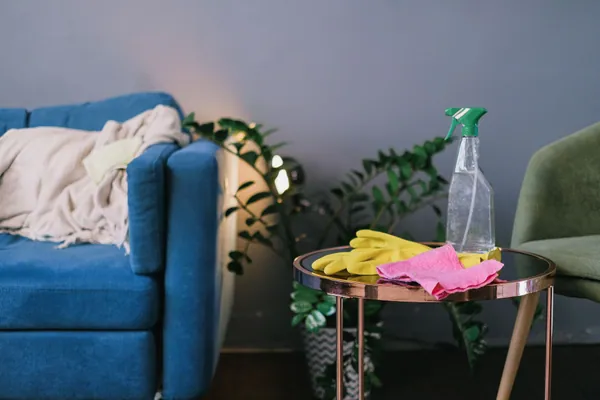
Stains from mildew, moisture marks and sticky dust buildup each require individual assessment, with moisture treatment prioritised before any other cleaning step.
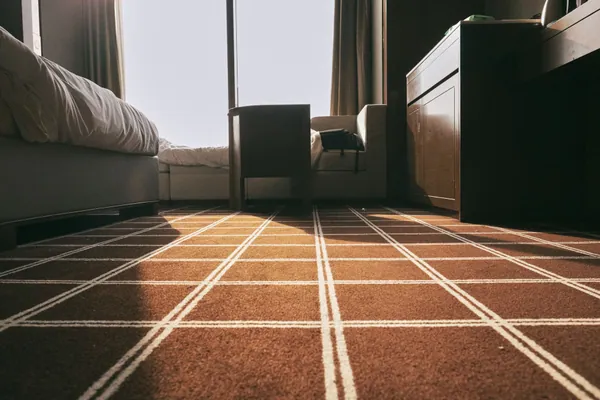
Washing method must account for the baseline ground moisture already present; very hot water may worsen the problem if aggressive extraction does not immediately follow, so timing and temperature control are critical.
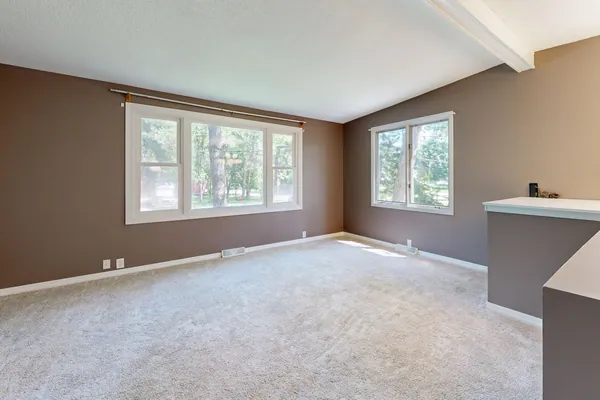
Fitted carpet in shared stairwells of these aged buildings is heavy with accumulated moisture; it is cleaned in place with awareness that the concrete beneath may be damp and the fibres possibly weakened by years of moisture.
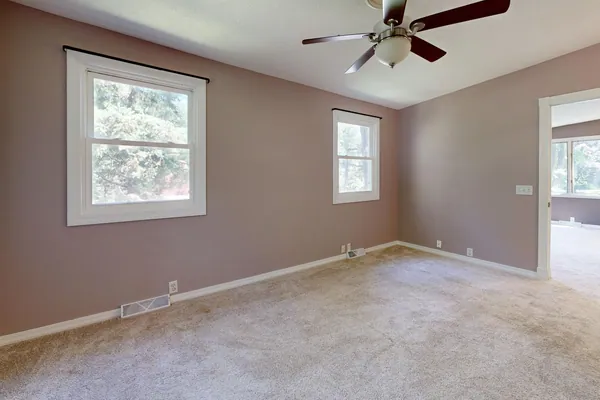
Wet extraction and drying cannot be rushed here; moisture testing after extraction is mandatory, and active fan drying or dehumidification may be necessary for days afterward to prevent mildew re-establishing once the carpet begins to cool.
Wool, synthetic and silk-blends do not take the same heat or the same material.
Before any water.
An oil stain is not treated like a juice stain.
Hot water loosens what is bound in the pile and the extractor pulls it straight back out with the water, together, so nothing is left sitting in the base.
The borders and fringe are done by hand, where machines skip and where wear shows first, so the whole rug looks even.
The carpet is left slightly damp, not wet.
Testing the material on a hidden spot is a step we treat as necessary, not optional.
The company runs a large workforce, and we send a team rather than one worker.
The deep vacuum and extraction machines are ours and arrive with the team.
If a rug needs repair or re-fringing rather than cleaning, we say so.
Photographs from real jobs carried out by the crew.












The commitment is simple enough to actually keep: we do not leave before you have seen the result and told us what you think.
Quwaizah lies beneath Wadi Al Qaws on one boundary and the Mareekh Mountains on another, geography we navigate to reach the aged apartment blocks across the district. The historic wadi and surrounding hills explain why moisture and dust converge in carpet here more persistently than anywhere else in Jeddah, shaping how the cleaning itself must be planned.
We provide these in Quwaizah too, and more than one can share a single visit.



