
The right gear for drinking water
Pumps to clear sludge, scrubbing to remove biofilm, and disinfectant meant for potable storage.
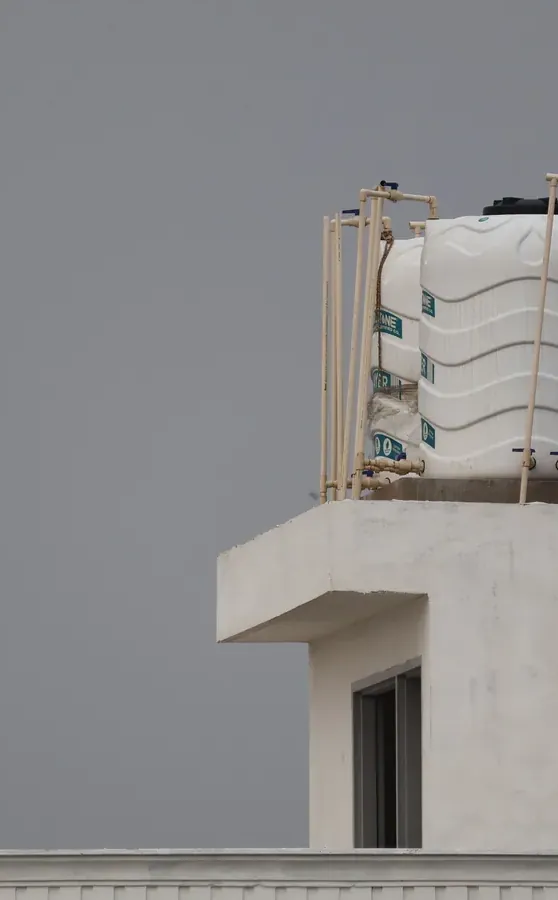
Bani Malik is a commercial area in central Jeddah, an old popular quarter with Bani Malik Market, car workshops and small industrial activity between King Fahd Road and Haramain Road. Tanks here serve offices, showrooms and small stores alongside popular residential housing, and commercial work and vehicle repair spray dust and oils that affect water quality and tank condition.
In dense commercial zones, tanks accumulate debris from light industry and oils from vehicle workshops in addition to residential consumption. For the method itself, see our water tank cleaning service in detail.
Bani Malik mixes offices, markets, showrooms and car workshops, so tanks serve multiple uses: human consumption, commercial cleaning, and sometimes light industrial needs.
Car repair shops and small industries between King Fahd Road and Haramain Road release oils, greases and heavy dust. Tanks are affected more than purely residential areas, with oily sediment harder to remove.
Bani Malik is a historic quarter with tanks and pipes that may be decades old. Rust and cracking are recurring problems requiring careful inspection before and during cleaning.
Bounded by Palestine Street to the north and Bani Malik Street to the south, the area holds old quarters including Al Rautha and Al Maliki, Al Noor Mosque and Bani Malik Park, a mix of residential and commercial activity.
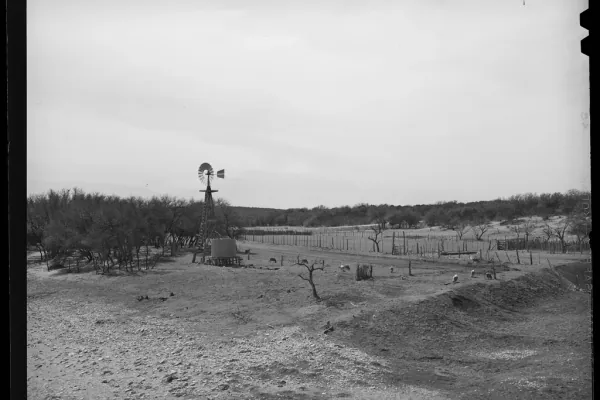
Tank in commercial area is opened and inspected to assess impact of industrial activity and surrounding pollution on water quality.
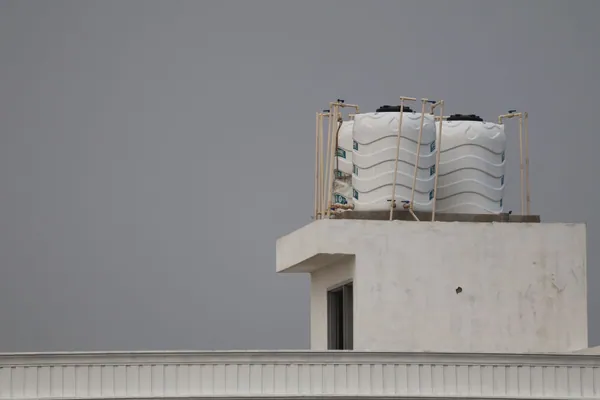
Water heavy with oils and greases is drained carefully to an approved discharge point; disposal may need special handling.
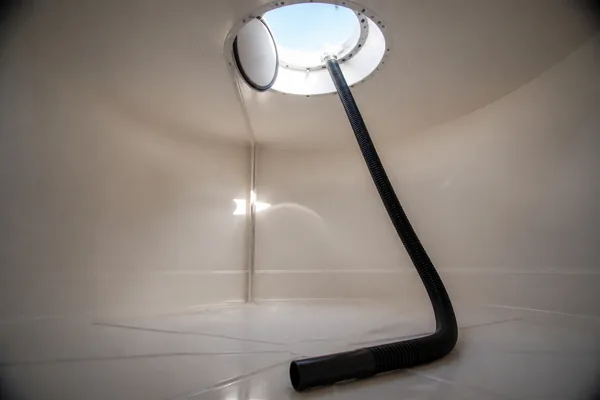
Oily and black sediment from industrial pollution is vacuumed carefully to avoid redistributing oils through the system.
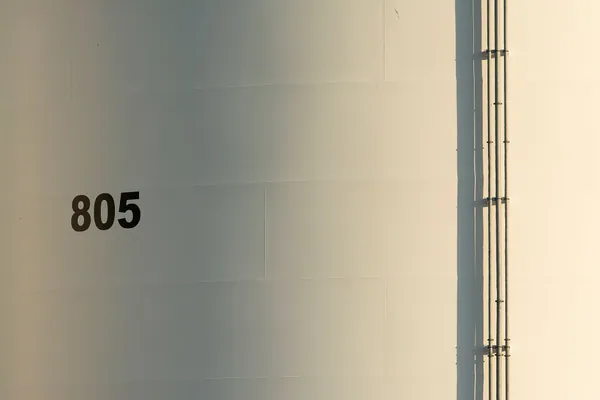
Scrubbing targets removal of oily layers and soot without aggressive chemicals that damage the tank structure.
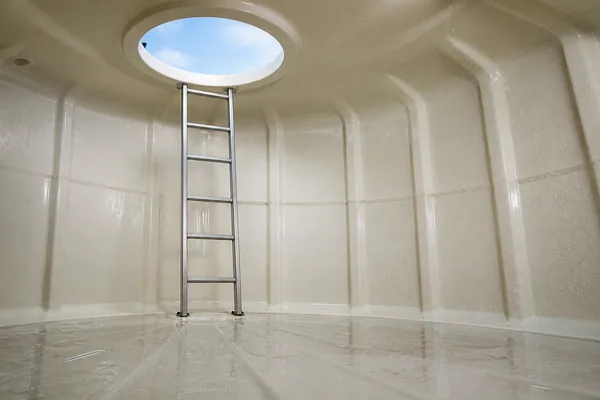
Disinfection is strong to handle bacteria that thrive in oil-contaminated environments.
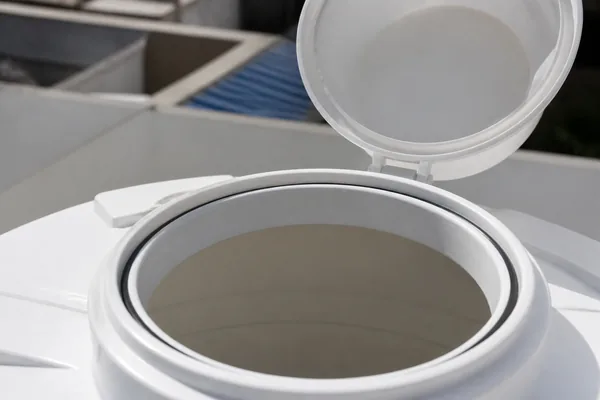
Final rinse is intensive, lid is inspected, and openings are adjusted to prevent future oil and debris entry.
The supply into the tank is shut and the tank is drained completely.
The sludge on the floor is scooped and pumped out first.
The biofilm on the walls is physically scrubbed off.
With the walls and floor clean, a disinfectant made for drinking-water storage is applied and given time to act on every surface.
The disinfectant and any loosened residue are rinsed down and pumped out, so the first tank of water after us is not carrying it.
We check the cover seal and inlet before refilling, so dust and insects stay out, then start the refill while you watch it run clear.
Pumps to clear sludge, scrubbing to remove biofilm, and disinfectant meant for potable storage.
We send a team, not one person, so a tank is drained, cleaned, disinfected and refilled in a single visit rather than left open for days.
We look at the lid seal and inlet, because a tank that got dirty fast usually has a way in.
Nothing is closed until the tank is refilling and you have seen the water run clean.
Photographs from real jobs carried out by the crew.












The commitment is simple enough to actually keep: we do not leave until the tank is disinfected, refilling, and you have seen it for yourself.
Commercial area: offices, showrooms and small stores
A commercial zone means tanks serve multiple uses alongside housing, with contamination from light industry and oil-based activities. The building stock is older and structural integrity is a concern. Cleaning must be thorough, disinfection rigorous, and structural inspection essential for safe operation.
We provide these in Bani Malik too, and more than one can share a single visit.



