
The right gear for drinking water
Pumps to clear sludge, scrubbing to remove biofilm, and disinfectant meant for potable storage.
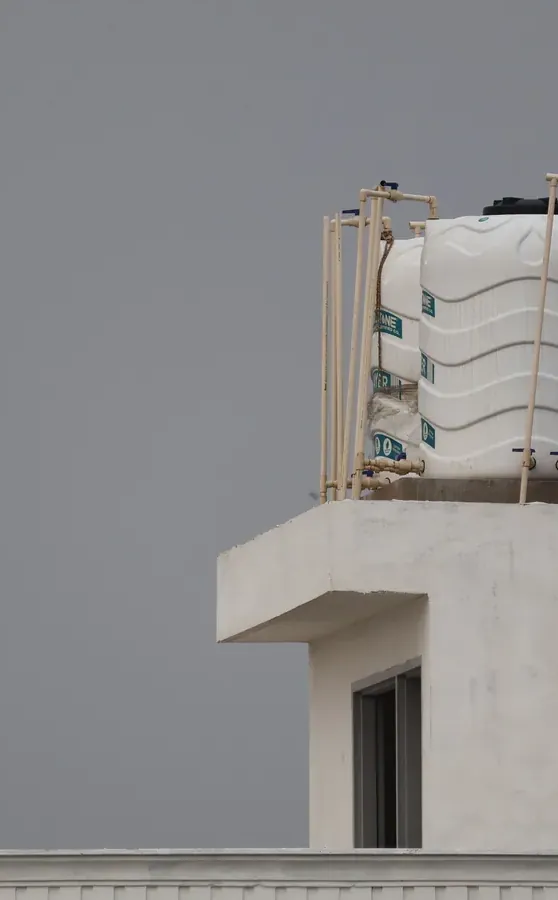
Al Wafa is a simple mixed district in east Jeddah near the university and stadium, with drier air and coarser dust than coastal neighbourhoods. Tanks here need routine cleaning, but the dust that enters leaves a heavy grey residue on the floor and in the pipes that plain rinsing does not clear. The sediment is heavier and more compact because the air is dry.
The dust here is coarser and lighter in colour because the area is far from the coast and the air is drier, meaning sediment is dry and heavy rather than moist. For the method itself, see what water tank cleaning involves.
Al Wafa is close to open land and hills, so air is drier than on the coast or in the north. Dust comes from open terrain and is coarser and does not dissolve in plain water. It settles on every surface heavily and dryly, entering the tank through small cracks as compacted grit. The sediment layer is heavier and more resistant to removal than in humid areas.
The university and stadium are very close, and heavy traffic increases dust in surrounding streets. Vehicle and motorcycle movement stirs up dry dust into the air, which settles on low tank rooftops. Slightly damp rooftop surfaces trap this dust more stubbornly than surfaces in wetter areas.
Standing tank water leaves heavy grey sediment from dry dust and mineral particles. This grey layer on the floor is tightly bonded and needs vigorous scrubbing to remove. In basins and showers, this sediment leaves a grey film that is difficult to wash away, indicating the weight and composition of what is in the tank.
A simple mid density residential district close to the main University of Jeddah Road and near open land and hills on the neighbourhood's boundaries.
The initial check reveals a thick grey layer of dry dust settled on the floor, indicating the arid environment of the area and the dust load it contributes.
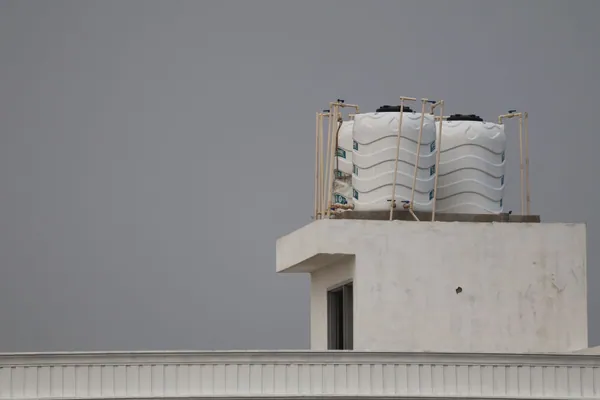
Full drainage is critical because standing water masks the heavy layer of dry sediment and mineral particles on the floor that compact and cling tightly.
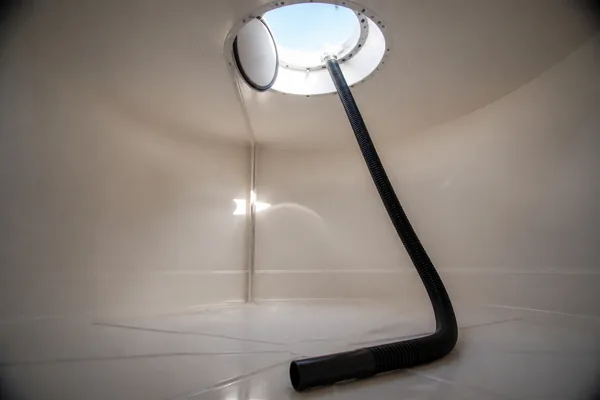
Sediment removal extracts a heavy grey layer of dust and mineral particles that have compacted, requiring specialist technique for complete removal without damage.
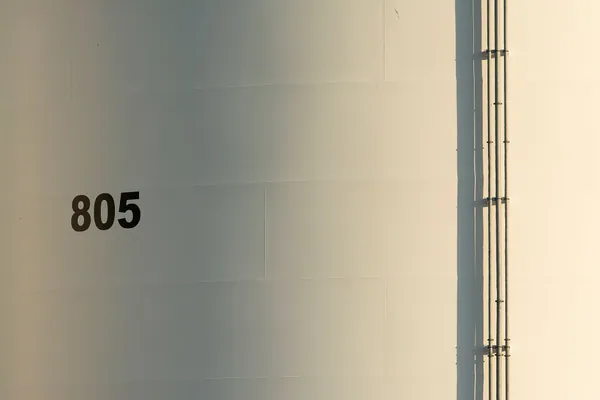
Wall scrubbing targets the grey layer tightly bonded from dry mineral dust, which resists standard scrubbing and requires adapted pressure and technique.
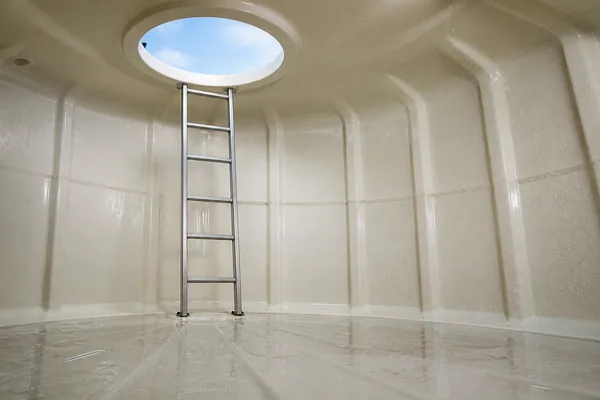
Disinfection must be thorough because the dry environment may favour different bacterial strains than humid zones, and complete killing action is essential.
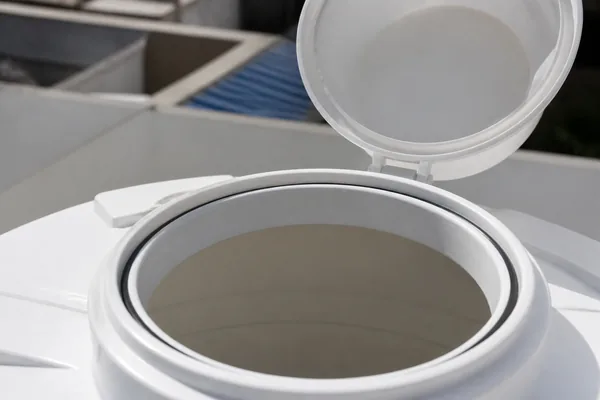
Cover and pipes are checked for cracks that would allow more dust ingress from the arid environment surrounding this neighbourhood.
The supply into the tank is shut and the tank is drained completely.
The sludge on the floor is scooped and pumped out first.
The biofilm on the walls is physically scrubbed off.
With the walls and floor clean, a disinfectant made for drinking-water storage is applied and given time to act on every surface.
The disinfectant and any loosened residue are rinsed down and pumped out, so the first tank of water after us is not carrying it.
We check the cover seal and inlet before refilling, so dust and insects stay out, then start the refill while you watch it run clear.
Mixed district: shops at street level with homes above them
Dry arid districts like Al Wafa demand different care because sediment is dry, heavy and tightly bonded.
Pumps to clear sludge, scrubbing to remove biofilm, and disinfectant meant for potable storage.
We send a team, not one person, so a tank is drained, cleaned, disinfected and refilled in a single visit rather than left open for days.
We look at the lid seal and inlet, because a tank that got dirty fast usually has a way in.
Nothing is closed until the tank is refilling and you have seen the water run clean.
Photographs from real jobs carried out by the crew.












The commitment is simple enough to actually keep: we do not leave until the tank is disinfected, refilling, and you have seen it for yourself.
East Jeddah lies furthest from the sea and closest to the open ground and hills beyond the ring roads, so the air is drier and the dust is coarser and paler than on the coast. It comes in under doors and settles on every flat surface overnight, making sofas, mattresses and curtains the heaviest part of the routine. Floors are mostly ceramic tile in the apartment districts and marble in the villa areas, both scratched by grit that is mopped rather than swept. Roof tank water leaves a grey film of sediment in baths and basins.
We provide these in Al Wafa too, and more than one can share a single visit.



