
The right gear for drinking water
Pumps to clear sludge, scrubbing to remove biofilm, and disinfectant meant for potable storage.
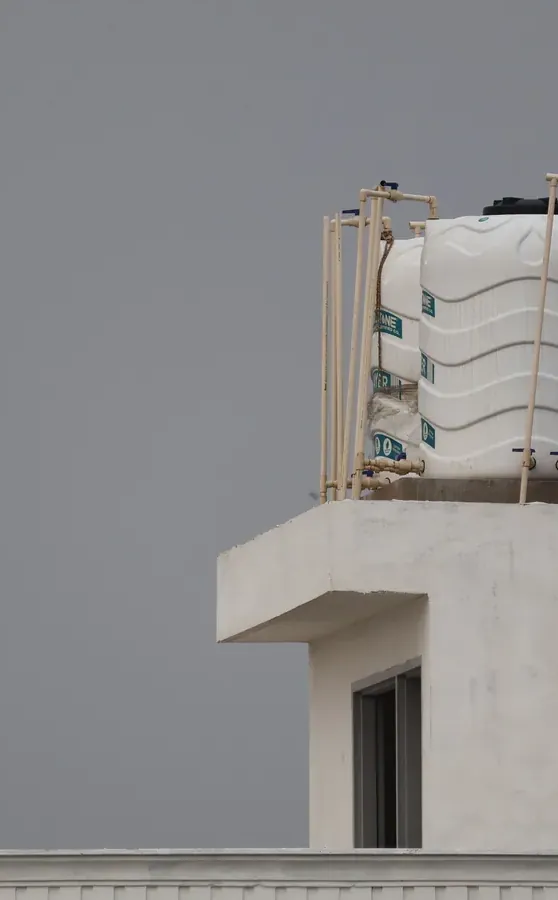
Al Muhammar is a small residential quarter in east Jeddah toward Asfan, close to the University of Jeddah. These small neighbourhoods are simple in construction and services, and tanks on the roofs may be old or neglected. Access to the tank is relatively straightforward, but its condition may need deep suction and vigorous scrubbing.
Tanks here are often old or neglected for years, and may be concrete rather than metal. Cleaning may take longer because sediment is thick and stubborn. For the method itself, see what water tank cleaning involves.
Concrete absorbs water and salts, so sediment adheres tightly to walls and floor. In Al Muhammar, old concrete tanks may have been neglected for a decade. Hard manual scrubbing and deep suction take longer than on metal tanks.
Simple small quarters often have no active building manager or residents' committee. The tank gets cleaned only when a problem forces the issue. We often find a loose or broken lid, corroded pipes or connections that need repair.
Al Muhammar sits close to Asfan Road and University of Jeddah Road. Fine grey road dust enters through air vents or a loose-fitting lid. The thick grey sediment on the floor may be road dust mixed with water sediment in equal measure.
A residential district within the Taibah sub-municipality area of east Jeddah toward Asfan, one of a cluster of small neighbouring quarters with a simple residential character, close to University of Jeddah stadium.
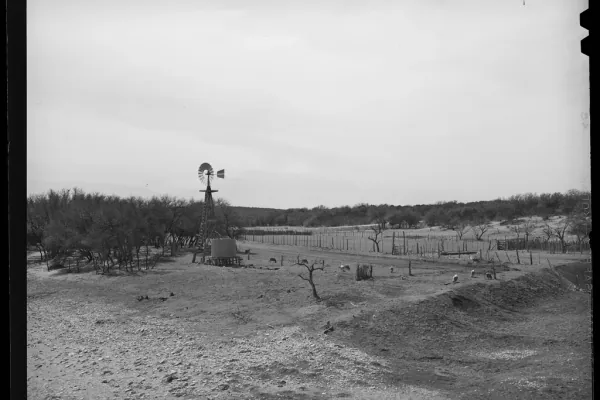
Tank inspection in Al Muhammar reveals advanced neglect and moisture, with thick and stubborn sediment layers.
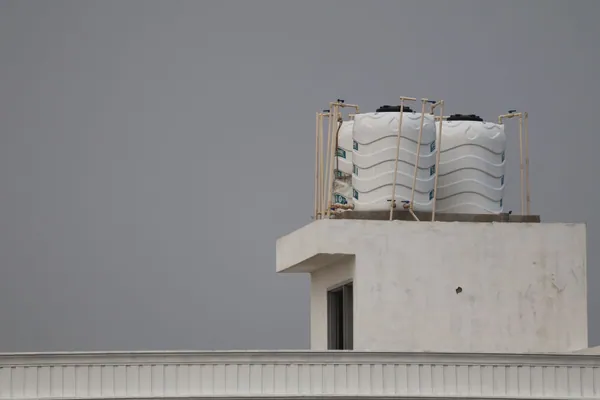
Full draining removes cloudy heavy water loaded with sediment and dust from years without cleaning.
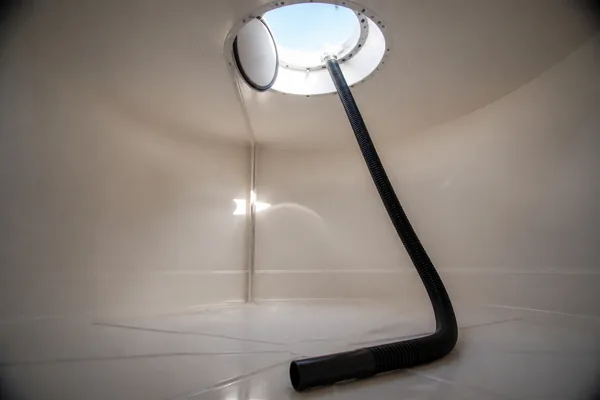
Sediment suction is careful and forceful on concrete walls to avoid erosion during removal.
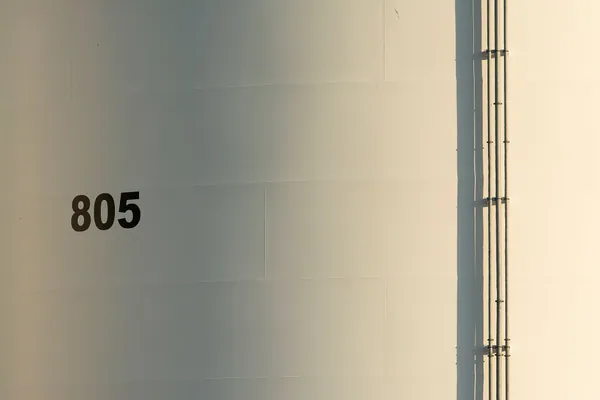
Hand scrubbing of walls and corners is vigorous and prolonged to remove algae and calcified salt layers from years of neglect.
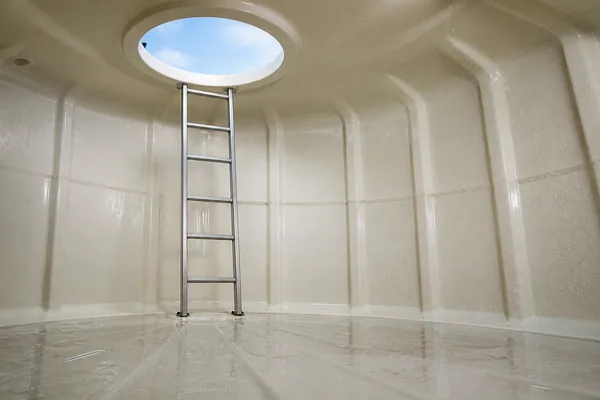
Disinfection kills bacteria and microorganisms that grew on old sediment.
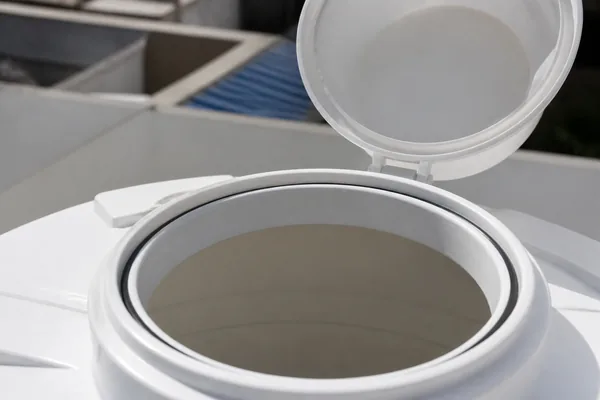
Final rinsing repeats many times to remove remaining dust and sediment and ensure water clarity.
The supply into the tank is shut and the tank is drained completely.
The sludge on the floor is scooped and pumped out first.
The biofilm on the walls is physically scrubbed off.
With the walls and floor clean, a disinfectant made for drinking-water storage is applied and given time to act on every surface.
The disinfectant and any loosened residue are rinsed down and pumped out, so the first tank of water after us is not carrying it.
We check the cover seal and inlet before refilling, so dust and insects stay out, then start the refill while you watch it run clear.
Pumps to clear sludge, scrubbing to remove biofilm, and disinfectant meant for potable storage.
We send a team, not one person, so a tank is drained, cleaned, disinfected and refilled in a single visit rather than left open for days.
We look at the lid seal and inlet, because a tank that got dirty fast usually has a way in.
Nothing is closed until the tank is refilling and you have seen the water run clean.
Photographs from real jobs carried out by the crew.












The commitment is simple enough to actually keep: we do not leave until the tank is disinfected, refilling, and you have seen it for yourself.
Al Muhammar lies between the University of Jeddah Stadium and Asfan Road, with direct access from University of Jeddah Road. We reach the tanks through inner streets, close to the University of Jeddah Stadium and Asfan Road.
We provide these in Al Muhammar too, and more than one can share a single visit.



