
The right gear for drinking water
Pumps to clear sludge, scrubbing to remove biofilm, and disinfectant meant for potable storage.
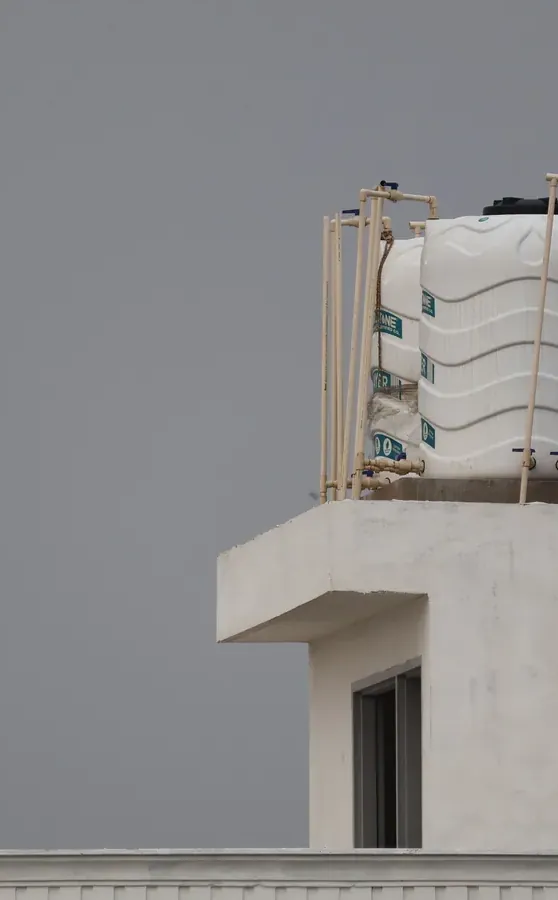
Al Thaalibah is an older quarter in south-west Jeddah where water tanks face harder conditions: crowded buildings and patchy utility infrastructure mean tanks run at uneven pressure and get cleaned less often than newer areas. Water sits longer in the tank, sediment builds faster, and algae thrives on interior walls in the heat. Tank cleaning here is not a convenience but a health necessity.
Tanks in Al Thaalibah often hold heavy sediment because water sits longer and less frequent cleaning takes place due to patchy service provision in older quarters. For the method itself, see the full water tank cleaning page.
Still water in Al Thaalibah tanks deposits minerals and fine particles that harden over time. Suction alone cannot lift them; careful scraping then high-power vacuuming is needed. Thick sediment layers harbour old bacteria and algae colonies underneath.
Heat and light that enters through cracks in the lid encourage algae growth on tank walls. Algae cannot be sprayed away; it needs vigorous scrubbing and disinfectant applied long enough to kill growth and prevent recurrence.
Old tank lids crack from heat cycling and drying. Cracks allow insects, dust and light to enter, and slow leaks lose treated water. Inspecting the lid, cleaning the seal and noting cracks is part of every tank clean in this area.
An older unplanned quarter bounded by the Islamic Port, Petromin and major roads. Rooftop tanks here have endured years of heat, dust, and water standing still without regular deep cleaning.
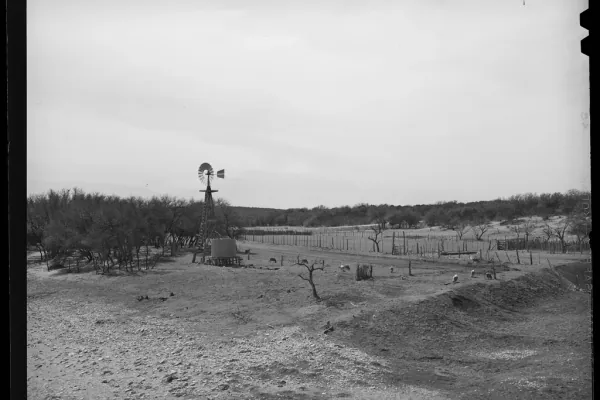
Inspecting an old Al Thaalibah tank reveals cracks in the lid and wall deposits invisible from outside, all of which compromise water safety downstream from the tank.
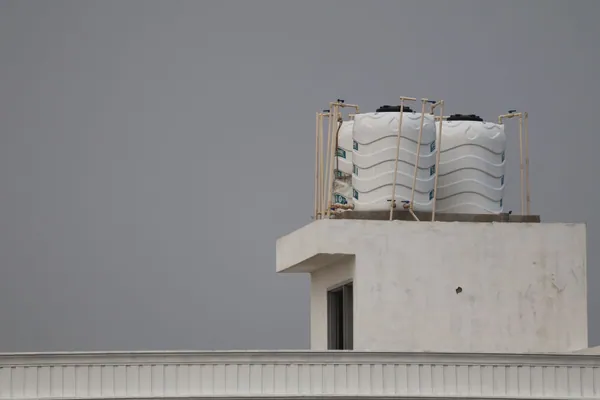
Draining old water takes longer here because some tanks lack standard drain valves, requiring pump or vacuum extraction to empty the tank fully.
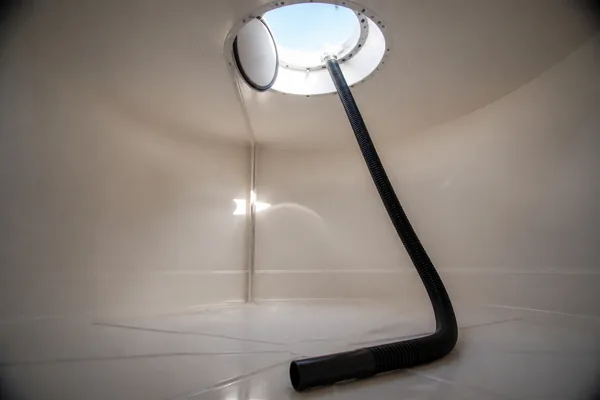
Vacuuming sediment from the floor needs powerful equipment because deposits are thick and tanks are often confined in crowded buildings, making access awkward.
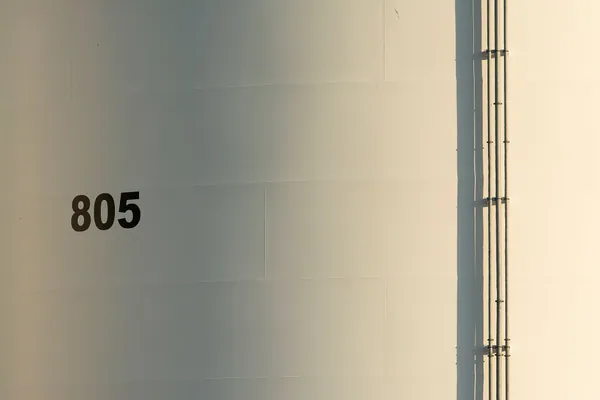
Scrubbing walls and floor takes longer because algae is rooted deep and sediment is stubborn; every surface needs individual attention to remove biofilm layers.
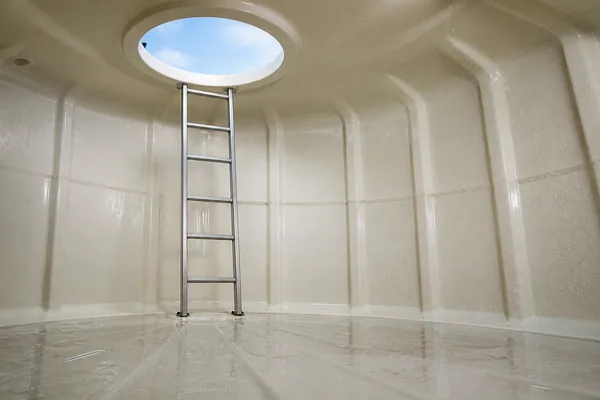
Disinfecting interior surfaces with strong product is essential here because bacteria colonise faster in poor conditions and stagnant water encourages rapid re-growth.
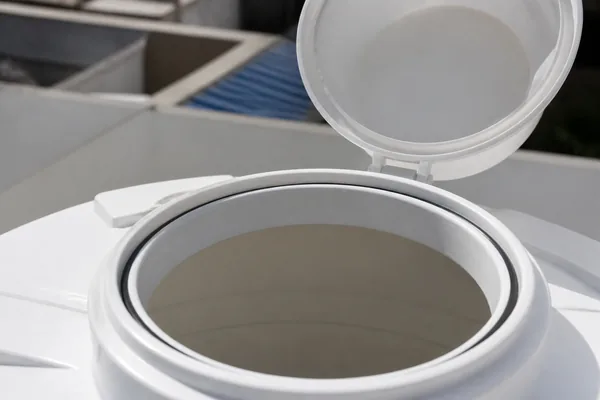
Final rinse cycles multiple times because the first water out carries heavy sediment, and lid inspection includes sealing small cracks that allow slow leaks or insect entry.
The supply into the tank is shut and the tank is drained completely.
The sludge on the floor is scooped and pumped out first.
The biofilm on the walls is physically scrubbed off.
With the walls and floor clean, a disinfectant made for drinking-water storage is applied and given time to act on every surface.
The disinfectant and any loosened residue are rinsed down and pumped out, so the first tank of water after us is not carrying it.
We check the cover seal and inlet before refilling, so dust and insects stay out, then start the refill while you watch it run clear.
Pumps to clear sludge, scrubbing to remove biofilm, and disinfectant meant for potable storage.
We send a team, not one person, so a tank is drained, cleaned, disinfected and refilled in a single visit rather than left open for days.
We look at the lid seal and inlet, because a tank that got dirty fast usually has a way in.
Nothing is closed until the tank is refilling and you have seen the water run clean.
Photographs from real jobs carried out by the crew.












The commitment is simple enough to actually keep: we do not leave until the tank is disinfected, refilling, and you have seen it for yourself.
South Jeddah runs from the port and the industrial city down towards Al Khumrah, and homes here sit between the sea and the heavy goods roads. The dust is darker and oilier than in the north, a mix of diesel soot and workshop grit, and it clings to net curtains, window sills and the tops of kitchen cupboards. Floors in the older low rise housing are often plain cement or ceramic tile that darkens where soot is walked in. Humidity from the coast adds mildew in bathrooms and a musty smell in stored fabrics.
We provide these in Al Thaalibah too, and more than one can share a single visit.



