
The right gear for drinking water
Pumps to clear sludge, scrubbing to remove biofilm, and disinfectant meant for potable storage.
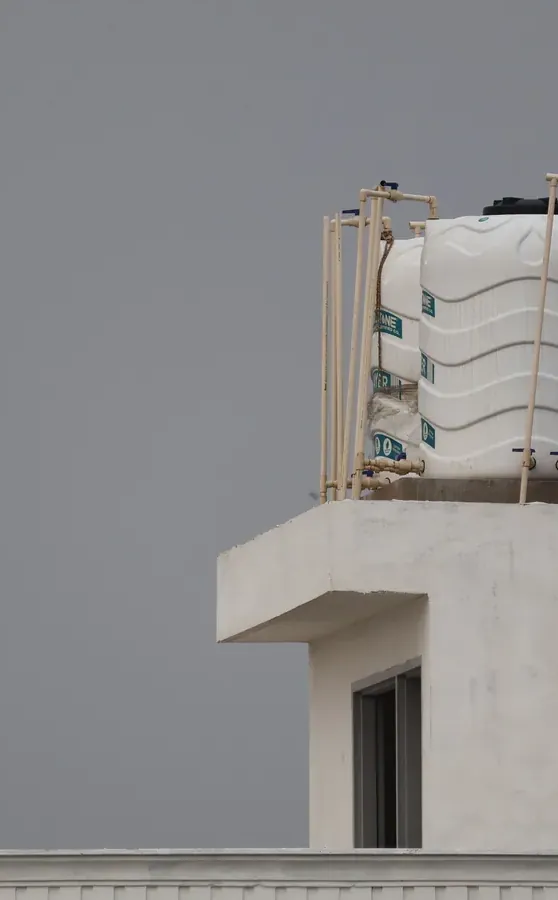
Al Shati Al Thahabi is a newly developed coastal district in north Jeddah, and tanks here face unique challenges: high humidity year-round, salt in the air, and water from the municipal supply already carrying salinity. Disinfection is not an option but a requirement for safe drinking water.
New tanks here get soiled quickly despite being fresh from the factory, because salt and moisture work together to build a sticky biofilm on walls and floor. For the method itself, see how we approach water tank cleaning.
Coastal conditions combine salt and high humidity, which speed corrosion in metal tanks and sediment buildup in plastic ones. Regular disinfection is the only answer to stop bacteria and algae before they form a resistant layer.
The district is new and the tanks are new, but salt and humidity do not wait for them to age. Sediment starts accumulating on day one, and water that looks clear may carry dissolved salts invisible to the eye but harmful to appliances.
The relentless humidity here provides perfect conditions for algae and bacteria to grow even inside sealed tanks, using the biofilm as shelter. Deep cleaning and proper disinfection stop it, but only until it returns.
A recent coastal development within the Obhur Al Shamaliyah subdivisions, with new land and housing stock throughout. High humidity and salty air directly affect every metal surface and the water quality itself.
The tank here is usually new, but we inspect closely to ensure salt has not yet begun working on the inside, and that sediment from the supply line sits on the floor.
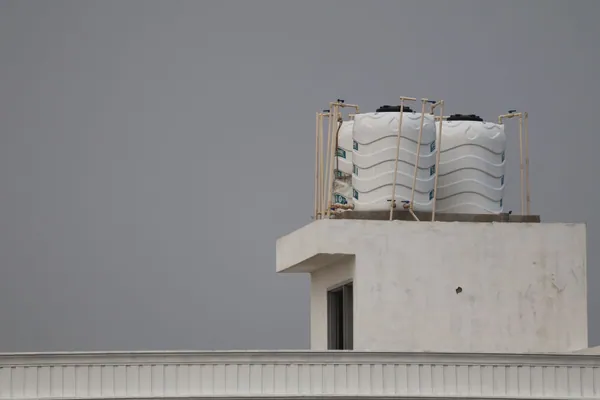
Full drainage removes salt-laden water, and the tank stays empty until it is rinsed and fully inspected for cracks or salt erosion before refilling.
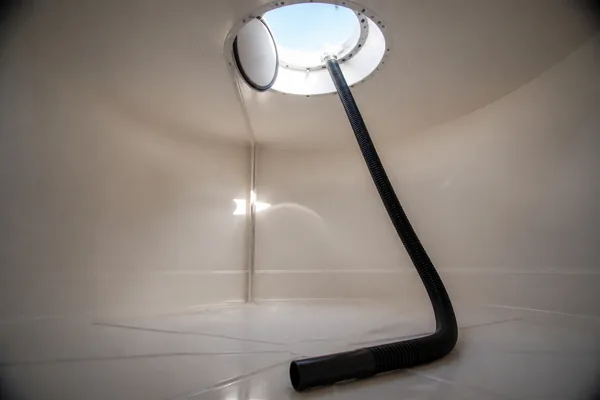
Sediment here is salt and fine particles, not just dust, so we suction it carefully to avoid redistributing it across the walls.
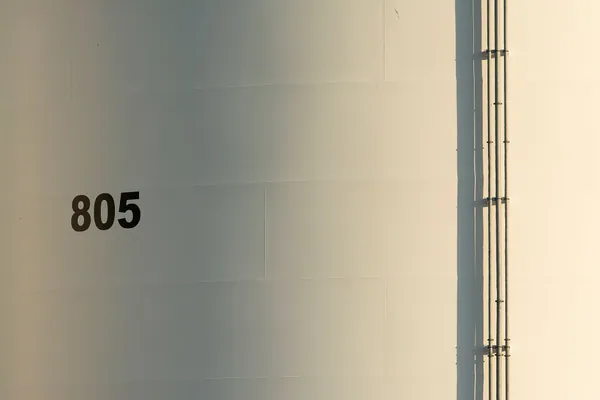
Walls are scrubbed firmly to remove fine algae and salt deposits that start growing even in brand-new tanks in this environment.
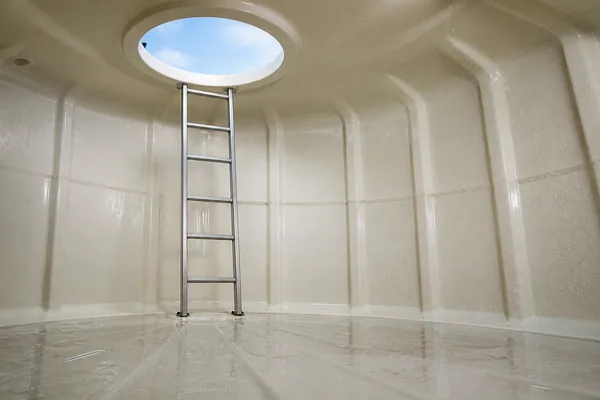
Disinfectant is chosen carefully because salt may reduce the efficacy of some sanitisers, and the product must be safe for drinking water after complete rinsing.
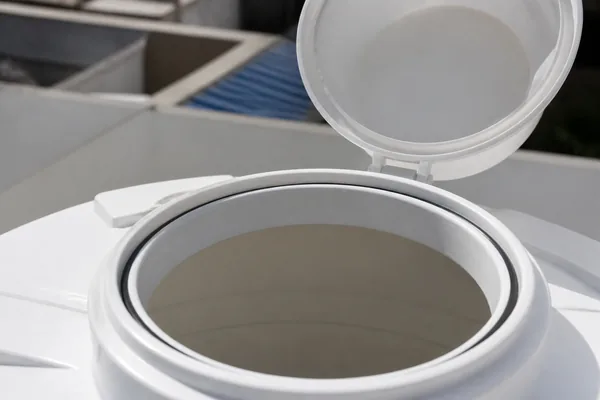
Final rinsing is extended here to remove all salt and disinfectant residue, and the lid is inspected to ensure it seals tightly against humidity and salt spray.
The supply into the tank is shut and the tank is drained completely.
The sludge on the floor is scooped and pumped out first.
The biofilm on the walls is physically scrubbed off.
With the walls and floor clean, a disinfectant made for drinking-water storage is applied and given time to act on every surface.
The disinfectant and any loosened residue are rinsed down and pumped out, so the first tank of water after us is not carrying it.
We check the cover seal and inlet before refilling, so dust and insects stay out, then start the refill while you watch it run clear.
Al Shati Al Thahabi sits about 4 km from Balbeid and about 5.5 km from Al Furqan.
Open in Google MapsPumps to clear sludge, scrubbing to remove biofilm, and disinfectant meant for potable storage.
We send a team, not one person, so a tank is drained, cleaned, disinfected and refilled in a single visit rather than left open for days.
We look at the lid seal and inlet, because a tank that got dirty fast usually has a way in.
Nothing is closed until the tank is refilling and you have seen the water run clean.
Photographs from real jobs carried out by the crew.












The commitment is simple enough to actually keep: we do not leave until the tank is disinfected, refilling, and you have seen it for yourself.
Coastal area: high humidity and salt air through the year
Coastal area: salt and high humidity mean this tank will not stay clean long. Regular disinfection and periodic inspection are essential to keep water safe to drink and use throughout the year.
We provide these in Al Shati Al Thahabi too, and more than one can share a single visit.



