
The right gear for drinking water
Pumps to clear sludge, scrubbing to remove biofilm, and disinfectant meant for potable storage.
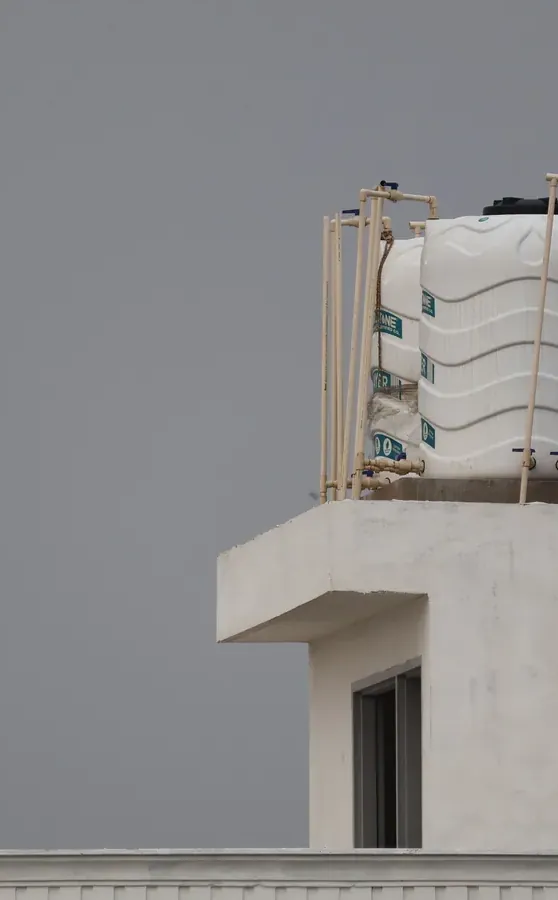
Al Rehab is a mixed district combining villas, apartment blocks, shops and university college buildings, so its tanks serve different numbers of residents and workers. The contamination does not come from one source alone, but from accumulated dust from busy roads, markets and ongoing construction surrounding the district.
Tanks serving shops and flats above them become fouled faster than those in detached villas, because the user count is higher and foot traffic is heavier. For the method itself, see our guide to water tank cleaning.
Some buildings have a single tank serving both shop and residence, others have separate tanks. Cleaning accounts for the number of users and the type of use. A shop draws heavier water consumption than a flat.
Markets, cafes and building work around the district raise the particulate load in the air. Tanks absorb this dust quickly, especially if the lid seal is not airtight.
The university college, a sports club and markets draw heavy daily traffic. Water in the tank reflects this: sediment colour changes and coastal humidity increases mould and algae growth.
Al Rehab is bounded by major congested roads: King Abdullah, Al Arbaeen and Palestine Street. The central city location means construction debris, commercial dust and exhaust fumes arrive constantly.
We open and inspect the tank before draining, especially if it serves both shops and flats, to confirm condition and any leaks present.
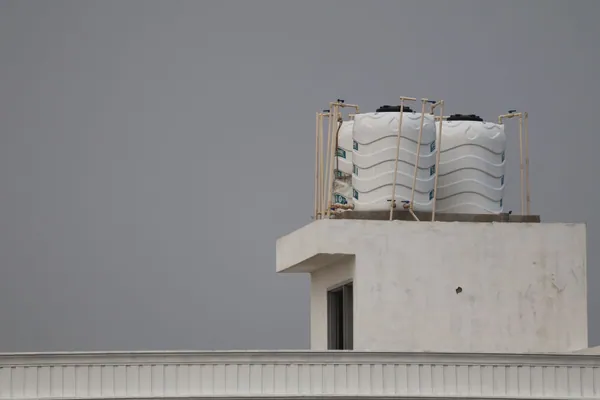
Full drainage takes longer in a crowded district because pumping from a tank serving dozens of people needs powerful equipment.
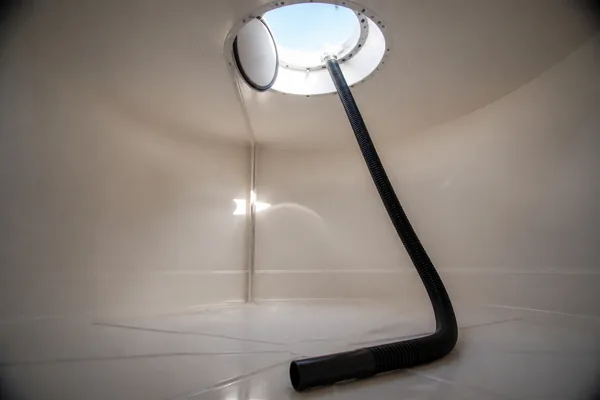
Commercial and construction dust residue is heavier and stickier, so we vacuum it carefully and do not let it swirl back into the water.
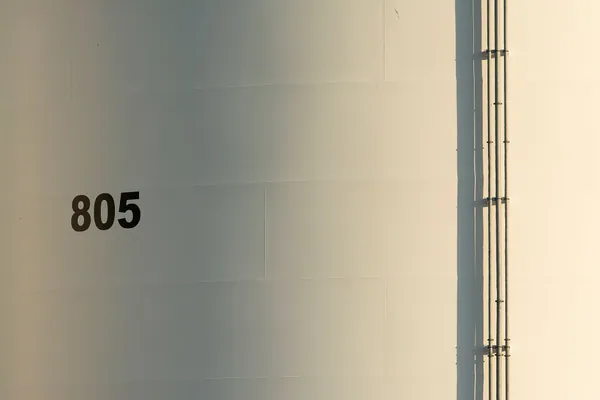
Walls and floor need hard scrubbing to remove the mould and algae that form from the moisture in a mixed-use district.
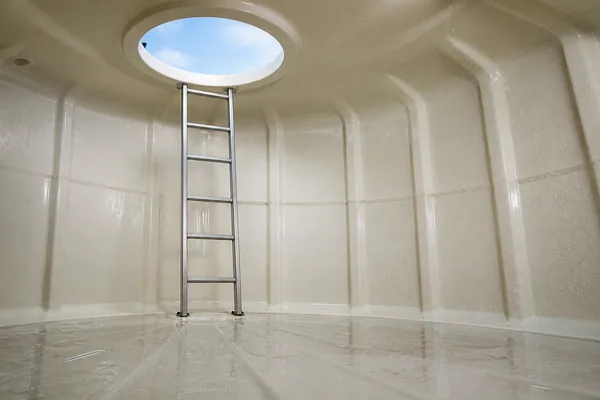
Disinfection after scrubbing prevents mould and algae from returning quickly, especially in large apartment building tanks.
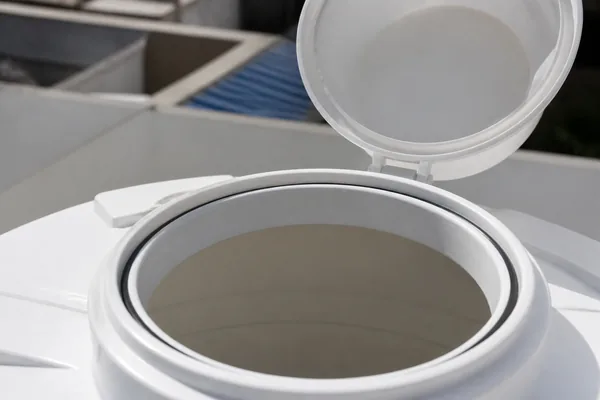
We check the lid and seals carefully because slow leakage from commercial dust enters through small cracks.
The supply into the tank is shut and the tank is drained completely.
The sludge on the floor is scooped and pumped out first.
The biofilm on the walls is physically scrubbed off.
With the walls and floor clean, a disinfectant made for drinking-water storage is applied and given time to act on every surface.
The disinfectant and any loosened residue are rinsed down and pumped out, so the first tank of water after us is not carrying it.
We check the cover seal and inlet before refilling, so dust and insects stay out, then start the refill while you watch it run clear.
Mixed district: shops at street level with homes above them
In a mixed district where one tank serves a flat and a shop together, cleaning must account for heavy use and the blend of residential, commercial and traffic pollution.
Pumps to clear sludge, scrubbing to remove biofilm, and disinfectant meant for potable storage.
We send a team, not one person, so a tank is drained, cleaned, disinfected and refilled in a single visit rather than left open for days.
We look at the lid seal and inlet, because a tank that got dirty fast usually has a way in.
Nothing is closed until the tank is refilling and you have seen the water run clean.
Photographs from real jobs carried out by the crew.












The commitment is simple enough to actually keep: we do not leave until the tank is disinfected, refilling, and you have seen it for yourself.
Tanks in Al Rehab are easily located from King Abdullah Road and Al Arbaeen Street, the two main roads that run through the heart of the district and past most large buildings.
We provide these in Al Rehab too, and more than one can share a single visit.



