
The right gear for drinking water
Pumps to clear sludge, scrubbing to remove biofilm, and disinfectant meant for potable storage.
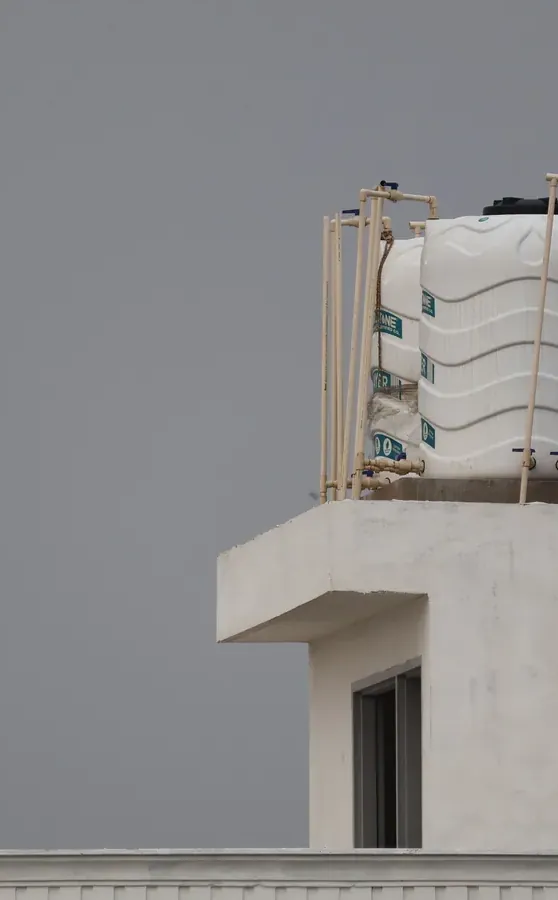
Al Quraniyah is an older south Jeddah residential district with apartment buildings and rented flats alongside some aged villas, local shops, schools and markets. The district sits between the sea and the main goods roads, so dust is black and oily from diesel soot and workshop grit. Tanks shared by many flats need careful coordination and stronger disinfection because of heavy daily use.
Tanks in Al Quraniyah collect black oily diesel soot more heavily than any other district, and water emerges visibly brown and discoloured when first drained. For the method itself, see our water tank cleaning service in detail.
The district borders the port and the heavy roads carrying large freight trucks. Black sticky diesel settles on every surface; the tank receives this soot through worn lids. Water emerges brown from soot stuck to the tank bottom. Cleaning needs strong scrubbing and stronger disinfectant than standard.
High coastal humidity combines with diesel soot to form a thick black sticky layer on tank walls. This layer does not wash away with normal rinsing; it needs hard manual scrubbing and heavy disinfectant. Mildew grows underneath this layer and gives water a musty smell.
Old buildings hold many rented flats on a single shared tank. Coordination with multiple flat owners is difficult. High consumption means tanks get soiled faster, and disinfectant must be stronger to fight bacteria from many different users and inconsistent maintenance standards.
A south Jeddah district between the port and heavy goods routes, where diesel soot and grime from large trucks settle on tanks and rooftops, and high coastal humidity causes mildew and musty smells.
Tank inspection in Al Quraniyah focuses on finding thick black soot layers that might block pipe connections and disrupt water flow.
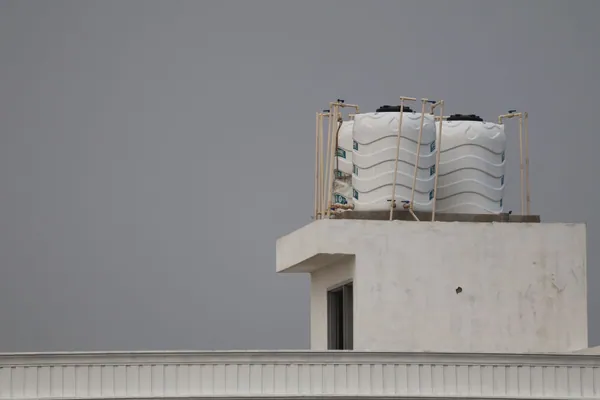
Old water holds sticky diesel soot and black deposits, needing very high suction power to remove the thick sticky residue from the tank bottom.
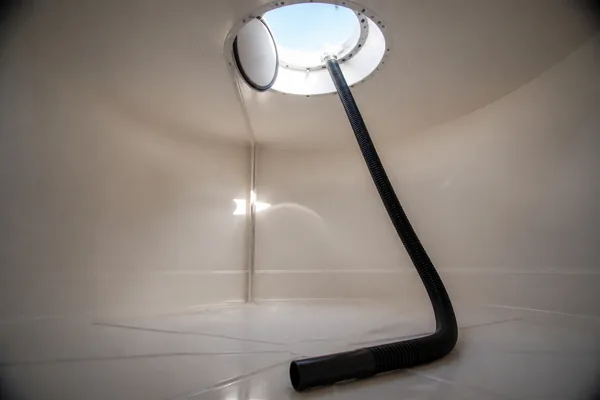
Black sticky soot deposits cannot be removed by normal rinsing; they need hard manual scrubbing and double vacuuming to ensure complete removal.
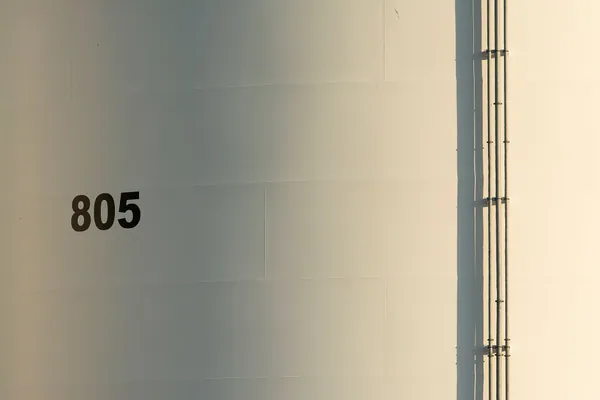
Scrubbing walls hard removes the thick black sticky layer of soot and mildew that builds up on all internal surfaces from the oily soot environment.
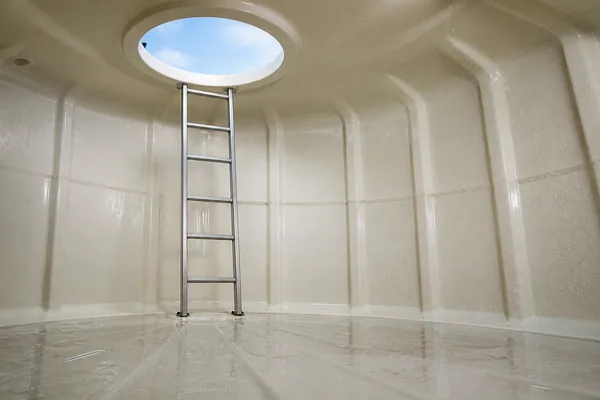
Disinfection must be much stronger to fight bacteria thriving in humid, oily conditions created by diesel soot and high coastal moisture.
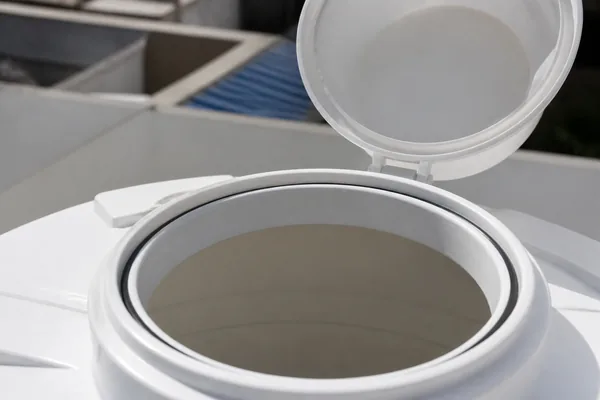
Lid and pipe inspection is vital because soot may block ventilation holes and cause air pressure imbalances that prevent proper tank refilling.
The supply into the tank is shut and the tank is drained completely.
The sludge on the floor is scooped and pumped out first.
The biofilm on the walls is physically scrubbed off.
With the walls and floor clean, a disinfectant made for drinking-water storage is applied and given time to act on every surface.
The disinfectant and any loosened residue are rinsed down and pumped out, so the first tank of water after us is not carrying it.
We check the cover seal and inlet before refilling, so dust and insects stay out, then start the refill while you watch it run clear.
In Al Quraniyah, tanks sit on building roofs between Al Waqidi Primary School and Al Qurayniyah Market. We reach them via old residential streets and apartment blocks, and those closest to Al Lith Road heavy traffic need priority because diesel soot enters them most heavily.
Pumps to clear sludge, scrubbing to remove biofilm, and disinfectant meant for potable storage.
We send a team, not one person, so a tank is drained, cleaned, disinfected and refilled in a single visit rather than left open for days.
We look at the lid seal and inlet, because a tank that got dirty fast usually has a way in.
Nothing is closed until the tank is refilling and you have seen the water run clean.
Photographs from real jobs carried out by the crew.












The commitment is simple enough to actually keep: we do not leave until the tank is disinfected, refilling, and you have seen it for yourself.
South Jeddah runs from the port and the industrial city down towards Al Khumrah, and homes here sit between the sea and the heavy goods roads. The dust is darker and oilier than in the north, a mix of diesel soot and workshop grit, and it clings to net curtains, window sills and the tops of kitchen cupboards. Floors in the older low rise housing are often plain cement or ceramic tile that darkens where soot is walked in. Humidity from the coast adds mildew in bathrooms and a musty smell in stored fabrics.
We provide these in Al Quraniyah too, and more than one can share a single visit.



