
The right gear for drinking water
Pumps to clear sludge, scrubbing to remove biofilm, and disinfectant meant for potable storage.
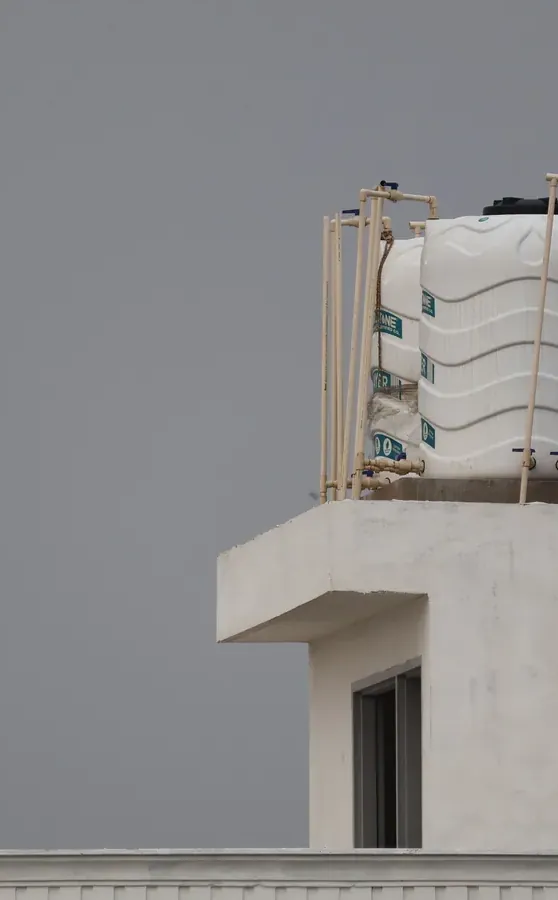
Al Bayan is a residential district within the Taibah sub-municipality area of east Jeddah toward Asfan, one of a cluster of small neighbouring quarters with simple residential character. Tanks here serve older popular homes, and water may carry sediment from ageing pipework and unpaved roads that surround the area, bringing dust and particles with every storm.
In simple eastern neighbourhoods, tanks tend to hold sediment from aged pipework and dust carried in by wind from unpaved roads and the wadi. For the method itself, see the full water tank cleaning page.
Al Bayan consists of modest homes that may be older, and aged pipework deposits iron and rust into water. Cleaning must be deep to handle sediment from multiple sources and years of accumulation.
Proximity to Wadi Al Ghawla and unpaved roads increases dust and sand entry to tanks, especially during dry seasons and strong winds when dust storms carry fine particles into the system.
Small neighbourhoods remote from central services may receive irregular maintenance, so tanks may not have been cleaned for years and sediment build-up can be very deep and stubborn.
The district lies close to the University of Jeddah road and Wadi Al Ghawla in a cluster of small simple residential quarters, away from central density but within reach of main roads for service access.
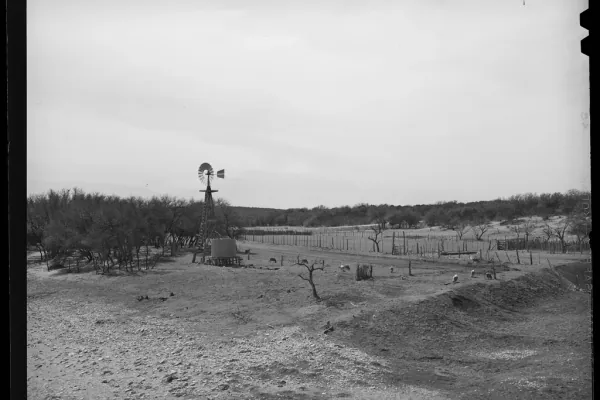
Tank is opened and inspected carefully to assess sediment origin, rust deposits and dust accumulation from the surrounding environment.
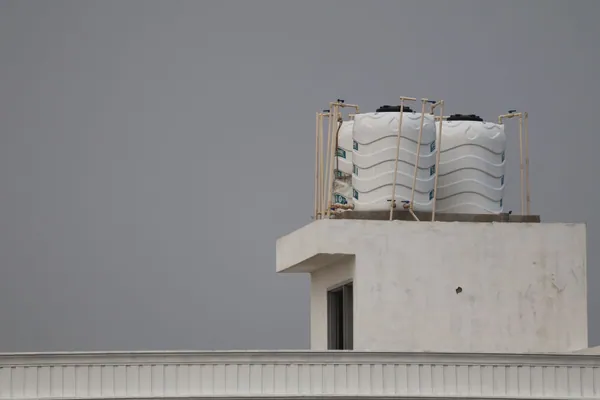
Old water heavy with sediment is drained carefully to an approved safe location agreed in advance.
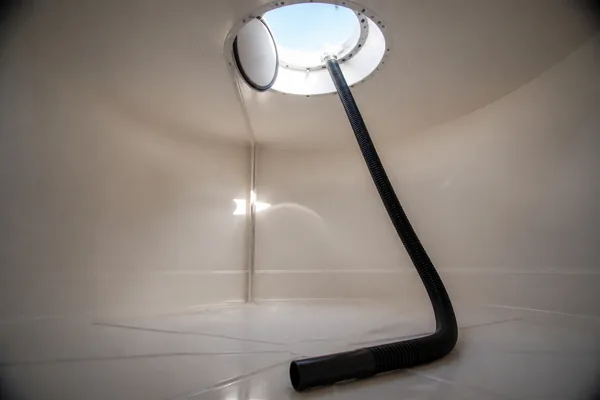
Heavy sediment and rust deposits are vacuumed with force from the floor where the heaviest contaminants settle.
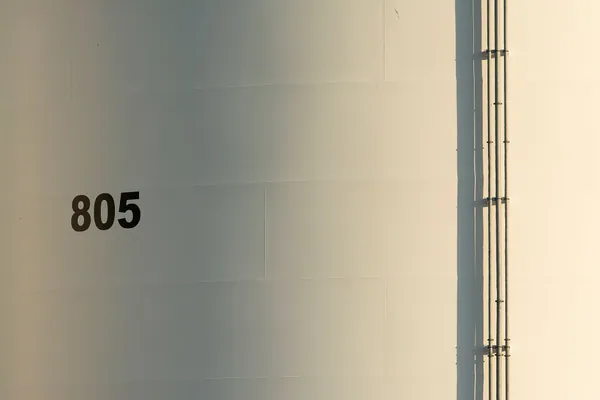
Scrubbing focuses on removing rust layers and algae from walls and corners without damaging the tank structure.
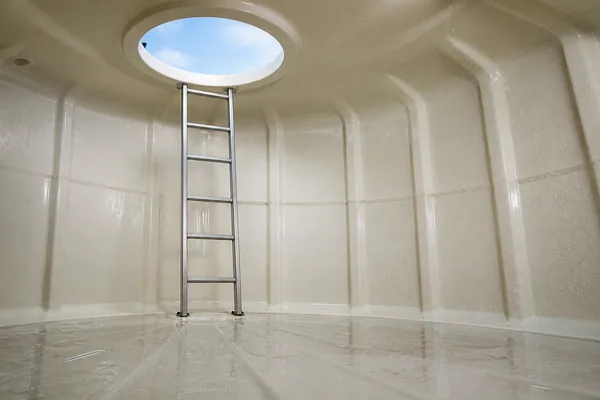
Disinfection is thorough to kill any bacteria or fungi carried in by wind and dust exposure.
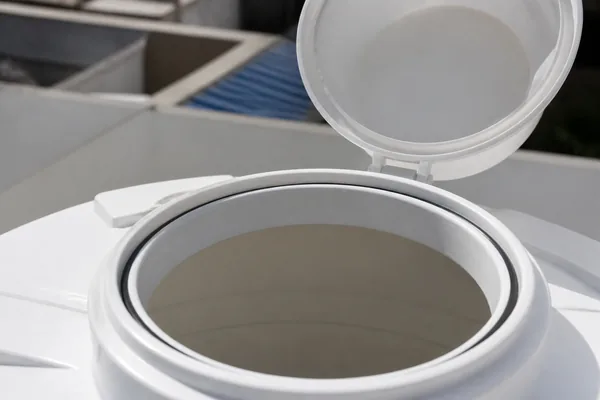
Final rinse is intensive, lid is checked, and openings are sealed to prevent future dust entry.
The supply into the tank is shut and the tank is drained completely.
The sludge on the floor is scooped and pumped out first.
The biofilm on the walls is physically scrubbed off.
With the walls and floor clean, a disinfectant made for drinking-water storage is applied and given time to act on every surface.
The disinfectant and any loosened residue are rinsed down and pumped out, so the first tank of water after us is not carrying it.
We check the cover seal and inlet before refilling, so dust and insects stay out, then start the refill while you watch it run clear.
Pumps to clear sludge, scrubbing to remove biofilm, and disinfectant meant for potable storage.
We send a team, not one person, so a tank is drained, cleaned, disinfected and refilled in a single visit rather than left open for days.
We look at the lid seal and inlet, because a tank that got dirty fast usually has a way in.
Nothing is closed until the tank is refilling and you have seen the water run clean.
Photographs from real jobs carried out by the crew.












The commitment is simple enough to actually keep: we do not leave until the tank is disinfected, refilling, and you have seen it for yourself.
Mixed district: shops at street level with homes above them
A mixed district means simple homes with basic services and often aged infrastructure. Tanks here serve popular housing that may be older, so cleaning focuses on removing heavy sediment and rust from aged pipes and dust brought in by the surrounding unpaved environment.
We provide these in Al Bayan too, and more than one can share a single visit.



