
The right gear for drinking water
Pumps to clear sludge, scrubbing to remove biofilm, and disinfectant meant for potable storage.
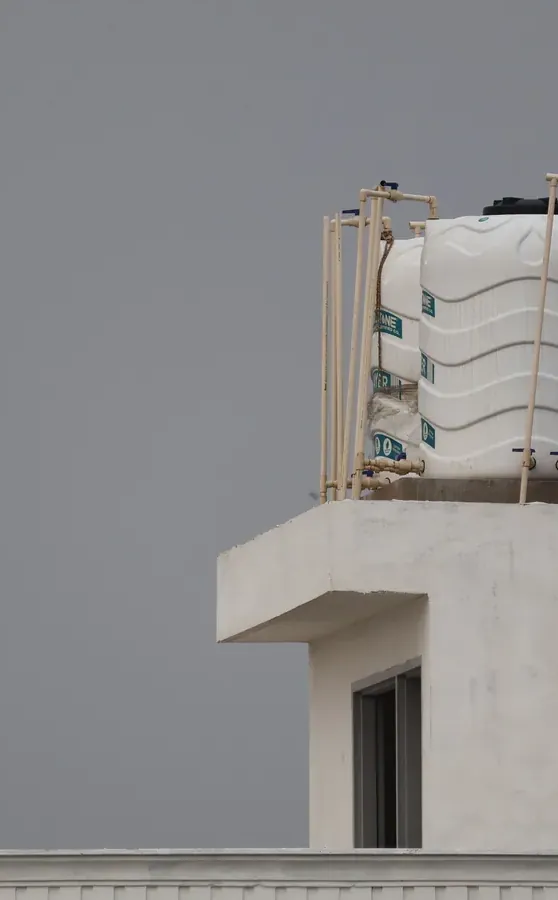
Abhur South sits on Obhur Creek itself, where high humidity and salt air touch everything, including the water in your tank. Algae grows faster here, mould thrives on wet walls, and the tank needs special care because coastal conditions will not leave sediment alone. The tank is not just storing water, it is holding a climate.
Coastal tanks here require cleaning more frequently than inland tanks, as algae and mould thrive in constant heat and humidity, building up faster and thicker. For the method itself, see our guide to water tank cleaning.
Year-round humidity means algae grows quickly on the walls, and salt carried in the air settles inside the tank and layers. Scrubbing here is harder, because algae roots run deep and salt leaves a hard crust high on the walls. The floor is not the only place sediment hides; the walls hold it too.
High humidity means mould returns to any surface quickly. Your tank is no exception. Disinfection alone is not enough; the walls must be scrubbed and disinfected together, and with more force than a tank in the centre of the city would need.
When new water fills the tank, it begins to dissolve the salt and minerals caked on the walls, so the water may cloud immediately after cleaning. This is normal; the water clears within hours, and the salts sink to the bottom. A second light rinsing after a few hours can help clear it faster.
A coastal strip directly on Obhur Creek, stretching from the South Obhur Corniche with chalets, rest houses, resorts and villas, where the air stays humid and carries salt spray throughout the year.
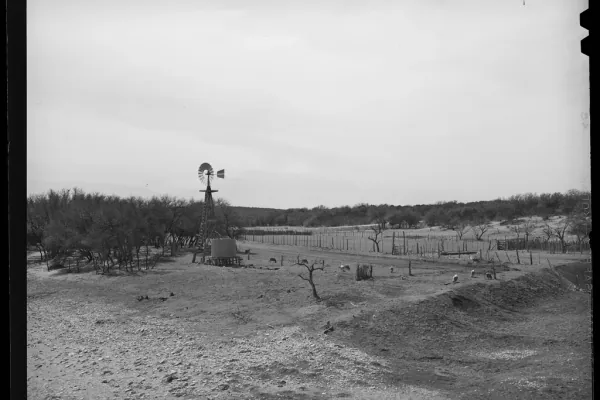
We inspect the tank from outside, observe the water colour, ask when it was last cleaned, and check whether the lid seals properly against salt air.
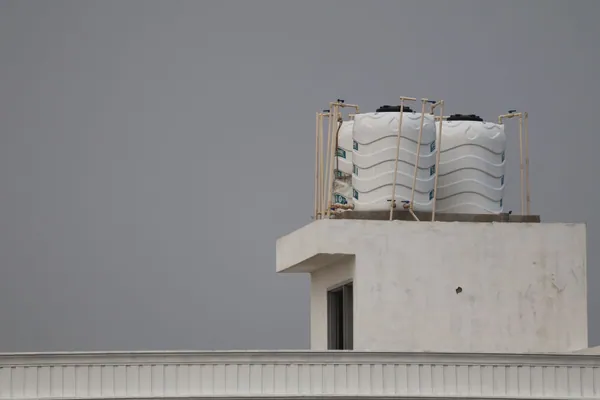
We drain all water completely and confirm all external water inlets are closed to prevent fresh water entering during cleaning.
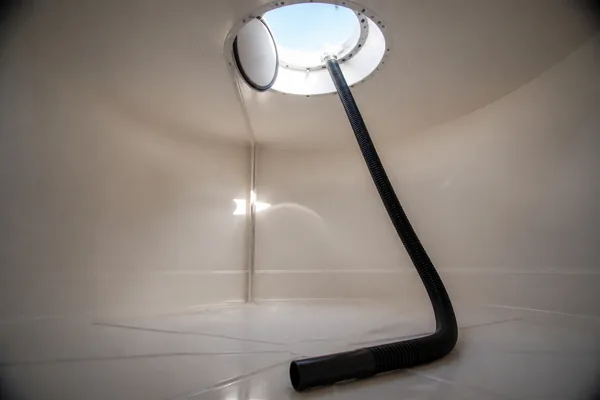
We vacuum sediment and mud from the floor by suction, and in coastal tanks remove any salt crusts or mineral buildup on lower walls and floor.

We scrub walls and floor hard, because algae and salt deposits need strong scrubbing to come loose. Corners and upper walls get careful attention.
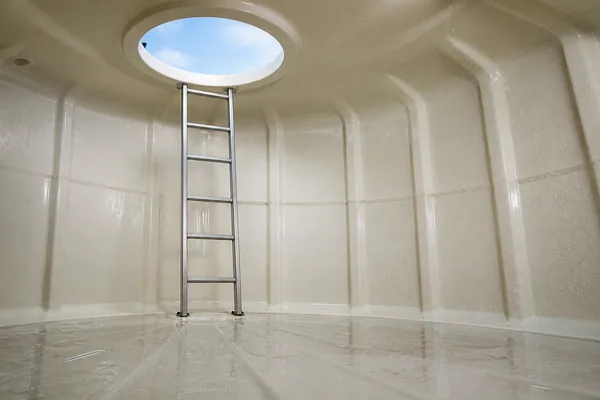
We disinfect with a strong water-safe agent, allowing full contact time to kill bacteria, algae spores and any mould.
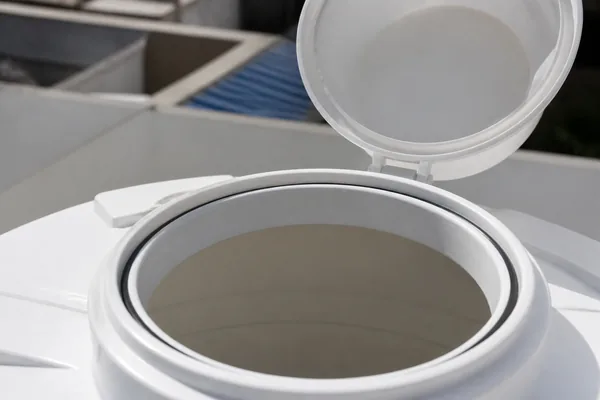
We rinse several times with clean water, inspect the lid and inlet screen, then refill slowly while you watch the water clear.
The supply into the tank is shut and the tank is drained completely.
The sludge on the floor is scooped and pumped out first.
The biofilm on the walls is physically scrubbed off.
With the walls and floor clean, a disinfectant made for drinking-water storage is applied and given time to act on every surface.
The disinfectant and any loosened residue are rinsed down and pumped out, so the first tank of water after us is not carrying it.
We check the cover seal and inlet before refilling, so dust and insects stay out, then start the refill while you watch it run clear.
Pumps to clear sludge, scrubbing to remove biofilm, and disinfectant meant for potable storage.
We send a team, not one person, so a tank is drained, cleaned, disinfected and refilled in a single visit rather than left open for days.
We look at the lid seal and inlet, because a tank that got dirty fast usually has a way in.
Nothing is closed until the tank is refilling and you have seen the water run clean.
Photographs from real jobs carried out by the crew.












The commitment is simple enough to actually keep: we do not leave until the tank is disinfected, refilling, and you have seen it for yourself.
Abhur South stretches from the South Obhur Corniche to Obhur Creek inland. Access to the villas and chalets is by King Abdulaziz Road or Madinah Road, and the team reaches your tank directly wherever it stands on your property.
We provide these in Abhur South too, and more than one can share a single visit.



