
We test before we treat
Reading the water first isn't optional to us.
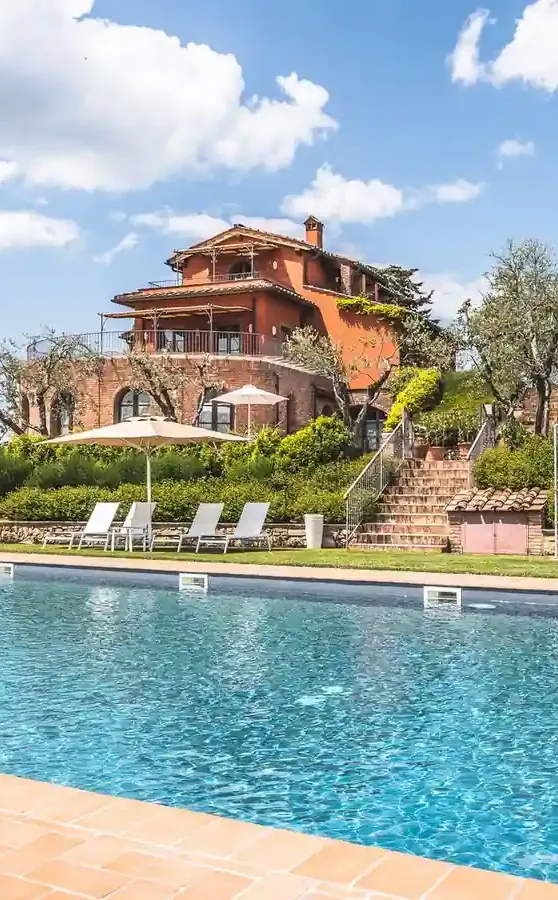
Al Waziriyah is a compact district wedged between the port and the industrial roads, where oily dust settles on pools faster than anywhere else in Jeddah. The unique mixture of diesel soot and sea salt requires different chemical dosing, and the high humidity from the coast encourages algae even when chlorine is strong. Water chemistry here drifts faster than in northern areas.
Pool walls in Al Waziriyah accumulate a fine oily film within days of cleaning. Surface scrubbing alone fails because the soot film penetrates ceramic and clings to transparent pool curtains and window sills. For the method itself, see our swimming pool cleaning service in detail.
Diesel soot mixed with sea salt does not rise like ordinary dust; it settles into a sticky layer on the floor. Walls blacken faster where soot is walked in, and the filter clogs much more rapidly than in districts far from heavy traffic routes. Deep vacuuming every visit is essential because the sediment is dense and will not lift without effort.
Air from the sea close by means that fine algae grows beneath the surface film even when chlorine measures strong, because salt air reduces sanitiser effectiveness. Water chemistry drifts faster here than in the dry north. Testing fortnightly is not enough; testing weekly catches the drift before algae becomes visible.
Most pools in Al Waziriyah are built on plain cement floors, not tiled, and soot penetrates the surface. Damp concrete reacts with sea salt and develops musty odours. Cleaning requires different technique because aggressive scrubbing on soft cement causes damage, yet gentle scrubbing leaves the black stain.
The district lies between the sea and the heavy goods roads. The darker, oilier dust settles into pool water more rapidly than in northern Jeddah, increasing filter load and requiring deeper floor cleaning more often.

Water in Al Waziriyah contains more natural salt than north Jeddah borehole water, so testing first establishes the correct chemical dose before any treatment is added to prevent over-chlorination.
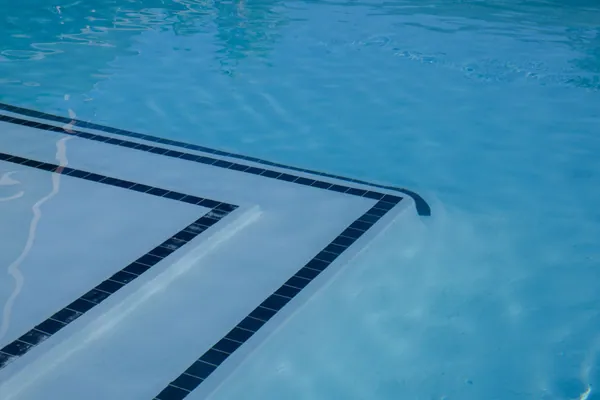
Pool walls blacken with oily soot within days, requiring more vigorous and frequent brushing than in districts away from the heavy roads and industrial area to maintain visible cleanliness.
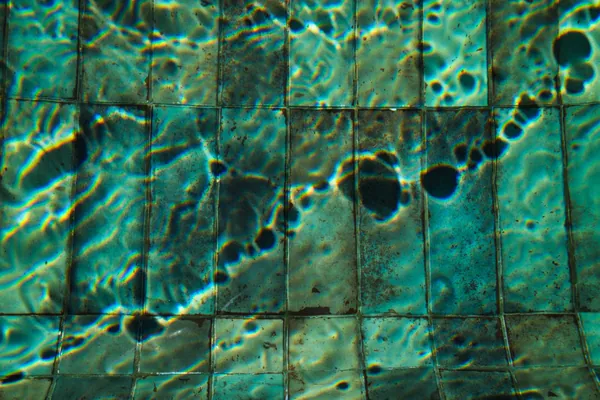
The oily dust from the roads forms a thick, heavy sediment on the floor that does not float; deep vacuuming every visit is essential because the soot is dense and will compact if left undisturbed.
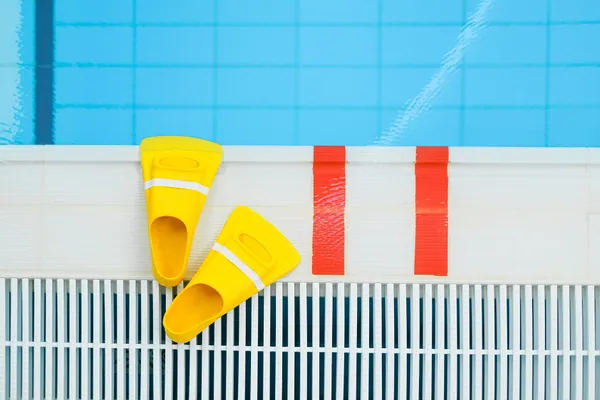
Skimmer and baskets fill quickly with leaves and fine dust particles from the nearby roads, so cleaning every few days prevents backlog and maintains water flow through the filtration system.
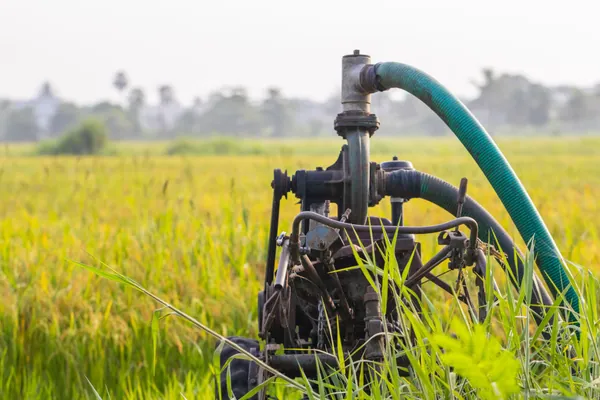
The filter in Al Waziriyah clogs faster than in other districts due to fine oily particles, making weekly backwash essential to prevent rapid pressure loss and maintain circulation.
Chemical balance drifts faster here due to sea salt and high humidity, so rebalancing after every service is necessary to prevent algae blooms and ensure the water remains safe and clear.
pH, sanitiser and hardness are read at the start.
Floating leaves and debris come off before we brush.
Algae and the oily waterline film cling to the surfaces.
Silt settles in the deep end and the corners the return jets never reach.
The skimmer and pump baskets are cleared and the filter checked or backwashed.
With the water clean, we balance and dose, then walk the pool with you before leaving.
Al Waziriyah is framed by Al Falah Road to the north and Zainal Street to the south, and sits very close to Prince Abdullah Al Faisal Stadium and King Abdulaziz Hospital. Access to pools is straightforward from these main routes, but dust from the busy roads reaches the pools continuously, sometimes before a cleaning team can finish one visit.
Reading the water first isn't optional to us.
The company runs a large crew, and we send a team rather than one person.
Pumps, vacuum heads and the test kit come with the team.
If the pump or the plumbing is the real problem, we tell you.
Photographs from real jobs carried out by the crew.












The commitment is simple enough to actually keep: we don't leave until you've seen the result and had your say on it.
South Jeddah runs from the port and the industrial city down towards Al Khumrah, and homes here sit between the sea and the heavy goods roads. The dust is darker and oilier than in the north, a mix of diesel soot and workshop grit, and it clings to net curtains, window sills and the tops of kitchen cupboards. Floors in the older low rise housing are often plain cement or ceramic tile that darkens where soot is walked in. Humidity from the coast adds mildew in bathrooms and a musty smell in stored fabrics.
We provide these in Al Waziriyah too, and more than one can share a single visit.



