
We test before we treat
Reading the water first isn't optional to us.
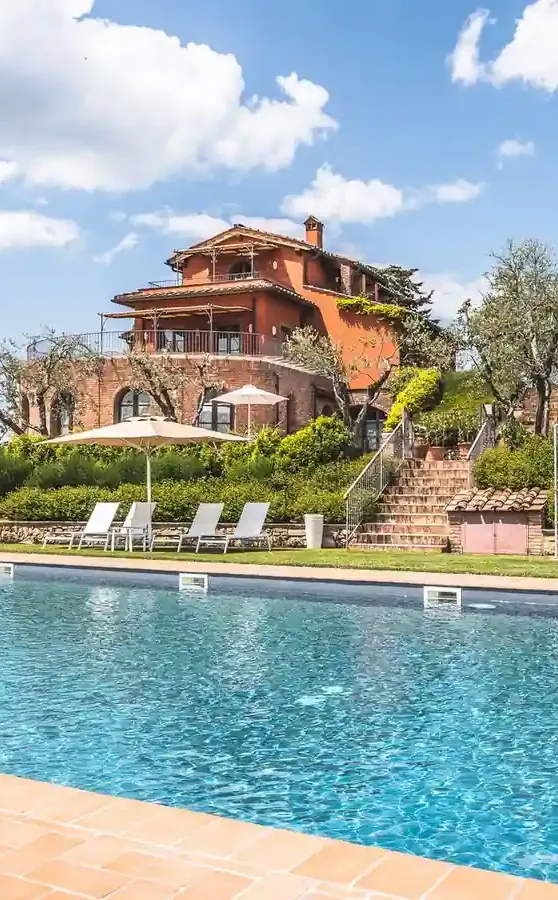
Al Quraiyat is an old popular district in south Jeddah within the Al Jamiah sub-municipality, densely occupied by ageing apartment blocks between Al Thaalibah and the Nazlah quarters. The dust here is darker and oilier than in the north, a mix of diesel soot and workshop grit that clings to window sills and tops of kitchen cupboards, and floors are often plain cement or old ceramic tile that darkens where soot is walked in.
Dust in south Jeddah carries diesel soot from trucks and industry, not clean desert dust. Humidity and stale air smell are part of pool life here. For the method itself, see how we approach swimming pool cleaning.
South Jeddah lies under the truck routes and industrial zone, so dust carries diesel soot and heavy oils. This settles on pool walls and waterline as a brown layer that plain water does not remove.
Warm damp sea air mixes with diesel soot and heavy metals, creating a poor environment for bacterial control. Water may look clear but holds stale odour even when chlorine is adequate.
Pools in Al Quraiyat often have plain cement or old ceramic tile. Soot settles and darkens them, and cleaning takes hard scrubbing that may leave permanent staining.
Al Quraiyat sits between the port and the heavy goods roads, where dust is darker and more oily, and coastal humidity adds mildew in bathrooms.
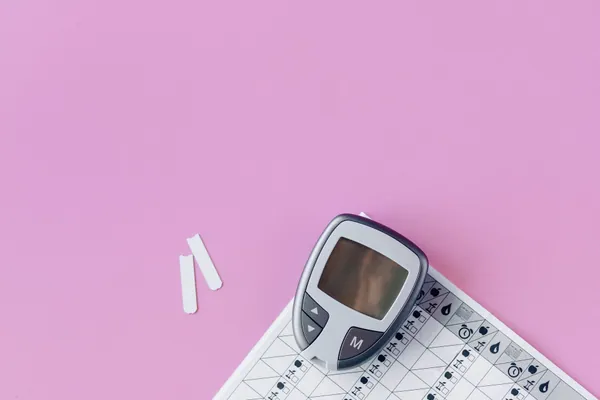
Al Quraiyat is old and polluted, so water carries heavy minerals and soot; pH testing shows rapid drift because of industrial contamination.
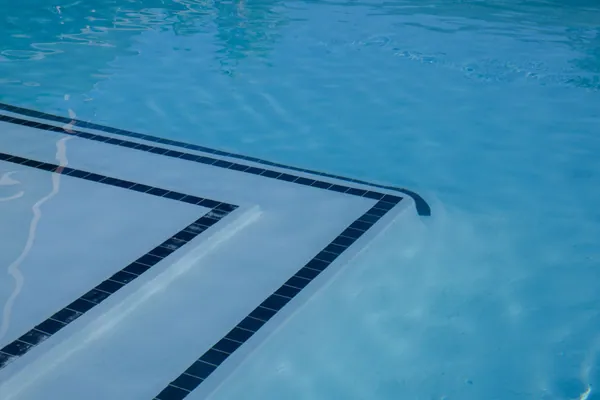
Brown walls from soot need deep hard brushing; light scraping does nothing on this type of soiling.
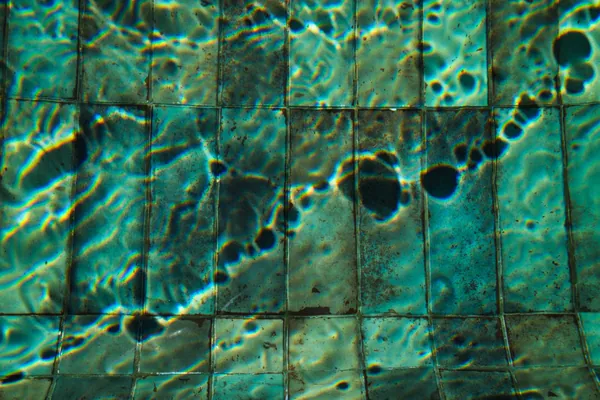
The floor is covered in heavy brown sediment; vacuuming needs more power than other areas.
Skimmers and baskets fill with heavy soot quickly, so we empty them more than once per visit.
The filter clogs very fast from heavy soot; we backwash carefully and watch pressure closely.
Chemical balance here needs very frequent testing because soot and metals shift the balance continuously.
pH, sanitiser and hardness are read at the start.
Floating leaves and debris come off before we brush.
Algae and the oily waterline film cling to the surfaces.
Silt settles in the deep end and the corners the return jets never reach.
The skimmer and pump baskets are cleared and the filter checked or backwashed.
With the water clean, we balance and dose, then walk the pool with you before leaving.
Al Quraiyat lies between the College of Telecommunications and Electronics to the west and King Khalid Road to the east, which defines how our team reaches the pool. Narrow lanes and crowded buildings mean we plan access carefully before arriving.
Reading the water first isn't optional to us.
The company runs a large crew, and we send a team rather than one person.
Pumps, vacuum heads and the test kit come with the team.
If the pump or the plumbing is the real problem, we tell you.
Photographs from real jobs carried out by the crew.












The commitment is simple enough to actually keep: we don't leave until you've seen the result and had your say on it.
South Jeddah runs from the port and the industrial city down towards Al Khumrah, and homes here sit between the sea and the heavy goods roads. The dust is darker and oilier than in the north, a mix of diesel soot and workshop grit, and it clings to net curtains, window sills and the tops of kitchen cupboards. Floors in the older low rise housing are often plain cement or ceramic tile that darkens where soot is walked in. Humidity from the coast adds mildew in bathrooms and a musty smell in stored fabrics.
We provide these in Al Quraiyat too, and more than one can share a single visit.



