
We test before we treat
Reading the water first isn't optional to us.
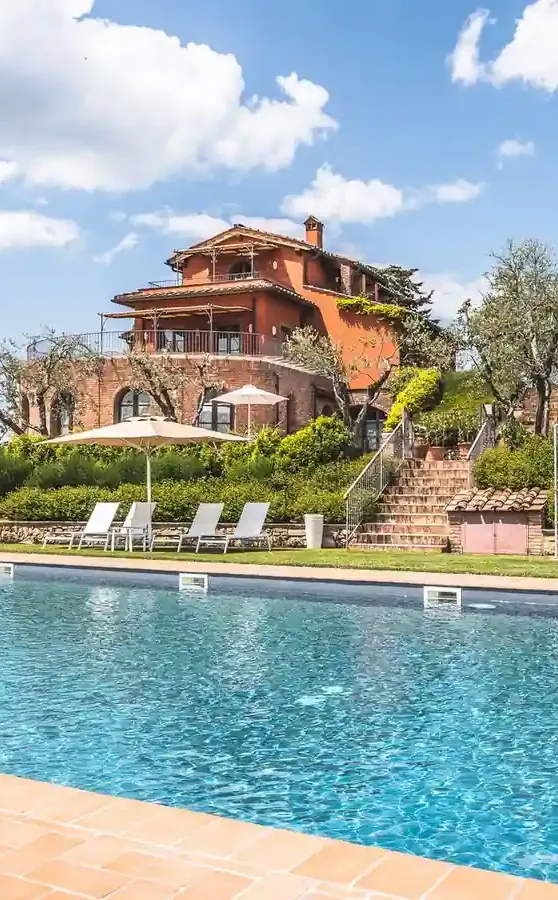
Al Muntazahat stretches along Old Makkah Road in south-eastern Jeddah, a mixed district holding villas, apartment blocks and commercial frontages. Pools here sit far from the sea and near hills and open ground, so the air is drier and the dust is coarser and lighter in colour than on the coast.
Pools here suffer from dry air that speeds evaporation and sediment buildup, and coarse dust causes rapid cloudiness requiring strong filtration and nearly daily adjustment rather than weekly schedules. For the method itself, see how we approach swimming pool cleaning.
East Jeddah is drier than the coast, so rapid evaporation raises salt, mineral and chlorine levels in the water. pH and alkalinity shift faster than in coastal neighbourhoods, and we may need adjustments every three days rather than weekly.
Hills and open ground around the district send coarse dust rather than fine sand. Dust penetrates the filter quickly and causes constant cloudiness if not treated daily. Water may look grey rather than green, and daily testing is sometimes necessary.
Water from roof tanks in eastern neighbourhoods carries heavy mineral deposits. These settle in the pool and coat walls and floor with a grey film. Brushing and vacuuming must be frequent, and water may need partial replacement.
An eastern district far from the sea and close to open ground and hills, the air is drier and dust is coarser and paler than on the coast, settling on surfaces and water rapidly.

Testing every three days is essential because rapid evaporation raises salt and mineral concentration faster than in other districts.
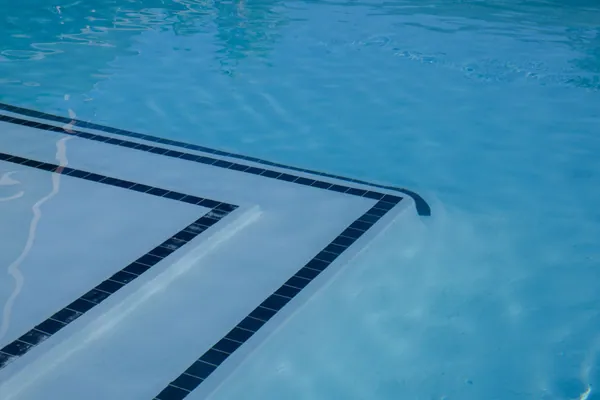
Brushing walls focuses on removing grey mineral deposits rather than green algae, and may need special cleaner.
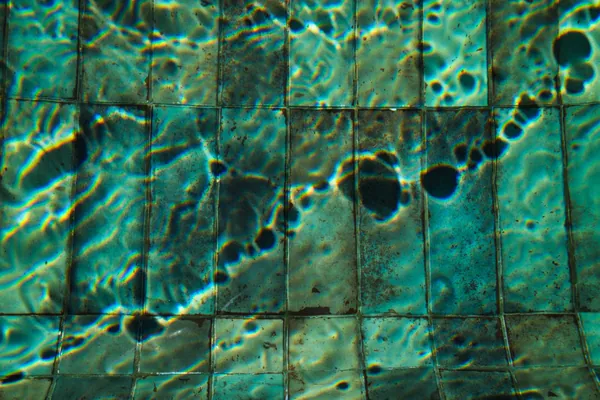
Vacuuming the floor is frequent because coarse dust and sediment settle quickly, and may be needed weekly instead of fortnightly.
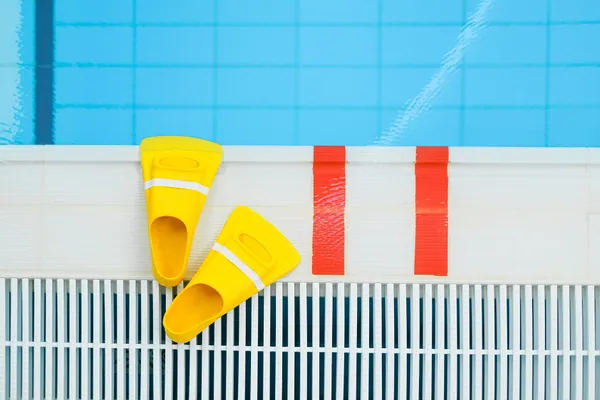
Cleaning skimmer and baskets daily or every two days because coarse dust accumulates faster than in coastal areas.

Filter backwashing weekly because coarse dust penetrates filters, and the work load is heavier than normal.
Chemical balance adjustment needs daily or every-other-day monitoring because evaporation and sediment shift water quickly.
pH, sanitiser and hardness are read at the start.
Floating leaves and debris come off before we brush.
Algae and the oily waterline film cling to the surfaces.
Silt settles in the deep end and the corners the return jets never reach.
The skimmer and pump baskets are cleared and the filter checked or backwashed.
With the water clean, we balance and dose, then walk the pool with you before leaving.
Reading the water first isn't optional to us.
The company runs a large crew, and we send a team rather than one person.
Pumps, vacuum heads and the test kit come with the team.
If the pump or the plumbing is the real problem, we tell you.
Photographs from real jobs carried out by the crew.












The commitment is simple enough to actually keep: we don't leave until you've seen the result and had your say on it.
East Jeddah lies furthest from the sea and closest to the open ground and hills beyond the ring roads, so the air is drier and the dust is coarser and paler than on the coast. It comes in under doors and settles on every flat surface overnight, making sofas, mattresses and curtains the heaviest part of the routine. Floors are mostly ceramic tile in the apartment districts and marble in the villa areas, both scratched by grit that is mopped rather than swept. Roof tank water leaves a grey film of sediment in baths and basins.
We provide these in Al Muntazahat too, and more than one can share a single visit.



