
We test before we treat
Reading the water first isn't optional to us.
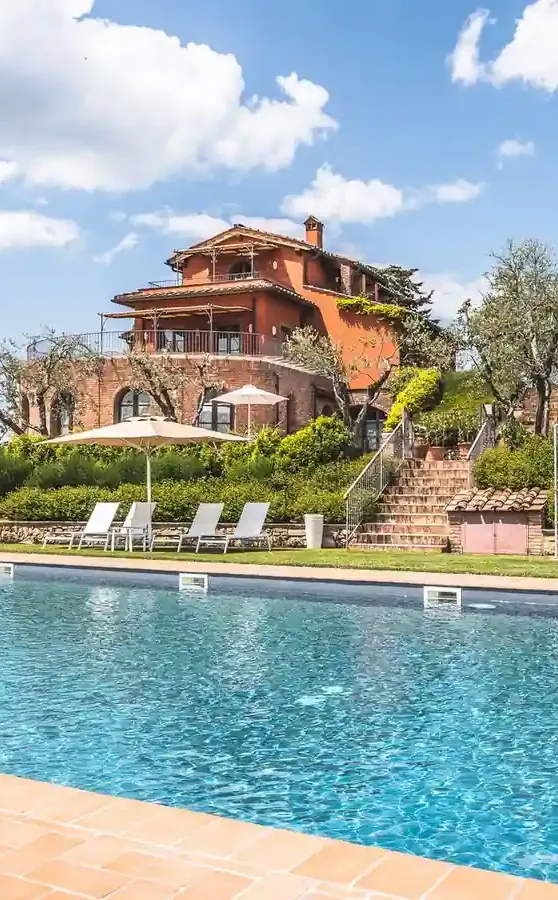
Al Mahamid is an unplanned low-rise neighbourhood on Jeddah's eastern edge beside Old Makkah Road, with some unpaved streets and old damaged drainage networks. Pools here are scarce and mostly old or slated for redevelopment, and water needs careful testing because basic services are weak and pollutants enter from multiple sources.
The few pools that exist here are often neglected, and water arrives in severe states of cloudiness that may require complete draining and fresh filling before any chemical treatment. For the method itself, see our guide to swimming pool cleaning.
Old drainage networks are broken and leak contaminated groundwater. Pools near sewer lines receive seepage from below, and water carries bacteria and organic pollutants. Cleaning must be aggressive and chemical treatment must be strong.
Some streets are still unsealed, and traffic raises huge clouds of dust and earth. Pools on these roads foul at terrifying speed, and water looks brown or grey instead of blue. The filter clogs every three days and may need daily backwashing in harsh conditions.
Neglected pools over time become foul ponds. Water turns black or brown, and the floor is covered in thick mud and algae layers. Complete draining and mechanical cleaning may be needed before fresh water and treatment can begin.
An informal eastern neighbourhood with some earth roads and old broken sewer lines, baseline water quality is poor and pollution enters from both drainage and the wet ground beneath.

Testing water first determines pollution level, and may show complete draining is necessary before any chemical treatment.
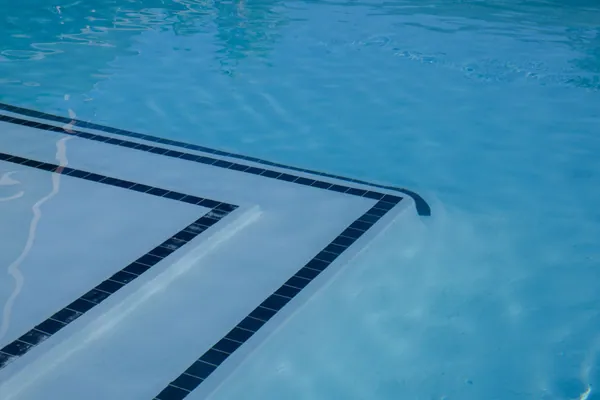
Brushing walls daily or every other day because dust and pollutants settle at terrifying speed from unpaved roads.
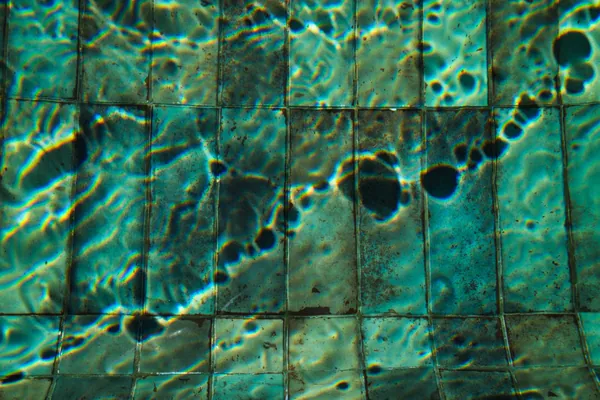
Vacuuming the floor daily in harsh cases, especially if seepage from sewage is happening or the floor is muddy.
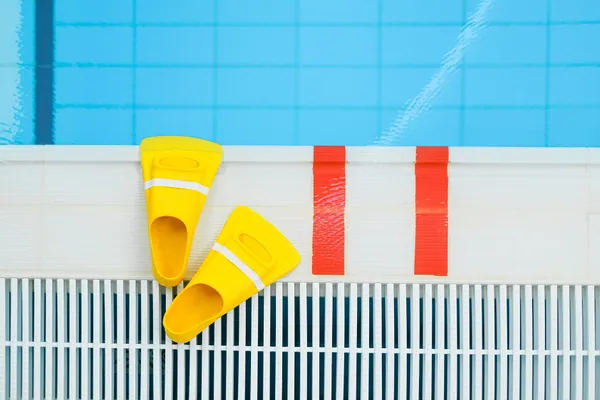
Cleaning skimmer and baskets daily because heavy pollutants enter constantly from air and wet ground.
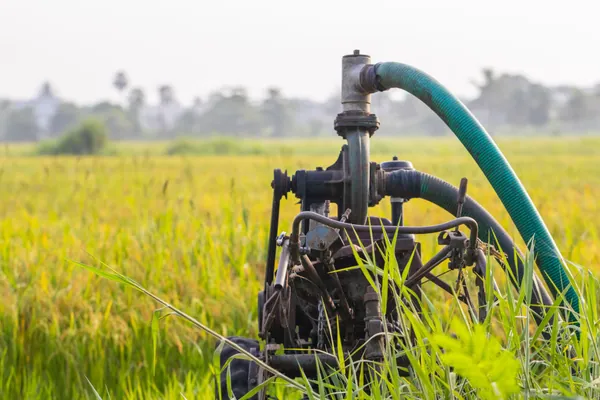
Filter backwashing every three days or more because of severe load from pollutants, soil and bacteria.
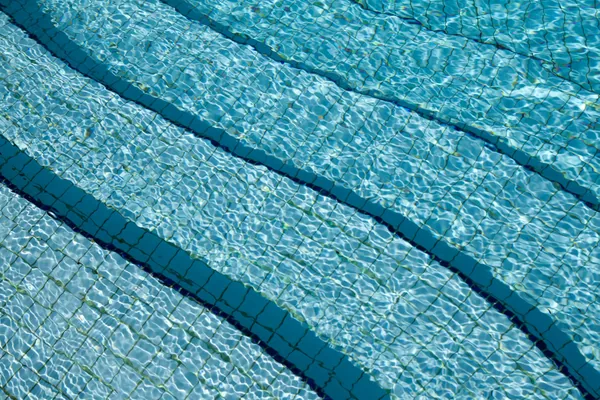
Chemical balance adjustment needs daily monitoring and much higher chlorine concentration than in clean neighbourhoods.
pH, sanitiser and hardness are read at the start.
Floating leaves and debris come off before we brush.
Algae and the oily waterline film cling to the surfaces.
Silt settles in the deep end and the corners the return jets never reach.
The skimmer and pump baskets are cleared and the filter checked or backwashed.
With the water clean, we balance and dose, then walk the pool with you before leaving.
Mixed district: shops at street level with homes above them
Pools in an unplanned neighbourhood with weak services need strong and very frequent maintenance, and water may need treatment completely different, focused on bacterial and organic pollutants rather than simple algae or cloudiness.
Reading the water first isn't optional to us.
The company runs a large crew, and we send a team rather than one person.
Pumps, vacuum heads and the test kit come with the team.
If the pump or the plumbing is the real problem, we tell you.
Photographs from real jobs carried out by the crew.












The commitment is simple enough to actually keep: we don't leave until you've seen the result and had your say on it.
East Jeddah lies furthest from the sea and closest to the open ground and hills beyond the ring roads, so the air is drier and the dust is coarser and paler than on the coast. It comes in under doors and settles on every flat surface overnight, making sofas, mattresses and curtains the heaviest part of the routine. Floors are mostly ceramic tile in the apartment districts and marble in the villa areas, both scratched by grit that is mopped rather than swept. Roof tank water leaves a grey film of sediment in baths and basins.
We provide these in Al Mahamid too, and more than one can share a single visit.



